Activist Daniel Friedman's Tweet on Gazan Intelligence Sparks Outcry
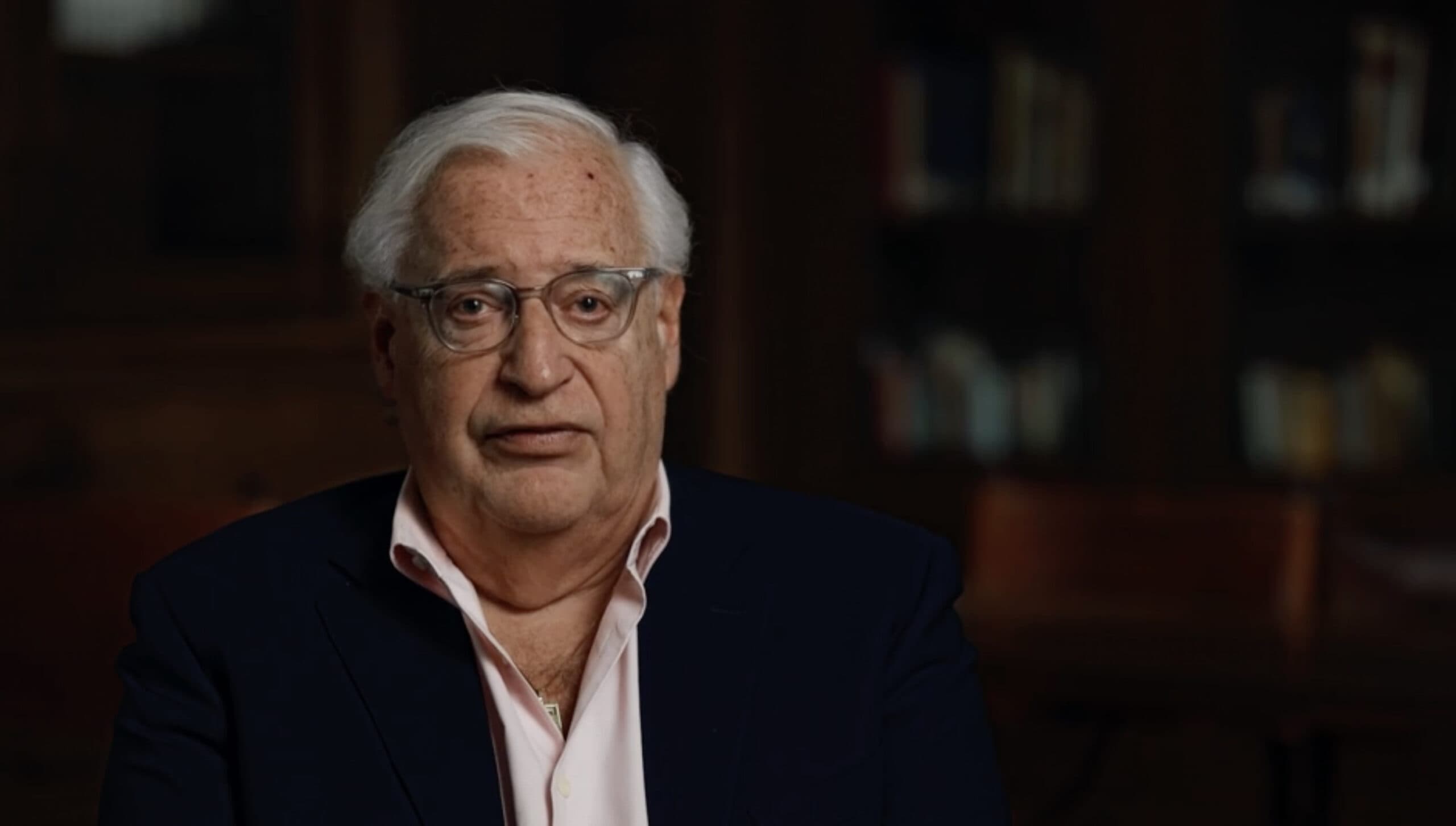
South African writer and activist Daniel Friedman has ignited significant controversy with a recent social media post containing derogatory language and unsubstantiated claims regarding the intelligence of Gazans. Posted on November 27, 2025, Friedman's tweet stated, "> People say that it can’t possibly be true that the IQ of the median Gazan is 68. But this retard is a high-ranking Hamas doctor, and he fell for this." The post included a link to an unspecified external source, but did not provide verifiable details about the "Hamas doctor" mentioned.
Friedman, previously known as musical comedian "Deep Fried Man," has transitioned into a prominent role as an anti-Zionist activist and journalist. He is actively involved with organizations such as South African Jews for a Free Palestine and Global Jews for Palestine, frequently using social media to express his strong views on the Israeli-Palestinian conflict. His public commentary often generates debate and scrutiny due to its provocative nature and direct challenges to prevailing narratives.
The scientific community widely rejects claims of inherent intellectual differences between racial or ethnic groups, categorizing such assertions as pseudoscientific. Leading geneticists, biologists, and anthropologists affirm that race is a social construct, not a biological one, and that genetics does not explain differences in IQ test performance between groups. Instead, observed variations in cognitive test scores are primarily attributable to environmental factors, including socioeconomic status, access to quality education, nutrition, and healthcare.
Historically, claims of group-based intellectual inferiority have been used to justify discrimination, colonialism, and racism, lacking empirical support from modern scientific inquiry. The assertion of a specific median IQ for an entire population, particularly one experiencing ongoing conflict and humanitarian challenges, is considered scientifically unfounded and ethically problematic. Experts emphasize that IQ tests are culturally biased and do not accurately measure diverse forms of intelligence across different societies.
Friedman's tweet, which also employed a derogatory term, has drawn widespread criticism for contributing to harmful stereotypes and misinformation. Such generalizations can exacerbate tensions, dehumanize populations, and fuel prejudice, particularly in sensitive geopolitical contexts like Gaza. The incident underscores ongoing concerns about the spread of unsubstantiated claims and the impact of inflammatory rhetoric on public discourse, highlighting the critical need for factual accuracy and ethical communication from public figures.