AI Models Achieve State-of-the-Art in Image Modification and Relighting, Tackling Video Flicker
Recent advancements in artificial intelligence are pushing the boundaries of image modification and relighting, with new models demonstrating "state-of-the-art" capabilities. A.I.Warper, a notable observer in the field, recently commented on a new technology, stating, "> This looks really great. Likely a ton of flicker for video frames but if you are just relighting or doing image modification.. this looks to be SOTA." This assessment underscores the significant progress in visual AI, even as challenges like video frame flicker persist.
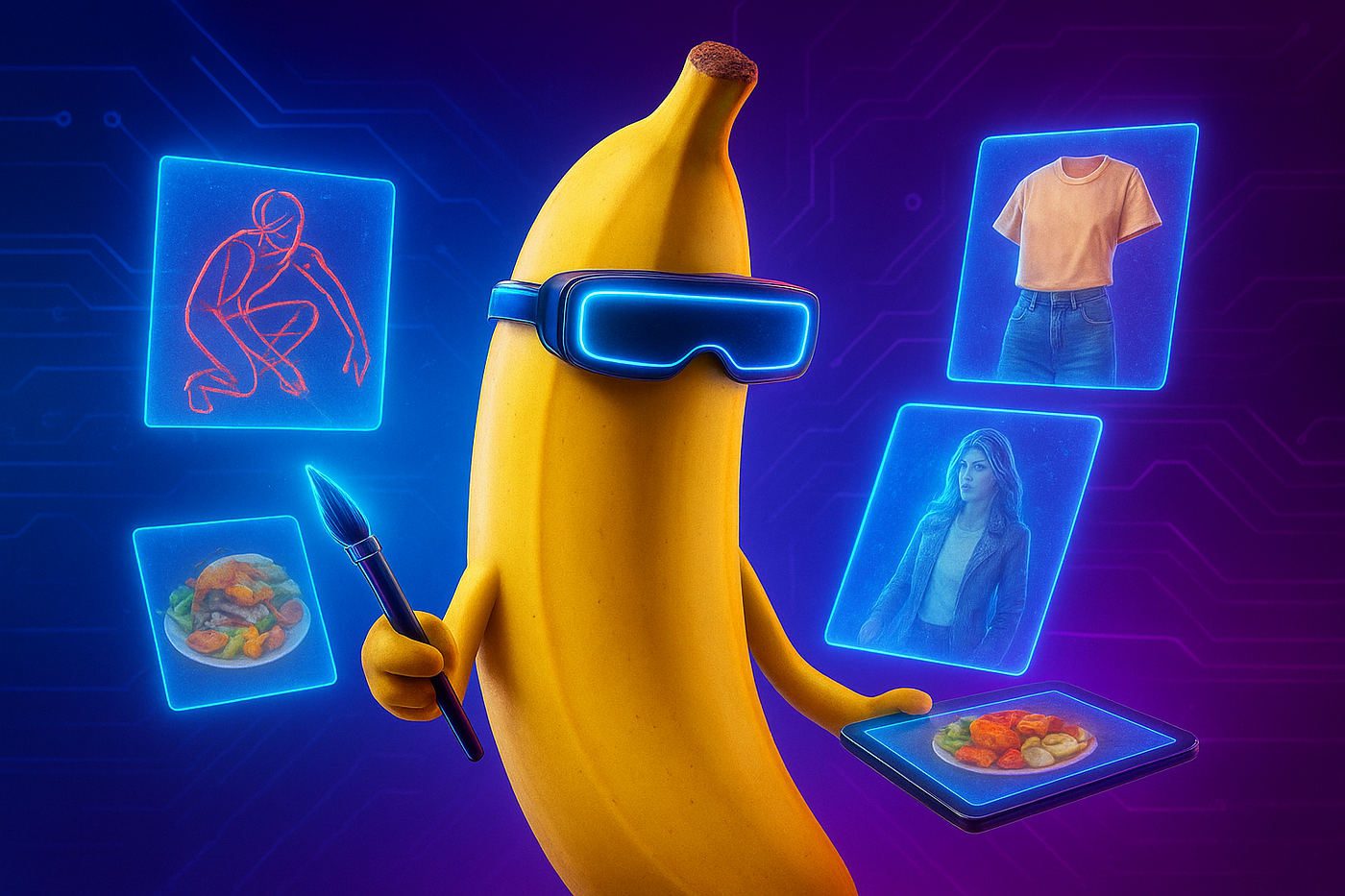
Leading the charge in image modification, Google's Nano Banana, officially known as Gemini 2.5 Flash Image and its Pro version, is dominating the AI image editing landscape in 2025. According to Analytics Insight, Nano Banana is recognized for its "unmatched character consistency," "lightning-fast processing," and "superior scene blending." These features enable users to perform complex edits, such as swapping backgrounds or changing outfits, with remarkable precision and speed.
In the realm of relighting, NVIDIA's UniRelight is making strides towards high-quality, consistent results. Research from NVIDIA highlights UniRelight's ability to perform "high-quality relighting and intrinsic decomposition from a single input image or video, producing temporally consistent shadows, reflections, and transparency." This development directly addresses the challenge of maintaining visual coherence across video frames, a critical aspect noted by A.I.Warper.
The broader landscape of generative AI also sees formidable contenders like FLUX.1 and Stable Diffusion 3.5 Large, which continue to advance photorealism and prompt adherence. These models, as detailed by HiringNet, showcase diverse architectures and impressive performance metrics, contributing to a rapidly evolving and competitive industry. The continuous innovation across various platforms signifies a robust drive towards more sophisticated and user-friendly AI tools.
Despite these breakthroughs, the issue of "flicker for video frames" remains a known hurdle for advanced AI image and video manipulation. While models excel in static image contexts, ensuring temporal consistency in dynamic video sequences requires specialized solutions like those offered by UniRelight. Researchers are actively working to minimize these artifacts, aiming for seamless integration of AI-generated elements into video content.
The rapid evolution of these AI technologies promises transformative potential across creative industries, from content creation to product design. As developers continue to refine models and address existing limitations, the capabilities for realistic image modification and dynamic relighting are set to become even more sophisticated and accessible. The industry is poised for further advancements that will overcome current technical challenges, making these tools indispensable.