AI's Rise Prompts Debate on Traditional Education's Efficacy
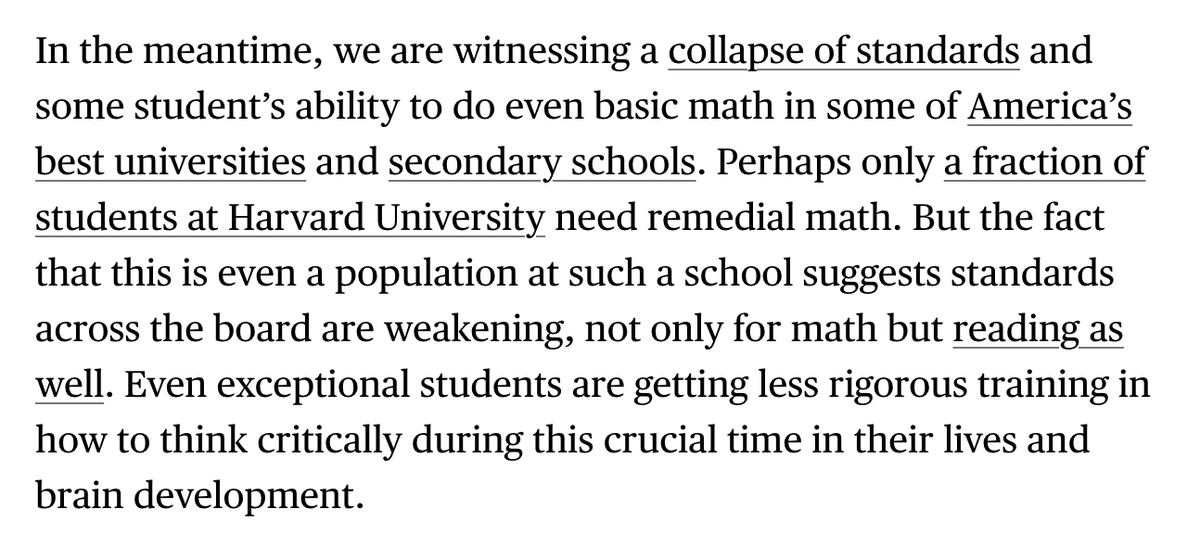
The increasing prominence of artificial intelligence (AI) is sparking a critical re-evaluation of traditional educational models, with some experts questioning the value of conventional schooling in preparing students for a rapidly evolving job market. Nick Dobos, a prominent AI developer known for creating the programming GPT Grimoire, recently highlighted this growing concern, suggesting a potential "huge gap in motivation" between traditionally educated students and self-taught individuals leveraging AI.
Dobos, a former iOS developer at Twitter and an active voice in the AI community, articulated his perspective on social media, stating, > "Schools becoming useless at the same time AI pops off is going to create a huge gap in motivation. Would you hire a student stuck in BS classes teaching them the bare minimum just to get certified. Or someone who pursued it via the internet & the actual resources available." His tweet underscores a sentiment that traditional curricula may not be adequately equipping students with the practical skills demanded by an AI-driven economy.
The debate centers on whether current educational systems, often criticized for their slow adaptation, can keep pace with the rapid advancements in AI and technology. Critics argue that conventional schooling, with its emphasis on standardized certifications and theoretical knowledge, risks falling behind the practical, skill-based learning facilitated by online resources and AI tools. This shift could lead employers to prioritize candidates with demonstrable, self-acquired expertise over those with traditional academic credentials.
Educational institutions are grappling with the challenge of integrating AI into their teaching methodologies and updating curricula to foster relevant skills. The rise of AI-powered learning platforms and readily available online courses offers alternative pathways for individuals to gain specialized knowledge and practical experience, potentially bypassing the traditional academic route. This trend suggests a future where continuous, self-directed learning, often augmented by AI, could become a more valued asset in the professional landscape than formal degrees alone.