Alice Evans Criticizes Western Feminists for Global Ignorance
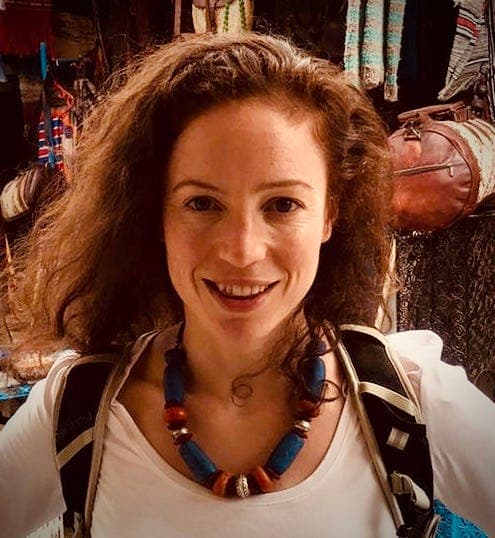
Alice Evans, a prominent social scientist and author, has publicly critiqued what she describes as the "ignorance and willfully dismissive" attitudes of Western feminists regarding gender relations in other parts of the world. In a recent social media post, Evans stated, "> We all tend to be a little parochial - immersed in our norms and environments, blinkered to global differences. This is such a good example of Western feminists being both ignorant and willfully dismissive about what gender relations may be like elsewhere." The comment, which tagged journalist Julia Ioffe, highlights a recurring theme in Evans's work on global gender dynamics.
Evans, known for her research on "The Great Gender Divergence," argues that while many parts of the world have seen improvements in women's status, the pathways and challenges to gender equality vary significantly across cultures. Her work emphasizes that economic growth, technological advancements, and cultural norms all play crucial roles in shaping gender relations, often in ways that differ from Western experiences. She points out that a one-size-fits-all approach to feminism can overlook these complex realities.
A key aspect of Evans's analysis is the concept of "hostile sexism," particularly among young men in some regions. She suggests that in economically developed and culturally liberal countries, young men may express resentment over perceived threats to their status, fueled by factors like increased competition for top university places, rising housing costs, and women's growing economic independence. This can lead to a "gender divergence" in political and social views, where young men become more conservative while young women become more progressive.
Evans also highlights the impact of social media on this polarization, noting that it can create echo chambers that reinforce existing biases rather than fostering empathy or understanding across different gender perspectives. She suggests that while social media theoretically offers a platform for diverse viewpoints, users often self-select into communities that confirm their priors, exacerbating divides. Her research underscores the importance of understanding specific cultural contexts when discussing global gender equality.