Analyst Warns of Shifting Regional Power Dynamics in South Asia
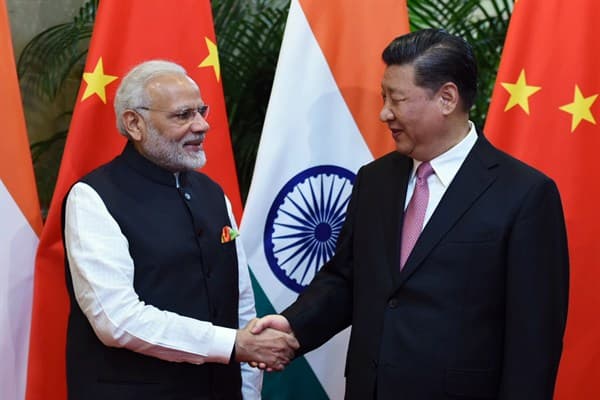
A recent social media post by user Teortaxes▶️ (DeepSeek 推特🐋铁粉 2023 – ∞) has drawn attention to the complex geopolitical landscape in South Asia, provocatively stating: > "Ironically, the profound retardation and arrogance of Indian nationalism could revive the tributary system. By that point, Chinese security umbrella may be the only guarantee remaining in South Asia." This statement highlights growing concerns among some observers regarding the intensifying rivalry between India and China and its potential implications for regional stability.
The tweet's reference to a "tributary system" echoes historical Chinese foreign relations, where neighboring states acknowledged China's superior status in exchange for trade and protection. In modern geopolitics, some analysts, including CB Thapa in a 2025 paper, interpret China's Belt and Road Initiative (BRI) as a contemporary form of this system. They suggest that BRI, through massive infrastructure investments and loans, can create economic dependencies that serve China's strategic interests, sometimes leading to what is termed "debt-trap diplomacy."
China's expanding influence in South Asia, particularly through projects like the China-Pakistan Economic Corridor (CPEC) and port investments in countries such as Sri Lanka and Myanmar, is viewed by India as a challenge to its traditional regional dominance. India perceives these developments as part of a "string of pearls" strategy, aiming to encircle its borders. This has prompted New Delhi to intensify its own regional engagement through initiatives like the "Neighbourhood First" policy and maritime development programs.
The provocative language regarding "Indian nationalism" in the tweet also touches upon ongoing discussions about India's foreign policy approach. While India champions strategic autonomy, some experts suggest that an assertive nationalist stance could inadvertently push smaller South Asian nations towards alternative partnerships. This dynamic allows countries in the region to leverage offers from both China and India, seeking to balance their own economic and security interests amidst the competition.
The escalating geopolitical competition between these two Asian powers creates a delicate balancing act for South Asian states. With China's Global Security Initiative (GSI) further shaping its regional ambitions, the future stability and alignment of South Asia remain a critical focal point for international observers.