Bashar al-Assad Granted Asylum in Russia Following December 2024 Ouster
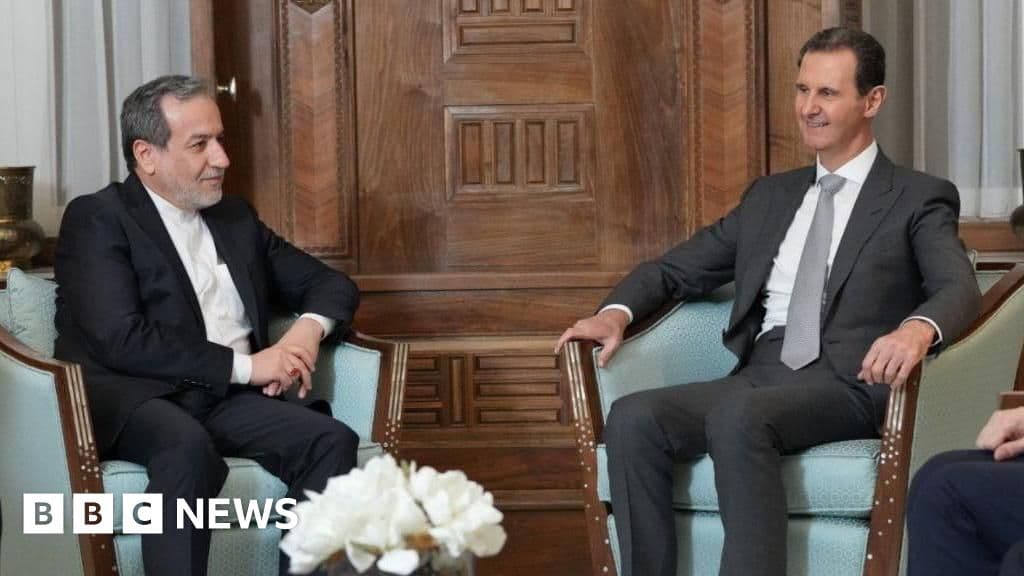
Bashar al-Assad, who led Syria for over two decades, resigned and was granted asylum in Russia in December 2024, marking a significant turning point in Syrian politics. His departure followed an offensive by opposition groups, including the former Hayat Tahrir al-Sham (HTS) and Turkish-backed Syrian National Army (SNA), which culminated in the capture of Damascus. The tweet, "Al-Assad’s looking for a bunkmate," posted on December 1, 2025, sarcastically reflects on his current status in exile.
Following Assad's resignation, an interim government was established in Syria, led by Ahmed al-Sharaa, the former leader of HTS. This new administration declared a constitutional framework in March 2025 and has focused on stabilizing the country, managing local governance, and initiating efforts to disarm and dissolve non-state armed groups. The United States notably removed its foreign terrorist organization designation from HTS in July 2025, signaling a shift in international perception.
The political transition has prompted a wave of diplomatic activity, with several nations re-engaging with Syria. Qatar and Turkiye have re-opened their embassies in Damascus, while a French diplomatic delegation has reestablished contact with the Syrian government. The European Union's envoy also arrived in Damascus to engage with the new leadership, and the UK formally established diplomatic ties in July 2025.
International sanctions against Syria have been progressively lifted throughout 2025, excluding those on military goods, chemical weapons, and individuals linked to the former Assad government. This move by the UK, EU, and US is expected to facilitate investment from Arab Gulf states into Syria's reconstruction efforts. The World Bank and International Monetary Fund have also begun re-engaging with the nation.
Assad's fall represents a strategic setback for Iran's "axis of resistance" and its allies like Hezbollah, as it disrupts a crucial land route from Iran to Lebanon. Russia, a staunch supporter of Assad, is negotiating with the interim government to retain its naval bases in Syria, with the new defense minister expressing openness to the idea if it benefits Syria. Meanwhile, Turkey, which backed the opposition, is seen as a primary beneficiary, with analysts suggesting potential normalization of relations and the return of Syrian refugees.