Ben Rhodes' "Hamas" Nickname Resurfaces Amid Concerns Over 2028 Democratic Platform Influence
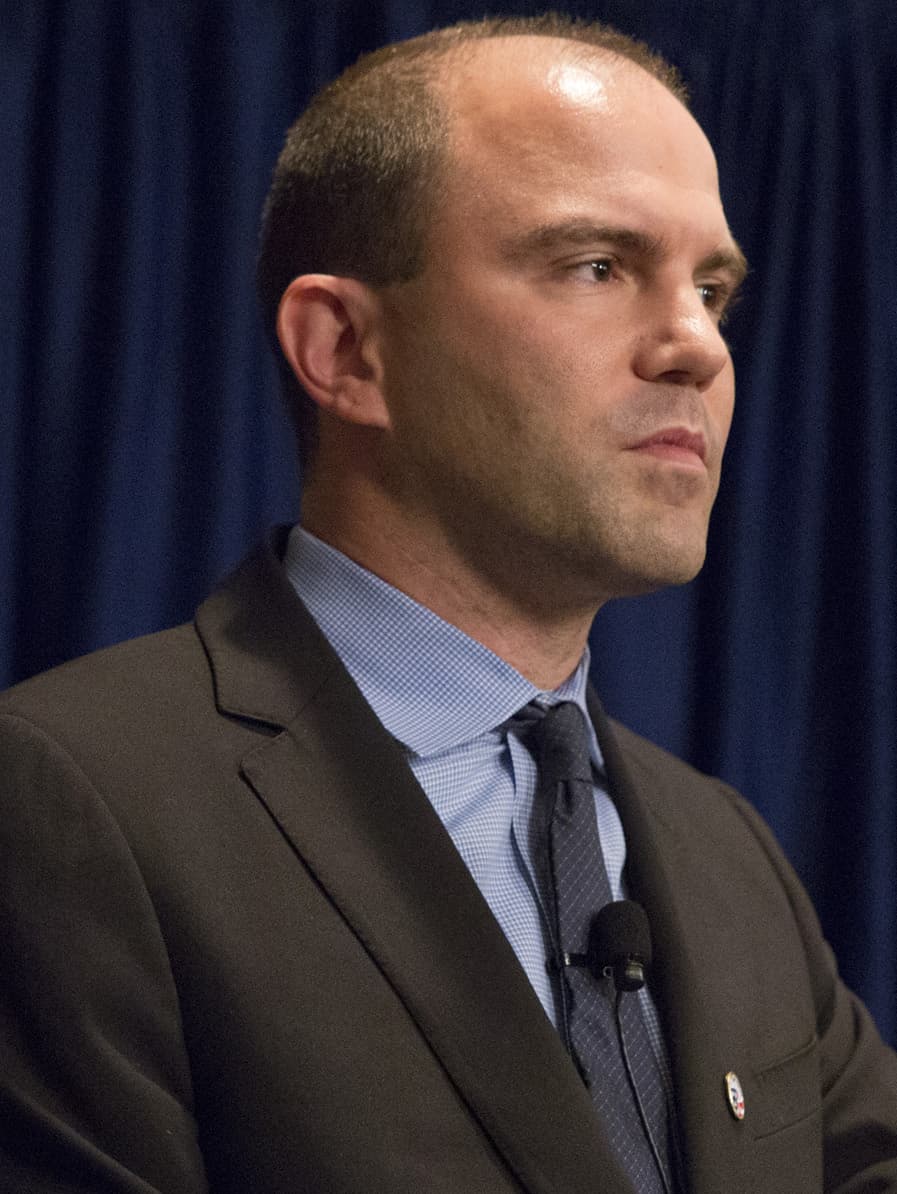
A recent social media post by Joel M. Petlin has drawn attention to former Obama White House official Ben Rhodes, alleging that his nickname within the administration was "Hamas." The tweet, which also expressed concern that Rhodes might be "providing the 2028 platform for the Democratic Party," has ignited discussion regarding his ongoing influence and foreign policy views.Rhodes, who served as Deputy National Security Advisor for Strategic Communications and Speechwriting under President Barack Obama, confirmed the "Hamas" moniker in his 2018 memoir, "The World As It Is." According to his account and subsequent reports, then-Chief of Staff Rahm Emanuel bestowed the nickname due to Rhodes' critical stance on Israel and his advocacy for Palestinian human rights during his tenure. Rhodes' memoir details his view that Israel was "driven by the settler movement" and that Prime Minister Benjamin Netanyahu used "political pressure within the United States to demoralize any meaningful push for peace."While Rhodes remains a prominent voice in foreign policy discussions, particularly through his work with National Security Action and as co-host of the "Pod Save the World" podcast, there is no direct evidence confirming his official role in drafting the Democratic Party's 2028 platform. His public commentary often critiques U.S. foreign policy, including recent administrations' approaches to the Israeli-Palestinian conflict. He has been a vocal critic of Israeli government actions and has expressed concerns about the humanitarian situation in Gaza.Rhodes continues to be an active political commentator and writer, frequently appearing on news outlets and contributing to publications like The New York Times and The Atlantic. His post-White House career has seen him advocate for a more progressive foreign policy approach, often contrasting with traditional Democratic stances on certain international issues. The renewed focus on his past nickname highlights the ongoing debate within the Democratic Party regarding its foreign policy direction, particularly concerning the Middle East.