Blockchain Privacy Extends Beyond Encryption, Encompassing System Design and User Behavior
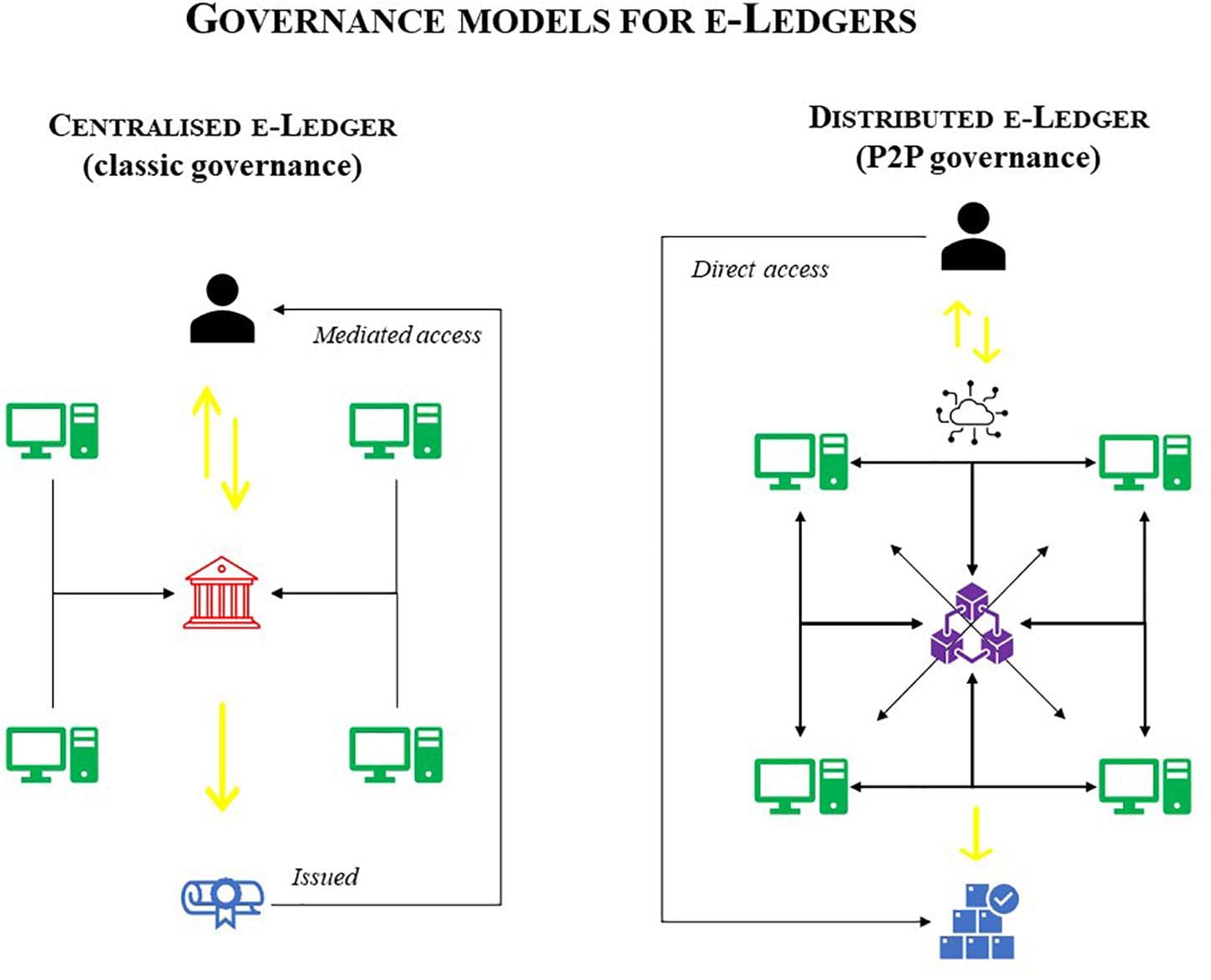
Blockchain privacy involves more than just data encryption, requiring a holistic approach that accounts for information leakage through a system's performance, structure, and user behavior. This comprehensive perspective was articulated by zmichelle, who stated in a recent social media post, "True blockchain privacy isn’t just about encrypting data, it’s about accounting for every way that information might escape, including through a system’s performance, structure, or user behavior." The statement underscores a critical evolution in understanding privacy within decentralized networks.
The inherent transparency of many public blockchains, such as Bitcoin, means that while user identities are pseudonymous, transaction details are visible on a public ledger. This transparency, while foundational for security and accountability, can compromise individual privacy as transaction patterns and wallet addresses can often be linked to real-world identities through forensic analysis. This challenge highlights that merely encrypting data at rest is insufficient to guarantee privacy in a dynamic, interconnected blockchain environment.
Privacy concerns are further compounded by network-level vulnerabilities and user interaction patterns. Information can escape through the analysis of network traffic, such as IP addresses, and by observing how users query the blockchain or interact with decentralized applications. Relying solely on external anonymity networks like Tor has proven to be an inadequate solution, as these networks can be susceptible to deanonymization attacks, censorship, and may not scale effectively for blockchain traffic.
Addressing these multifaceted privacy challenges necessitates advanced cryptographic solutions and innovative system designs. Technologies such as Zero-Knowledge Proofs (ZKPs), ring signatures, stealth addresses, and Private Information Retrieval (PIR) are being developed to enhance privacy by allowing transactions to be verified without revealing sensitive details or enabling users to query data without exposing their interests. The ongoing research focuses on integrating these privacy-preserving mechanisms directly into blockchain architectures, moving beyond simple data encryption to secure the entire interaction lifecycle within decentralized systems.