Buddhist Tantra's Imaginative Practices Offer 'Missing Pieces' for Western Dharma
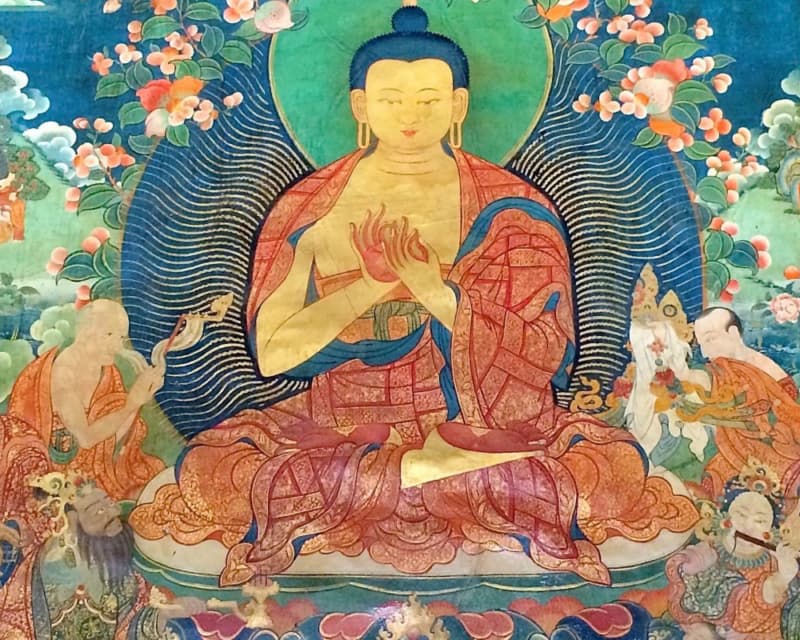
A recent social media post by an individual identified as Vacha has drawn attention to the profound role of imaginative practices within classical Buddhist tantra, suggesting these ancient methodologies could fill crucial gaps in Western dharma and psychology. The tweet highlights how significant portions of this tradition are 'largely engaged in practicing being enlightened in your imagination,' even detailing 'quite detailed imaginal protocols they offer for bedtime.' This perspective positions classical tantra as a potential source of unexplored wisdom for modern Western thought.
Classical Buddhist tantra, particularly within the Vajrayāna tradition, extensively utilizes visualization and imagination techniques, often referred to as deity yoga. Practitioners engage in intricate mental exercises to envision themselves as enlightened beings, embodying their qualities and wisdom. This process is not mere fantasy but a structured method of transforming one's perception and identity, aiming for rapid spiritual awakening.
The tweet suggests that these 'imaginal protocols' represent 'missing pieces of the puzzle for western dharma and psychology more generally.' This implies that Western approaches to spiritual development and mental well-being might benefit from integrating the sophisticated, centuries-old systems of consciousness transformation found in tantric Buddhism. These practices aim to reorganize consciousness, offering a path to profound self-transformation.
Vajrayāna Buddhism, or Mantrayāna, emphasizes esoteric practices and rituals, including mantras, mandalas, and the visualization of deities. These techniques are designed to transform ordinary experiences into spiritual paths, often engaging with aspects of desire and aversion in a ritualized context. The core method of deity yoga involves systematically dissolving one's ordinary identity and reconstructing it as a fully enlightened Buddha, not metaphorically but as a complete sensory experience.
The integration of such practices into Western psychology could offer new avenues for understanding and addressing mental states, moving beyond conventional therapeutic models. While Western psychology often focuses on managing or eliminating negative emotions, tantric practices aim to transform them into fuel for awakening. This ancient wisdom, therefore, presents a rich field for interdisciplinary exploration and potential innovation in contemporary psychological and spiritual frameworks.