Cannabis Legalization's Public Health Toll Outweighs Revenue Gains, Warns Addiction Psychiatrist
Boston, MA – Cannabis legalization, while generating substantial revenue, has come at a significant cost to public health, according to Dr. Kevin P. Hill, a prominent addiction psychiatrist and Associate Professor of Psychiatry at Harvard Medical School. Dr. Hill, known for his research and advocacy on cannabis policy, underscored this concern in a recent social media post, stating, "> #cannabis legalization has generated revenue at a cost to public #health."
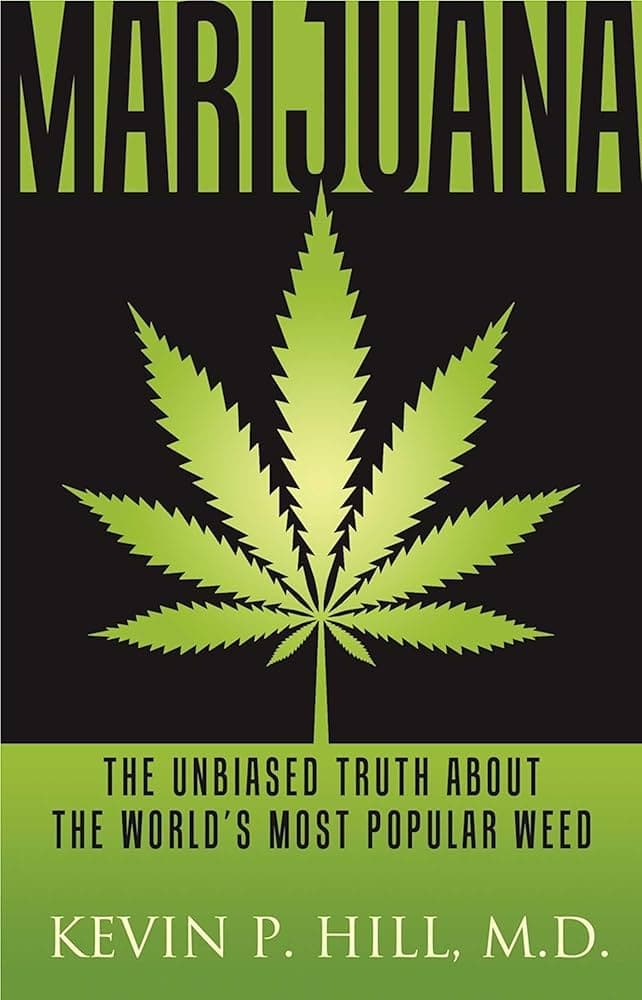
Dr. Hill, who directs the Division of Addiction Psychiatry at Beth Israel Deaconess Medical Center, has consistently highlighted the growing public health challenges accompanying the expansion of legal cannabis markets. His work, including books like "Marijuana: The Unbiased Truth about the World’s Most Popular Weed," emphasizes the need for evidence-based policy to mitigate risks. He points to the dramatic increase in tetrahydrocannabinol (THC) content in modern cannabis products, which has risen from 1-2% in past decades to over 13% currently, contributing to a higher risk of addiction and other health issues.
Recent data supports these concerns, indicating a rise in cannabis use disorders (CUDs) in states with legalized recreational marijuana. Studies show that up to 30-35% of adult users may develop CUDs, a significant increase from previous estimates. This surge is particularly alarming for vulnerable populations, including adolescents, for whom early and frequent cannabis use is linked to increased risks of mental health problems, cognitive impairment, and higher utilization of healthcare services in young adulthood.
The financial benefits of legalization are undeniable, with states collecting billions in tax revenue. For instance, California reported over $5.7 billion in cannabis tax revenue since 2018, and Colorado has accumulated over $2.6 billion since 2014. These funds are often allocated to public services, education, and infrastructure. However, Dr. Hill and other public health experts argue that these economic gains must be weighed against the escalating costs associated with increased addiction treatment, emergency room visits, and long-term health consequences.
The disparity between policy advancement and scientific understanding of cannabis's health impacts remains a critical issue. Dr. Hill advocates for greater investment in research to fully understand the long-term effects of high-potency cannabis and to develop effective prevention and treatment strategies. His stance urges policymakers to prioritize public health outcomes alongside economic benefits as cannabis legalization continues to spread across jurisdictions.