Conscientiousness 46% More Predictive of Academic Success Than Other Big Five Traits
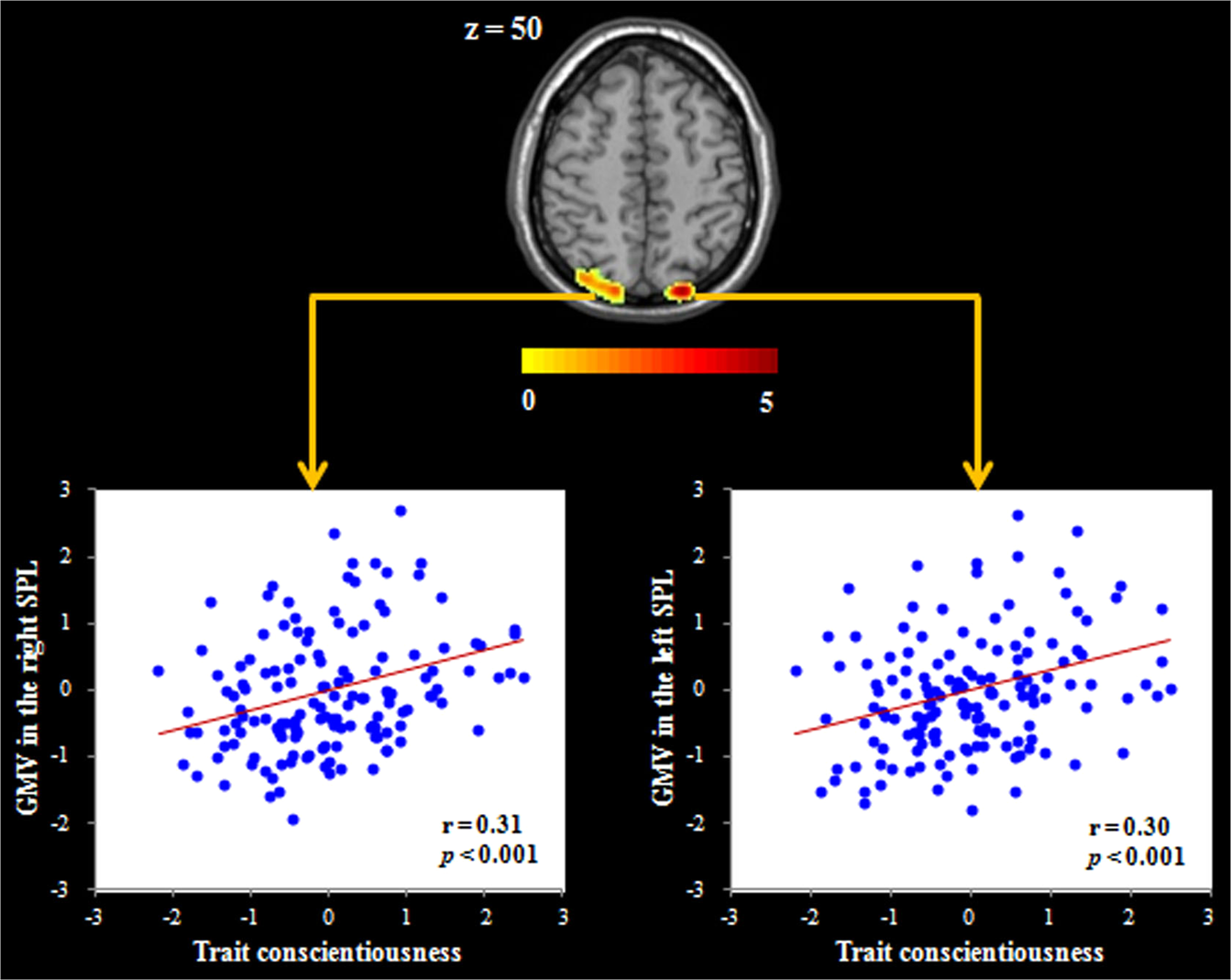
A recent comprehensive synthesis of over 50 meta-analyses has identified conscientiousness as the most significant personality trait in predicting academic performance. The study, published in the Journal of Personality, also highlighted the contributing roles of openness and agreeableness, offering deeper insights into the psychological factors influencing educational outcomes.
The findings stem from a quantitative aggregation of 54 meta-analyses, encompassing over 2,000 individual studies and more than 550,000 participants. As noted by Steve Stewart-Williams, "A synthesis of more than 50 meta-analyses found that conscientiousness is the standout personality predictor of academic performance, but that openness and agreeableness also play a role." This extensive review underscores the robust association between personality traits and various forms of performance.
Researchers Ethan Zell and Tara L. Lesick, authors of the primary study, found that conscientiousness exhibited an effect at least 46% larger than other Big Five traits (extraversion, agreeableness, neuroticism, and openness) in predicting overall performance. Specifically for academic performance, conscientiousness showed a stronger association (0.28) compared to its link with job performance (0.20). This suggests that qualities like self-control, diligence, planning, and sustained goal-directed behavior are particularly crucial in educational settings.
While conscientiousness emerged as the strongest predictor, the synthesis confirmed that openness and agreeableness also have positive, albeit smaller, associations with academic success. Openness to experience, characterized by intellectual curiosity and creativity, and agreeableness, involving cooperation and empathy, contribute to a student's ability to engage with learning and collaborate effectively. The study also revealed that the predictive power of personality traits can vary significantly depending on the specific performance category.