Cultural Divide in Education: Asian Emphasis on Student Ranking Contrasts with US Debate
A recent social media post by user "alz" has sparked renewed discussion on fundamental differences in educational philosophies, particularly concerning the role of student ranking between Asian and American contexts. The tweet highlighted a perceived cultural divergence, stating, "> On the one hand, growing up in Asia, it shocks me that a nontrivial fraction of Americans seem to honestly disagree with the basic premise that an important goal of education is to rank students, distinguishing the relatively good ones from the relatively not good ones." This observation underscores a long-standing debate about the primary objectives and methods within global educational systems.
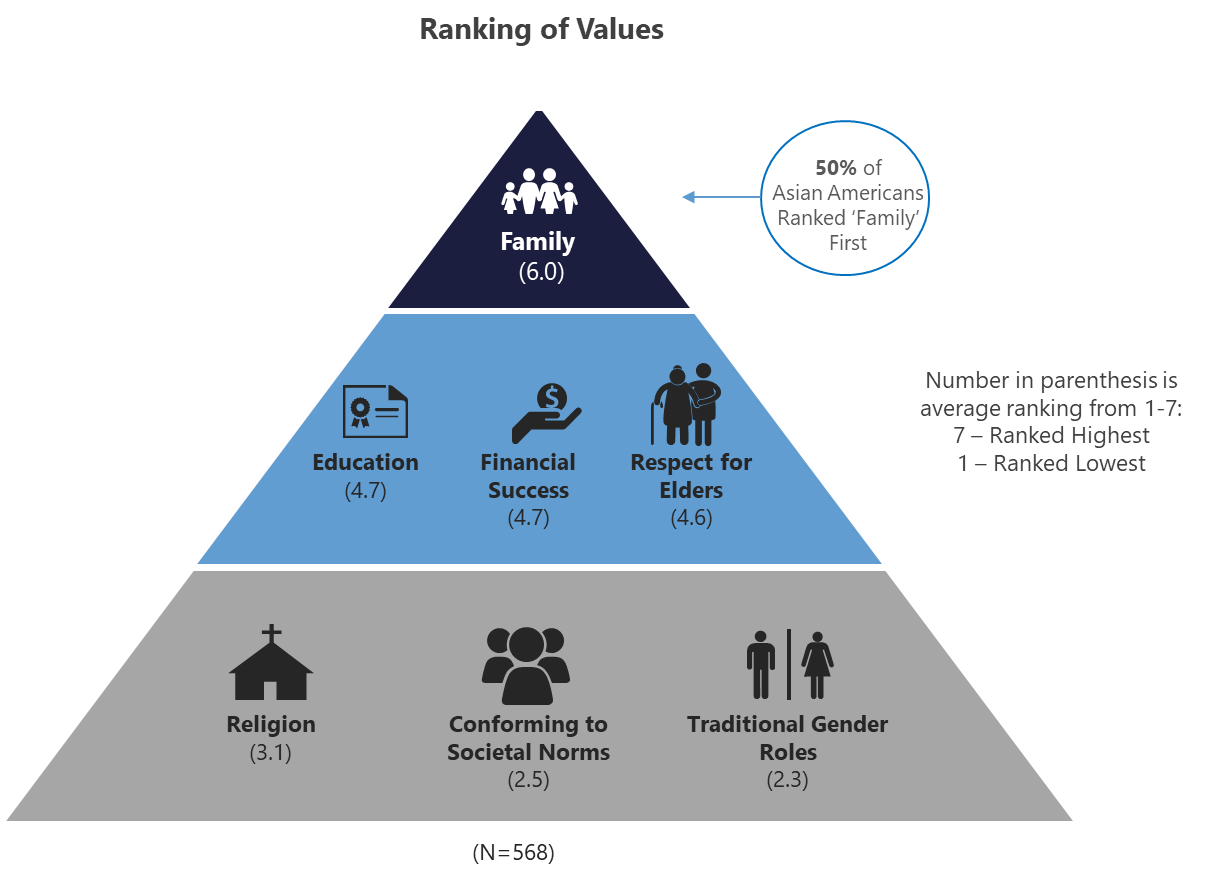
In many East Asian nations, including Singapore, South Korea, Japan, and China, education systems frequently emphasize rigorous academic competition and clear student differentiation through standardized testing and performance ranking. This approach is often rooted in a meritocratic philosophy, where academic achievement is viewed as a direct pathway to social mobility and economic success. Such systems are designed to identify and cultivate top talent, preparing students for highly competitive university admissions and career paths. International assessments like PISA and TIMSS often show students from these countries excelling in subjects such as mathematics and science, with Singapore consistently achieving high scores.
Conversely, educational discourse in the United States often includes significant debate about the merits and drawbacks of extensive student ranking. While academic achievement is valued, there's a growing emphasis on holistic development, critical thinking, and collaborative skills, sometimes prioritizing these over strict comparative ranking. Concerns are frequently raised about the potential negative impacts of constant ranking on student mental health, self-esteem, and the fostering of a narrow, test-driven curriculum. The US education system, while performing above the OECD average in reading literacy, often lags behind many developed nations in mathematics and science scores.
Experts suggest these differing views reflect broader cultural values and societal expectations regarding individual achievement versus collective well-being and diverse skill sets. The American educational landscape has seen movements towards more individualized learning paths and assessments that aim to reduce the pressure of single-metric evaluations. This contrasts with the more uniform, high-stakes examination cultures prevalent in parts of Asia, where a student's rank can significantly determine future opportunities.
The ongoing conversation, as prompted by "alz's" tweet, continues to highlight the complex interplay between cultural norms, educational goals, and the methods employed to prepare future generations. Both systems strive for excellence, but their pathways and definitions of success often diverge significantly, reflecting deep-seated societal values.