Dave McClure Endorses SPVs for Enhancing VC Liquidity and Follow-on Investments
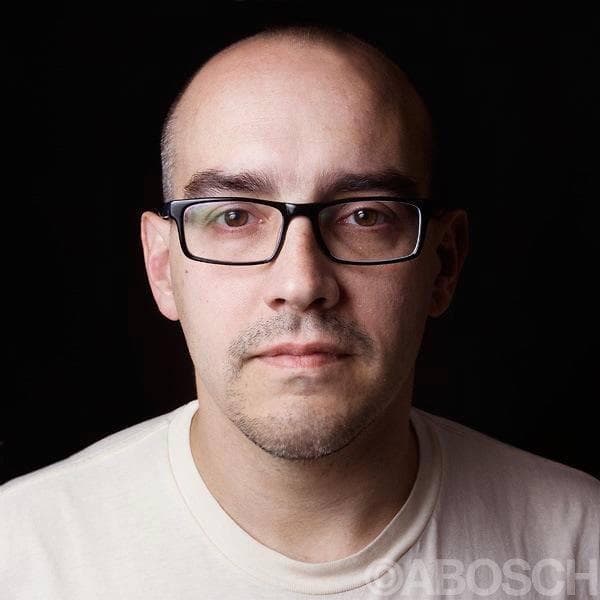
Venture capital veteran Dave McClure has voiced strong support for Special Purpose Vehicles (SPVs), highlighting their utility for fund and syndicate managers in navigating liquidity and follow-on investment opportunities. McClure, a co-host of the "trading places" podcast, shared his perspective during a recent discussion with Emily Zheng of PitchBook.
"SPVs might get a bad rap in some ways, but I think as a tool and a vehicle for fund managers and syndicate managers to handle liquidity and handle follow-on opportunities, I think it's really terrific," McClure stated on the podcast. His comments underscore a belief in the strategic advantages these entities offer within the venture ecosystem.
SPVs, typically structured as Limited Liability Companies (LLCs), are legal entities created for a single investment, pooling capital from multiple investors. They streamline cap tables by presenting a single entry for a startup, which is often favored by founders. This structure also facilitates group investing and provides limited liability for individual investors.
For lead investors, SPVs offer improved control over terms and voting rights, and they are particularly convenient for managing follow-on rounds. This mechanism enhances professionalism in syndicates and simplifies distributions during exit events. McClure's endorsement emphasizes their role in maintaining flexibility and efficiency in venture capital dealings.
Despite their benefits, SPVs are not without their critics. Concerns include setup costs, ongoing administrative burdens, and potential tax complexities. Recently, companies like OpenAI and Anthropic have expressed reservations about SPVs being used to circumvent transfer restrictions, and some market participants have noted unusually high fees associated with certain SPV offerings. Emily Zheng, a research writer at PitchBook, specializes in secondary markets and IPOs, providing a relevant backdrop to the discussion on SPV mechanics and their implications.