David Chavous's Tweet Prompts Historical Discussion on Global Slavery and U.S. Abolition
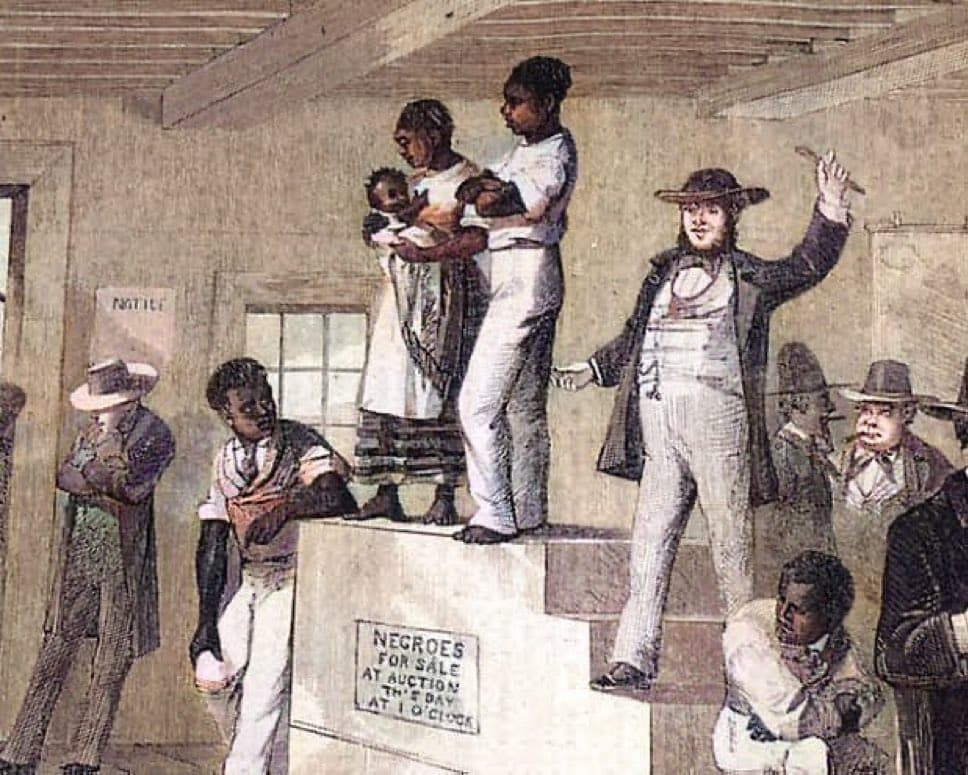
A recent social media post by conservative commentator David Chavous has sparked widespread discussion regarding the historical narratives surrounding slavery and its abolition. In a tweet, Chavous asserted contentious claims about the prevalence of slave ownership by non-European peoples throughout history and the role of "white people" in ending slavery in America. The tweet, which also contained a direct address, stated, > "The vast majority of the slaves owned since 1600 have been owned by non-European peoples. Also, America ended slavery because white people fought a war to end it. Yeah, 'white' people did horrible things. Just like every other race. You aren't the hero in this story, Ray."
Historically, slavery has been a pervasive institution across numerous civilizations and continents, extending far beyond European involvement. Records indicate that various non-European societies, including those in Africa, Asia, and indigenous Americas, practiced forms of chattel slavery, indentured servitude, and other systems of forced labor for millennia, often predating the transatlantic slave trade. These systems varied significantly in their nature, scale, and legal frameworks, demonstrating the global and complex history of human bondage.
The abolition of slavery in the United States was a pivotal outcome of the American Civil War (1861-1865), a conflict primarily fought between the Union states and the Confederate states over issues including states' rights and the institution of slavery. The Union, composed predominantly of white soldiers but also including nearly 200,000 Black soldiers and sailors, ultimately defeated the Confederacy, leading to the Emancipation Proclamation in 1863 and the subsequent passage of the 13th Amendment in 1865, which formally abolished slavery nationwide. The motivations and efforts of diverse groups, including enslaved people themselves, abolitionists, and political leaders, contributed to this outcome.
Chavous, known for his conservative commentary, often engages in public discourse on topics of race, history, and social issues. His tweet highlights ongoing debates about how historical events, particularly those as sensitive as slavery, are interpreted and attributed in contemporary society. Historians generally emphasize the multifaceted nature of slavery, acknowledging its global presence and the complex roles various groups played both in its perpetuation and its eventual dismantling, cautioning against oversimplified or racially reductionist narratives.