Deepfake Technology Fuels 80% of 2024 Phishing Campaigns, Escalating Digital Deception
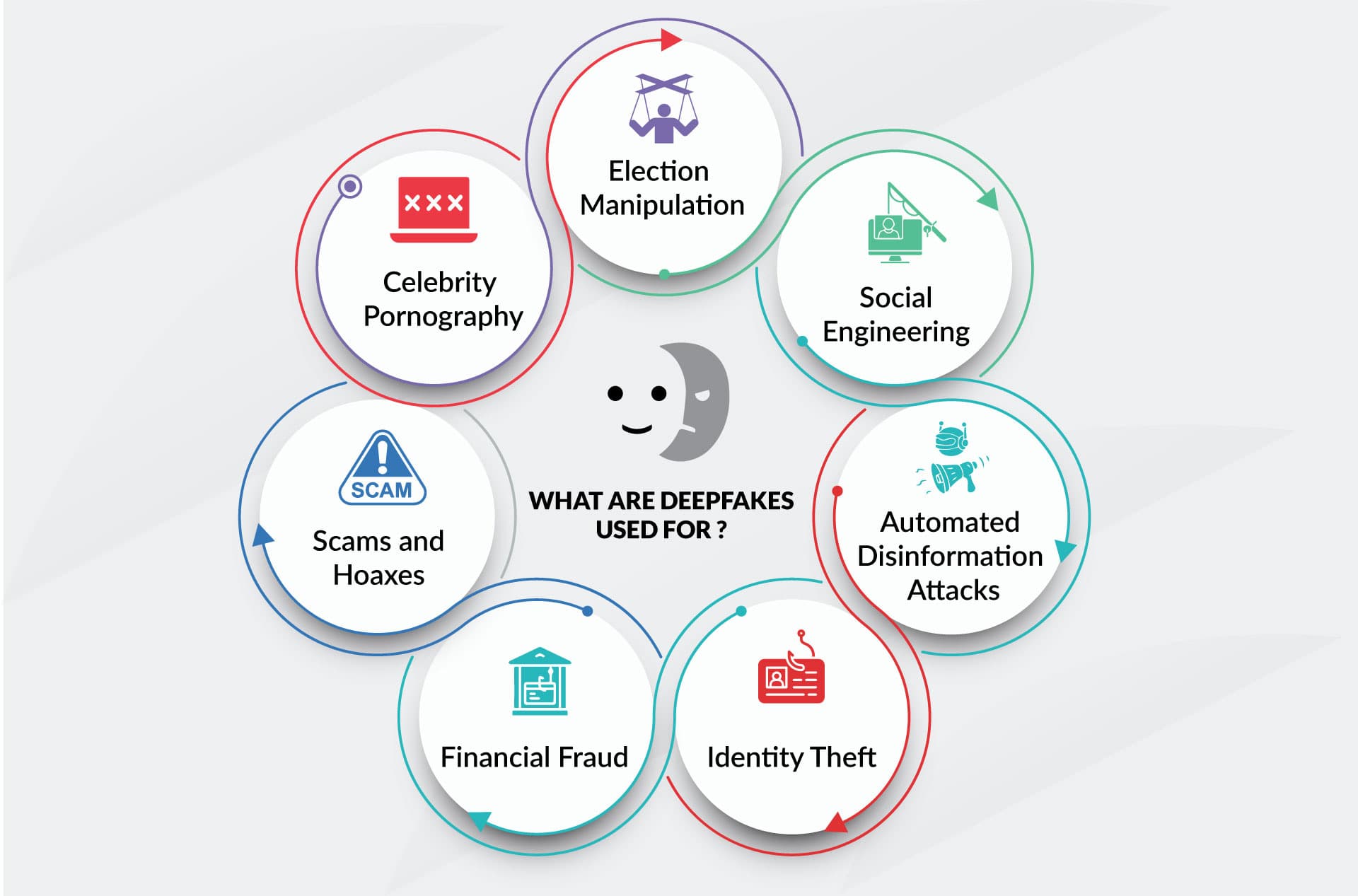
The proliferation of sophisticated deepfake technology is increasingly blurring the lines between reality and fabrication, posing a significant challenge to digital trust. As noted by Pete Weishaupt, the "Deepfake Dilemma" highlights how "Digital Deception Forges Facts," underscoring the growing difficulty in discerning authentic content from AI-generated forgeries. This crisis of perception extends across various sectors, from finance to politics, demanding urgent attention.
Deepfakes, hyper-realistic synthetic media generated by artificial intelligence and deep learning algorithms like Generative Adversarial Networks (GANs), have evolved rapidly. These tools can convincingly mimic voices, facial expressions, and gestures, making them potent instruments for deception. Cybersecurity experts reveal that AI-driven deepfakes were exploited in 80% of phishing campaigns in 2024, indicating a widespread integration of this technology into cybercrime.
The impact of this digital deception is far-reaching, with numerous instances of misuse emerging globally. In one notable case, a finance worker was tricked into initiating a $25 million payment to fraudsters who used deepfake technology to impersonate a company's chief financial officer during a video conference. India's Finance Minister Nirmala Sitharaman also reported encountering several deepfake videos of herself circulated online, manipulated to mislead citizens and distort facts, highlighting the threat to public figures and democratic processes.
Combating the deepfake threat requires a multi-faceted approach, including advanced detection tools and enhanced digital literacy. While AI detection tools are emerging to identify inconsistencies in synthetic media, experts emphasize that human vigilance and education are paramount. Governments and organizations are pushing for stronger authentication processes, regulatory frameworks, and public awareness campaigns to help individuals and businesses navigate an increasingly deceptive digital landscape.