Digital Artist Showcases Custom AI Animation Workflow Using Morphic, Emphasizing Manual Refinement
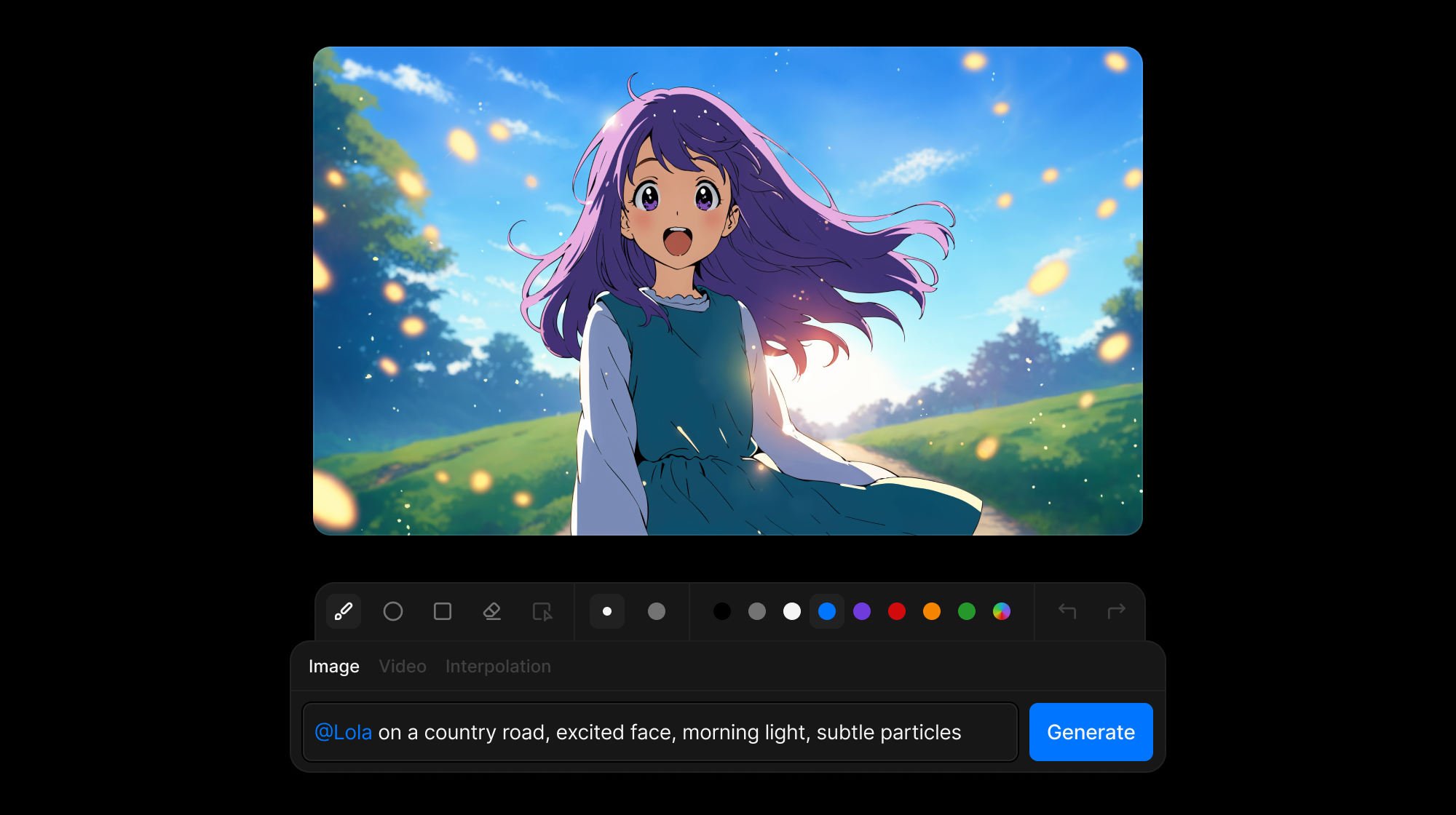
A digital artist has recently shared a detailed animation workflow utilizing the artificial intelligence platform Morphic, highlighting a blend of AI-driven generation and meticulous manual post-production. The artist, identified by the handle 4861, posted their animation output on social media, detailing a multi-step process that included converting an image to video, animating sequences, and exporting frames for consistency adjustments.
The workflow began with the conversion of a static image into a dynamic video using Morphic's capabilities, employing "custom creativity and resemblance parameters," according to the artist's tweet. Morphic, an AI-powered studio, is designed to streamline animation and video creation, offering features like image-to-video transformation, character animation, and frame interpolation. The platform aims to provide creators with extensive control over their generations, enabling efficient production workflows.
Following the initial video generation, the artist animated the sequence and then exported it as individual frames. A crucial step in their custom process involved "cleaning the frames up manually for consistency," indicating that even with advanced AI tools, human intervention remains vital for achieving desired artistic quality and coherence. The artist also noted a specific manual adjustment: "PS : I flipped the background."
Morphic Studio, developed by Morphic, Inc., positions itself as a comprehensive solution for filmmakers, animators, and game designers, automating repetitive tasks such as in-betweening and character rigging to reduce production time. The platform's features include generating images and adding motion, with tools for precise editing, object selection, and upscaling. It also offers "Style Models" to help maintain visual consistency across projects, suggesting a continuous evolution in AI's ability to support artistic integrity.
This custom workflow exemplifies a growing trend in creative industries where artists leverage AI tools to accelerate initial production phases while retaining critical manual control over refinement and artistic direction. The integration of AI platforms like Morphic with traditional post-production techniques allows creators to push boundaries while ensuring the final output aligns with their specific vision.