Dragon Quest's Cross-to-Trident Art Alterations Highlighted in US Localization History
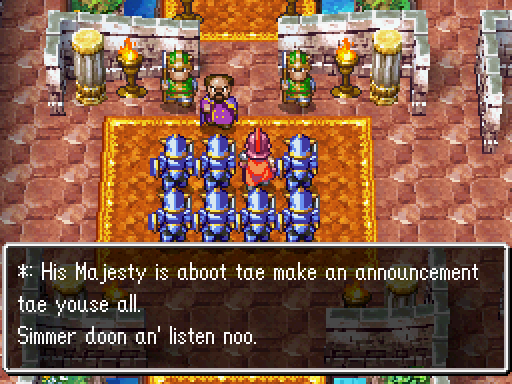
A recent social media post by user SuperSisi has drawn attention to a long-standing practice in the localization of the popular Japanese role-playing game series, Dragon Quest. The tweet specifically noted that "Changes made by the USA to Akira Toriyama’s Dragon Quest art turned the Christian symbols into trident forks," referencing alterations made to religious iconography in the game's Western releases. This practice dates back decades, reflecting a historical trend of adapting content for international audiences.Historically, the localization of Dragon Quest (originally released as Dragon Warrior in North America) involved significant changes, particularly regarding religious elements. Early versions of the game in Japan featured overt Christian symbols, such as crosses, and references to "God." However, in their North American releases, these symbols were frequently modified or replaced. The Christian cross, for instance, was often redesigned into a trident-like emblem, and mentions of "God" were typically changed to "Goddess" or "the Almighty" to avoid specific religious connotations.These alterations were largely influenced by the stringent content policies prevalent in the Western video game market, particularly during the Nintendo Entertainment System (NES) and Super Nintendo Entertainment System (SNES) eras. Publishers like Nintendo and later Enix (and then Square Enix) aimed to mitigate potential controversies or perceptions of religious proselytization in games. This self-censorship was a common strategy to ensure broader market acceptance and avoid alienating diverse audiences.While the original artwork for the Dragon Quest series was created by renowned artist Akira Toriyama, the decisions to modify these elements were made during the localization process by Western publishers. Over the years, Square Enix's localization approach has evolved, with later titles sometimes reincorporating more faithful translations. However, the transformation of Christian crosses into tridents remained a consistent feature in many localized Dragon Quest titles for a significant period, becoming a notable aspect of the series' Western identity.