Economist Adam Ozimek Addresses "Flawed Data" in $140,000 Poverty Line Debate, Validates Underlying Concerns
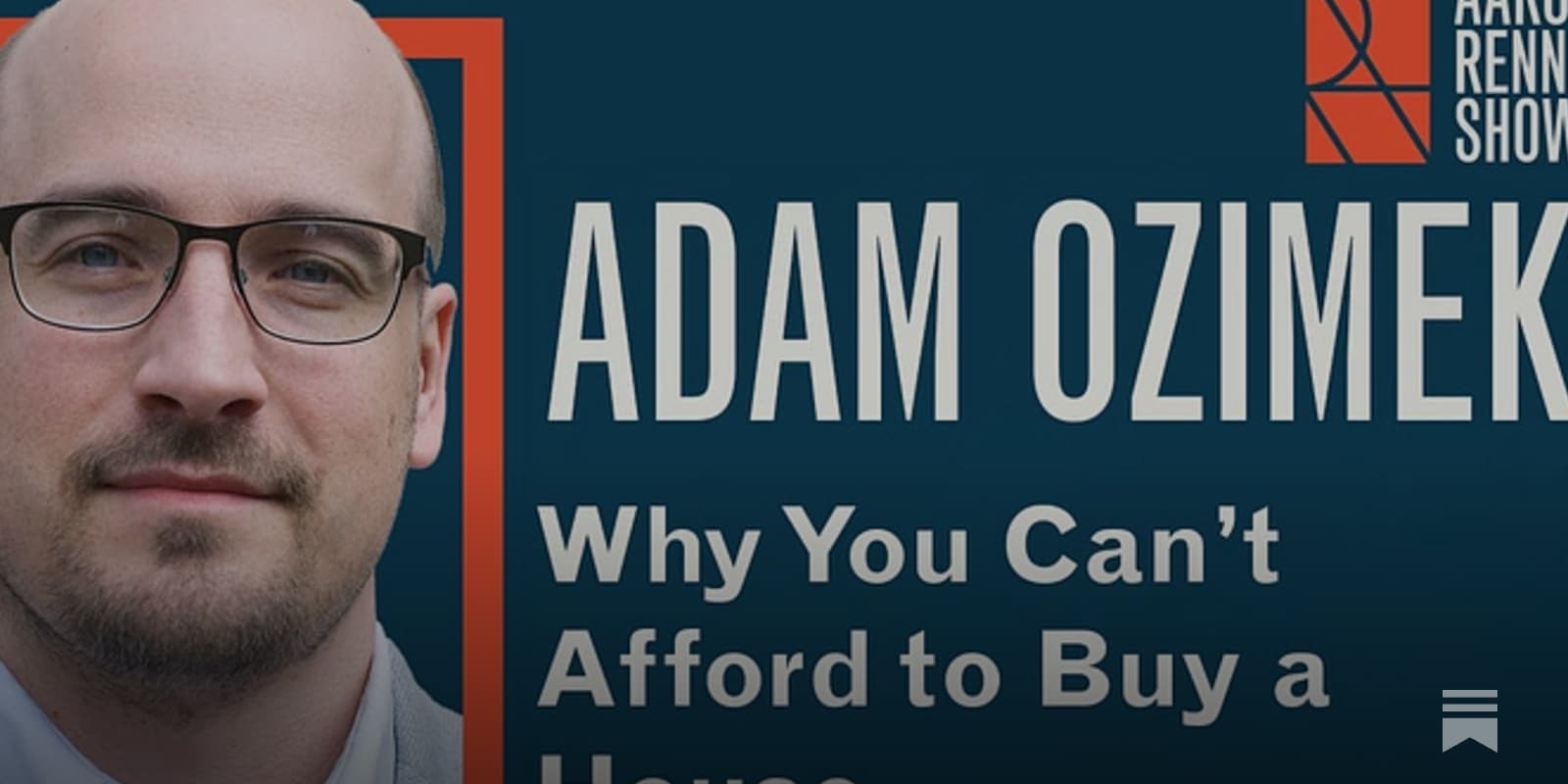
Economist Adam Ozimek has weighed in on the contentious debate surrounding a proposed $140,000 "poverty line," acknowledging the data's inaccuracies while affirming the validity of broader concerns about the declining standard of living in the United States. His comments, shared via a recent tweet, highlight a nuanced position amidst a growing discussion on economic hardship.
Ozimek stated on social media, "The defense of the $140k poverty line post have retreated to yes the data is wrong, yes the core claim is wrong, but it is a complaint about standard of living improvement in the US so I must nevertheless say it’s good." This indicates a recognition that while the specific $140,000 figure may be statistically flawed, it points to a genuine issue.
The discussion stems from an essay by Michael W. Green, which suggested that the actual cost of living for a family of four necessitates an income closer to $140,000, far exceeding the official U.S. poverty line. The official poverty measure, currently around $31,200 for a family of four, is widely criticized for being outdated, originating in the 1960s and primarily based on food costs.
Analysts and economists argue that the traditional poverty line fails to account for dramatic increases in essential expenses such as housing, healthcare, childcare, and education. Even families earning significantly more than the official threshold often struggle to meet basic needs and build financial security, leading to a perception of a "middle-class squeeze." Ozimek's perspective suggests that the public's embrace of a higher "poverty line" reflects a real sentiment of financial strain, regardless of the precise accuracy of the figure itself.