European Intelligence Signals Monitoring of U.S.-Kremlin Backchannel After Witkoff-Ushakov Call Leak
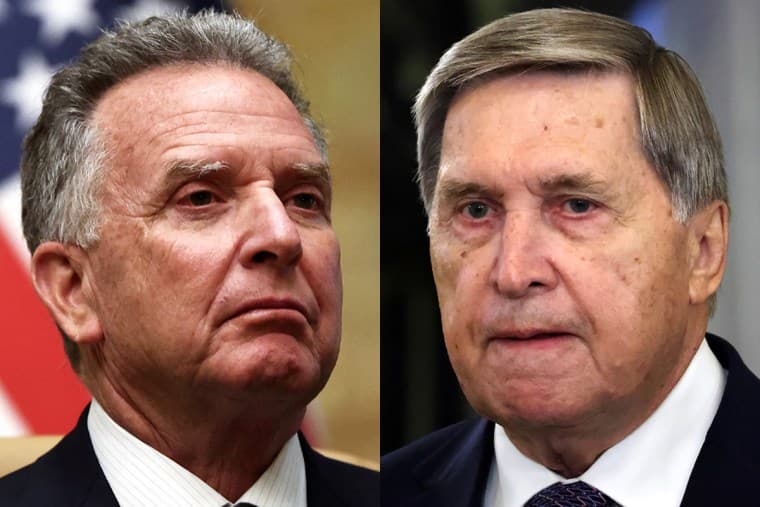
A European intelligence service has reportedly intercepted a confidential phone call between U.S. presidential envoy Steve Witkoff and Russian foreign policy adviser Yuri Ushakov, subsequently leaking details to journalists. This action is widely interpreted as a strategic signal to the White House, indicating awareness of informal diplomatic channels regarding the war in Ukraine. The leak has prompted significant speculation about its intent and origin, particularly within intelligence circles.
The intercepted conversation, which took place in October, reportedly showed Witkoff advising Ushakov on how to present a Ukraine peace plan to U.S. President Donald Trump. According to transcripts published by Bloomberg News, Witkoff suggested Putin congratulate Trump on a recent Gaza peace deal and hinted at potential land concessions, including Donetsk, as part of a peace settlement. This content, while not "explosive" on its surface, confirms direct, high-level communication between the two administrations.
Intelligence analysts suggest that the release of such sensitive SIGINT (Signals Intelligence) is not accidental. As stated by OSINT Intuit™, "The release may have been the message," intended to demonstrate capability and access without revealing more damaging material. This move could pressure U.S. officials involved in "off-book diplomacy" to recalibrate their approach, reminding the administration that "any off book diplomacy conducted outside allied visibility is, in fact, visible to at least one ally."
The leak arrives amidst reports of internal U.S. government tensions over a proposed "28-point plan" for Ukraine, with figures like Secretary of State Marco Rubio reportedly sidelined. President Trump has defended Witkoff, calling him a "dealmaker" whose actions were "standard negotiation." However, several U.S. lawmakers, including Republicans Don Bacon and Ted Lieu, have criticized Witkoff's conduct, with some calling for his dismissal, citing concerns over his perceived pro-Russian stance.
Russia has condemned the leak as an "unacceptable" act of "hybrid warfare" aimed at undermining Ukraine peace negotiations. Yuri Ushakov confirmed his regular contact with Witkoff but stated their conversations were confidential and should not have been leaked, suggesting some calls were made via less secure channels like WhatsApp. Ukrainian officials have also expressed concern, with one parliament member calling for Witkoff's replacement due to "incompetence." The incident underscores the complex web of diplomacy and intelligence surrounding the ongoing conflict.