Europe's Richest Neolithic Landscape Explored by The New Yorker in Scotland
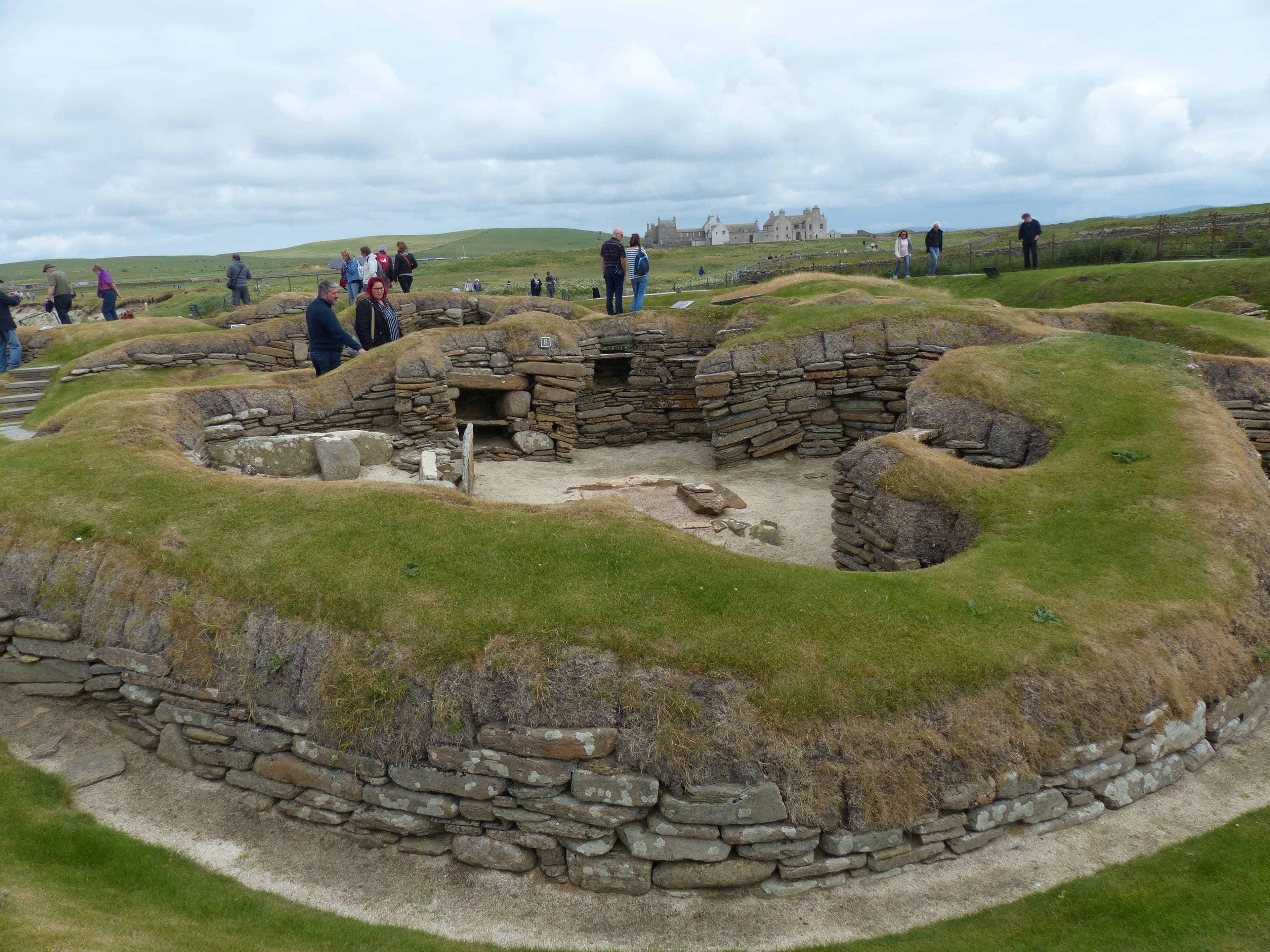
The New Yorker has published a new report by writer Alex Ross, detailing his journey through northern Scotland's exceptionally rich archaeological landscapes. The article delves into the enduring legacy of a sophisticated Neolithic society that flourished in the region between 3800 and 2200 B.C., offering a deep dive into ancient human history. This exploration highlights the profound impact and advanced culture of communities that thrived millennia ago in one of Europe's most significant prehistoric areas.
According to a tweet from The New Yorker, > "Alex Ross travels to northern Scotland to one of Europe’s richest archeological landscapes—the legacy of a Neolithic society that flourished between 3800 and 2200 B.C." Ross's detailed account specifically examines monumental sites such as Skara Brae and the Ring of Brodgar. These locations are integral components of the broader Heart of Neolithic Orkney, a UNESCO World Heritage site that showcases remarkable architectural and social achievements.
The Heart of Neolithic Orkney encompasses a collection of four major sites: Maeshowe, the Ring of Brodgar, the Stones of Stenness, and Skara Brae. Together, these sites provide an unparalleled glimpse into the advanced capabilities of a flourishing Neolithic society from 3000 to 2000 BC. They are recognized globally as one of the most important prehistoric landscapes in Western Europe, revealing crucial insights into the daily life, beliefs, and technological prowess of early farming communities.
Alex Ross, known for his insightful cultural commentary, brings a unique perspective to this archaeological narrative, underscoring the advanced social structures and cultural practices of these ancient communities. His report, featured in The New Yorker, serves to illuminate the enduring significance of these historical sites to a wide audience. The publication's focus on this period reinforces the critical role of northern Scotland in understanding early human development and societal organization.
This comprehensive exploration by Ross and The New Yorker underscores the continuous relevance of archaeological discoveries in shaping our understanding of human civilization. The article emphasizes the lasting impact of a society that thrived for 1600 years, leaving behind a monumental heritage. It invites readers to reflect on the ingenuity and complexity of prehistoric life in one of the world's most significant archaeological treasures.