Expansive British Ordinance Defines 'Fish' as All Sea Creatures, Prompting Legal and Welfare Discussions
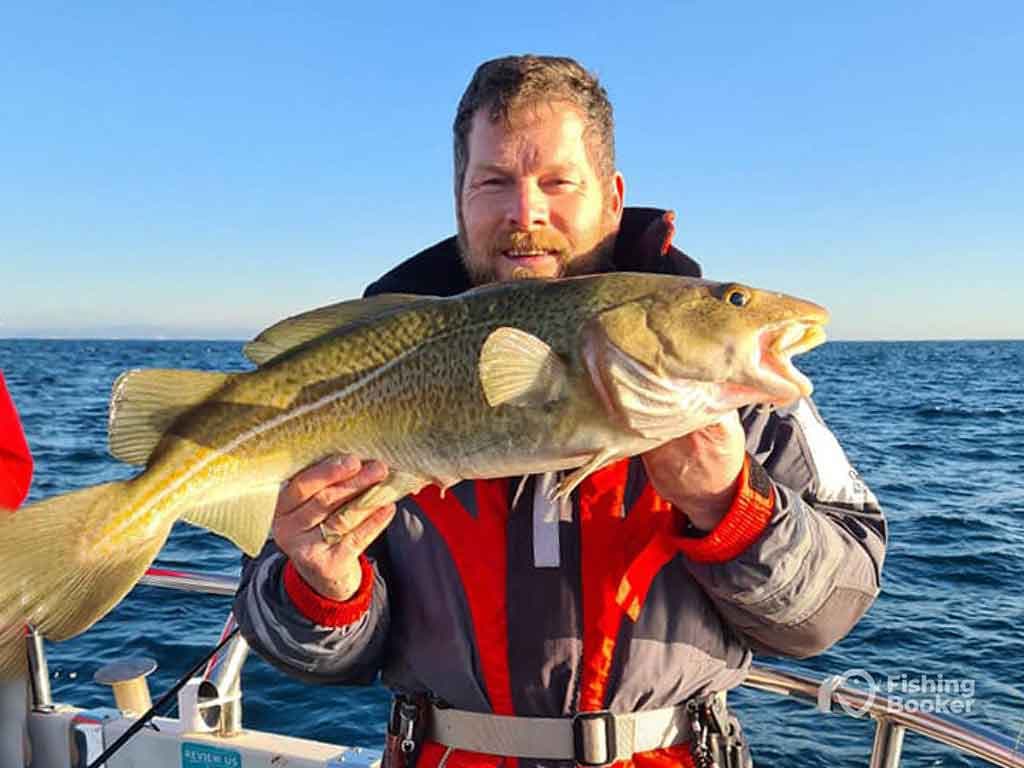
An enduring British fishing ordinance broadly defines "fish" as "any sea creature, whether fish or not," a classification that continues to draw attention for its wide scope. This peculiar legal definition was highlighted in a recent social media post by Rona Dinur, stating, "> In other news, an old British fishing ordinance defines "fish" as "any sea creature, whether fish or not"." This broad interpretation stems from legislation such as the Salmon Act 1986.
Initially focused on "handling salmon in suspicious circumstances," Section 32 of the Salmon Act 1986 was later amended by the Marine and Coastal Access Act 2009. This amendment expanded the scope to "handling fish in suspicious circumstances," thereby extending its application beyond salmon to include trout, eels, lampreys, smelt, and other freshwater fish. The law is frequently cited as an example of the United Kingdom's more unusual statutes.
This expansive legal definition takes on new relevance amidst contemporary discussions on marine animal welfare. While the Animal Welfare (Sentience) Act 2022 formally recognizes all fish as sentient beings in English law, commercially caught wild fish often lack direct legal protections. This creates a notable "welfare gap" where the legal recognition of sentience does not consistently translate into welfare provisions for all marine life encompassed by the broad definition of "fish."
Experts note a significant disparity between societal expectations for treating sentient animals and the realities of commercial sea fisheries, where practices acceptable for wild-caught fish would be deemed unacceptable for other animals. This regulatory gap persists despite scientific evidence affirming fish sentience and the potential for improved welfare practices to benefit both marine ecosystems and product quality. The broad legal definition, therefore, underscores the ongoing challenge of aligning traditional legislation with modern ethical and scientific understandings of marine life.