Fact-Checkers Confirm 800% Drug Price Reductions Mathematically Impossible Amid Trump's Claims
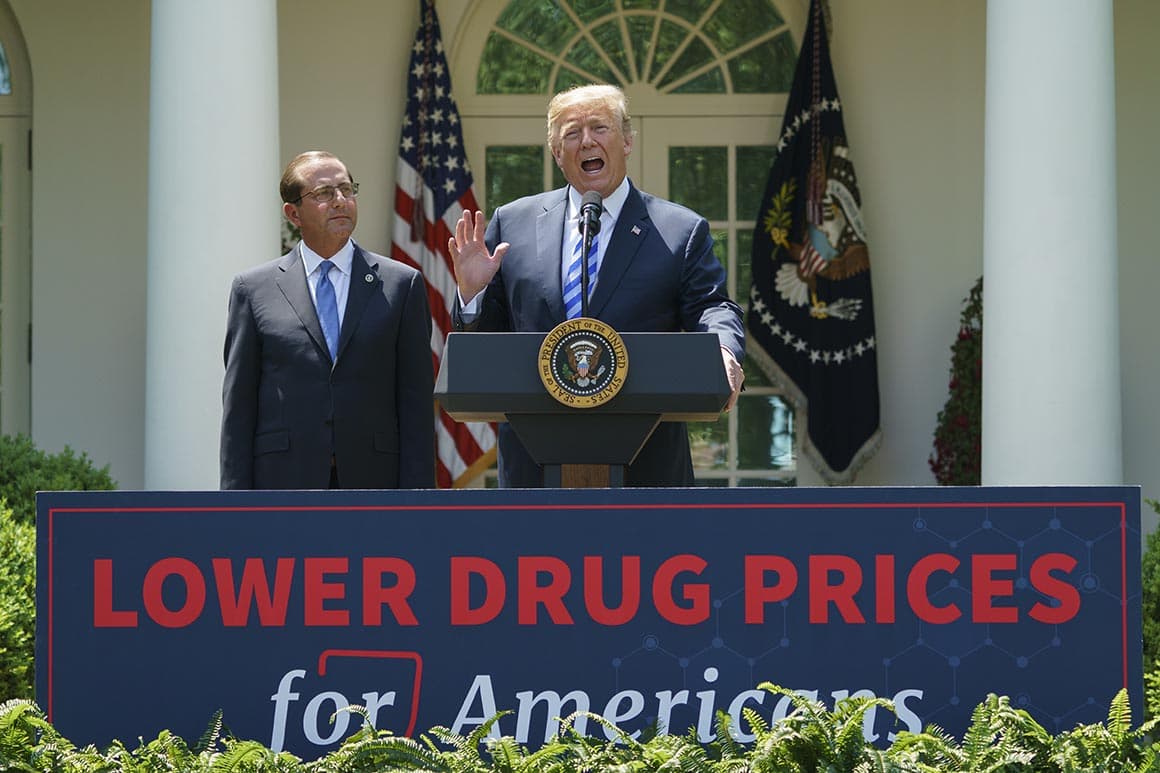
Former President Donald Trump has repeatedly asserted that he has slashed drug prices by hundreds of percent, a claim that health economists and fact-checking organizations consistently deem mathematically impossible. His statements, including figures such as "200%, 300%, 400%, 500%, 600%, 700%, 800%," have been met with widespread skepticism from experts. Such reductions would imply that pharmaceutical companies are paying consumers to take medications, rather than charging for them.
Trump recently reiterated these claims, stating, "I slash drug prices by 200%, 300%, 400%, 500%, 600%, 700%, 800%. Nobody has ever heard of it before!" The original tweet content highlighted the impossibility, noting, "I did not even know you could reduce price of something by 100% let alone 800%!!" These remarks typically accompany discussions of his administration's efforts to lower prescription drug costs in the United States.
Health policy experts, including Geoffrey Joyce of the University of Southern California’s Schaeffer Center and Mariana Socal of Johns Hopkins University, have labeled Trump's figures as "total fiction" and "not logical." They emphasize that a price reduction exceeding 100% is not feasible, as it would result in a negative cost for the consumer. Fact-checking organizations like AP News and CNN have consistently debunked these specific percentage claims.
While the extreme figures are unfounded, the Trump administration did implement policies aimed at reducing drug prices, notably through executive orders promoting "most-favored-nation" pricing. These initiatives sought to align U.S. drug costs with lower prices found in other developed countries. Recent agreements, such as those with Eli Lilly and Novo Nordisk for drugs like Ozempic and Wegovy, have resulted in significant price reductions and lower co-pays for Medicare beneficiaries, but these are not in the hundreds of percent.
Despite these actual policy efforts, fact-checkers continue to highlight the consistent discrepancy between Trump's dramatic numerical claims and verifiable data. The repeated assertion of mathematically impossible reductions underscores ongoing concerns about misinformation in public health and economic discourse.