Geopolitical Strategist Luttwak Criticizes "Mamdani's" Alleged Extremist Ties and "College Educated" Voters
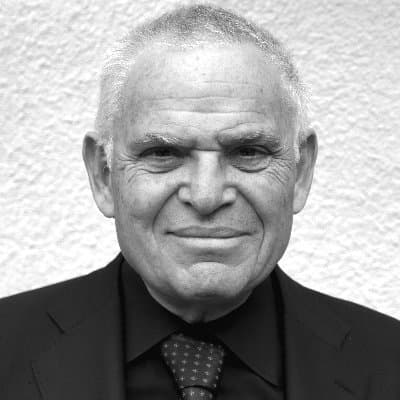
Edward N. Luttwak, a prominent geopolitical strategist, launched a scathing critique via social media on November 27, 2025, targeting a figure identified as "Mamdani" for allegedly concealing extremist associations to secure an election victory. Luttwak's tweet accused "Mamdani" of presenting as a moderate before revealing ties to "hysterical extremists, Farrakan fantasists... [and] absurd communists." The commentary quickly drew attention, highlighting contentious issues within political discourse.
Luttwak's criticism specifically pointed to "Farrakan fantasists," a clear reference to the controversial views often associated with Louis Farrakhan, leader of the Nation of Islam. Farrakhan has historically faced widespread condemnation for statements, including claims about Jewish people's involvement in the slave trade, which are widely considered antisemitic and historically inaccurate. The inclusion of such a reference by Luttwak underscores the severity of the alleged associations.
Beyond the direct accusations against "Mamdani," Luttwak extended his critique to a segment of the electorate, stating, "That many 'college educated' voters chose him proves that many colleges should be closed." This remark suggests a deeper concern from Luttwak regarding the judgment and critical thinking skills of educated voters, implying a failure within the higher education system itself. His statement challenges the perceived wisdom of a demographic often considered influential in political outcomes.
Edward N. Luttwak is widely recognized for his work in military strategy and international relations, authoring numerous books and articles that often offer provocative and unconventional analyses of global affairs. His public statements frequently spark debate, and this latest tweet continues his pattern of direct and unreserved commentary on political and societal issues. The specific "Mamdani" referenced in the tweet could not be immediately identified as a globally prominent political figure who recently won an election, suggesting the critique might be aimed at a less prominent individual or a generalized political archetype.