Global Child Mortality Rates Halve Since 2000, Yet Disparities Persist
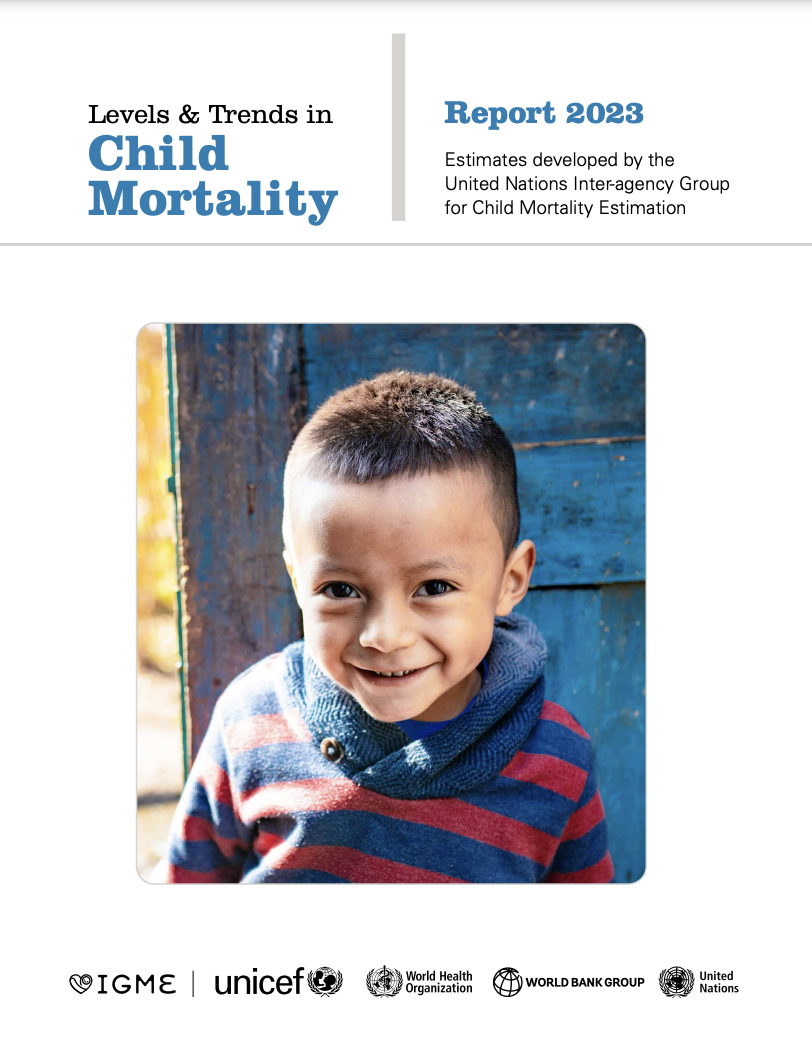
Global child mortality rates have seen a remarkable 51% reduction since 2000, with the under-five mortality rate falling to 37 deaths per 1,000 live births in 2022 from 76, marking a historic low. This significant progress, highlighted by the UN Inter-agency Group for Child Mortality Estimation (UN IGME), means millions more children are surviving today. However, a recent social media post by Kunal Bhatia serves as a poignant reminder of ongoing inequalities, stating, "A good reminder that 'Third World' countries are first class in childhood mortality rates and much more. We stand to learn a lot from them."
Despite the global decline, progress has notably slowed since 2015, with the annual rate of reduction decreasing from 3.7% (2000–2015) to 2.2% (2015–2023). Disparities remain stark, as a child born in Sub-Saharan Africa is 14 times more likely to die before their fifth birthday than one born in high-income countries. This region recorded the highest under-five mortality rate of 68 deaths per 1,000 live births in 2023, nearly 20 years behind the global average.
The tweet also paid tribute to the late Professor Hans Rosling, an acclaimed Swedish physician, statistician, and public speaker known for his innovative data visualization and fact-based worldview. Rosling, who passed away in 2017, co-founded the Gapminder Foundation, an organization dedicated to fighting misconceptions about global development through data. His work emphasized a nuanced understanding of global progress, often challenging conventional narratives about developing nations.
Gapminder continues Rosling's legacy by making data accessible and understandable, promoting a fact-based worldview to combat widespread ignorance. Their tools, such as Worldview Upgrader and Dollar Street, aim to illustrate global development trends and living conditions, echoing Rosling's famous TED Talks like "The good news of the decade? We're winning the war against child mortality" and "Let my data set change my mindset." These resources underscore the complex realities of global health and development.
Bhatia's tweet further delved into a critical discussion on healthcare priorities, adding, "this is what I point to when I have discussions about 'why do we spend so much on end of life care vs. beginning?' – I think we should be smoothening this imbalance ASAP." This statement reflects a growing debate among public health experts and policymakers regarding resource allocation in healthcare, advocating for increased investment in early life interventions and preventative care to further reduce child mortality and improve global health outcomes.