Global Road Fatalities: Human Error Accounts for Over 90% of Crashes, Fueling Push for Driverless Cars
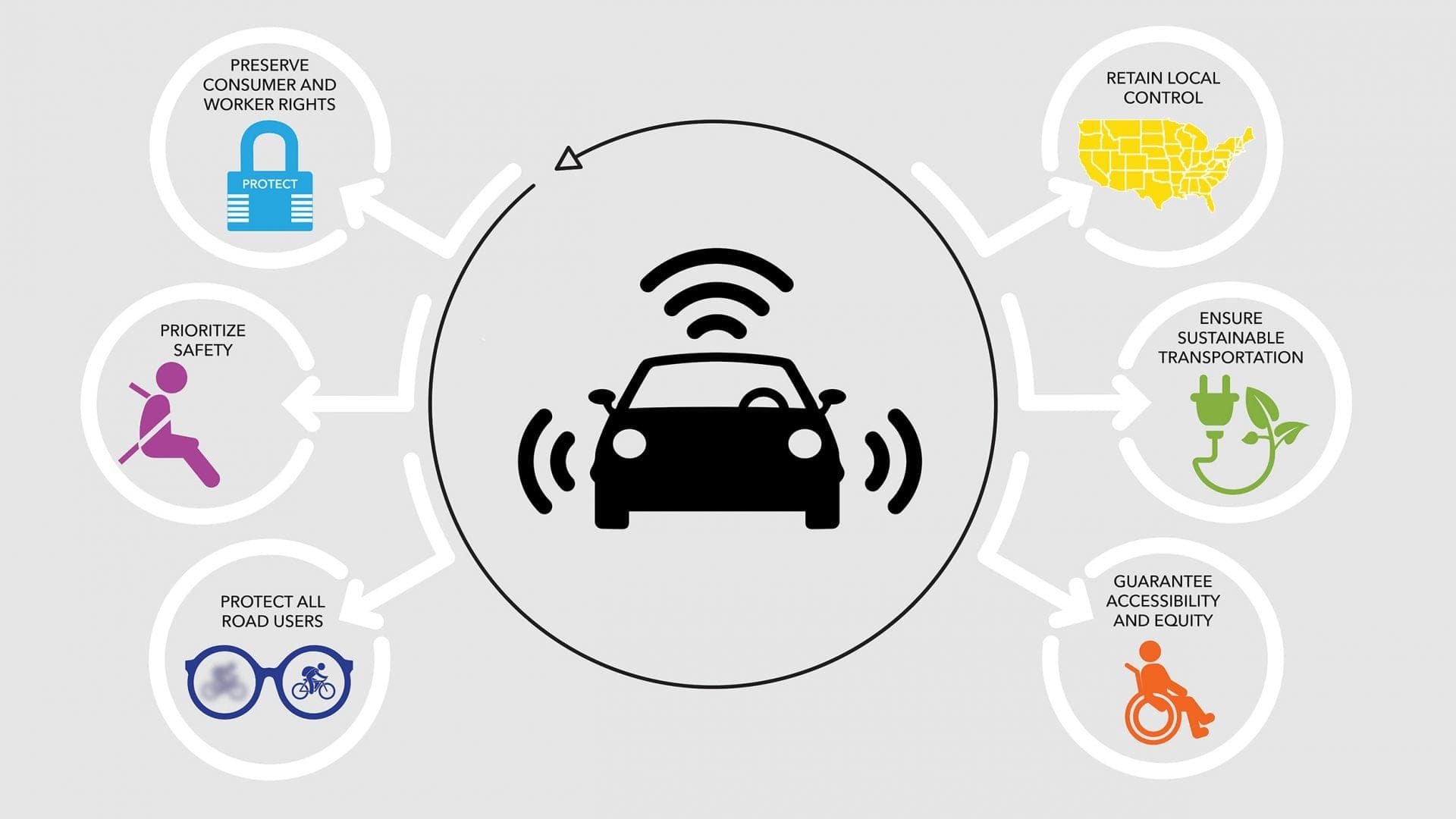
Worldwide, more than 1.19 million lives are lost annually due to road traffic crashes, with human error consistently identified as the primary cause in over 90% of incidents. This stark reality underscores the urgent public health imperative driving advocates like Katie Roberts-Hull, who asserts the need to deploy safe driverless cars "everywhere as fast as possible." The potential for autonomous vehicles (AVs) to significantly reduce this global toll is a key argument for their rapid development and adoption.
Road traffic injuries represent the leading cause of death for individuals aged 5 to 29 years, highlighting a critical demographic impact. Traditional road safety efforts, while important, grapple with inherent human limitations such as distraction, impairment, speeding, and fatigue. These factors contribute to hundreds of thousands of long-term disabilities and immense economic losses globally each year.
Autonomous vehicles promise to mitigate these risks by removing the human element from driving, thereby eliminating the vast majority of errors. Proponents argue that AVs, free from human fallibility, could usher in a new era of road safety, potentially saving tens of thousands of lives annually. The European Union, for instance, has set an ambitious target of zero road deaths by 2050, with mandatory advanced safety features in vehicles projected to prevent over 25,000 fatalities by 2038.
However, the path to widespread AV deployment is complex, involving significant technological, regulatory, and societal challenges. While early studies suggest AVs could be substantially safer, proving this definitively requires billions of miles of real-world testing. Issues surrounding liability in the event of accidents, the development of robust safety standards, and public acceptance remain critical hurdles that require careful consideration and continuous innovation to overcome.