GLP-1 Drugs Challenge Conventional Views on Obesity, Author Claims "No More Excuses" for Being Fat
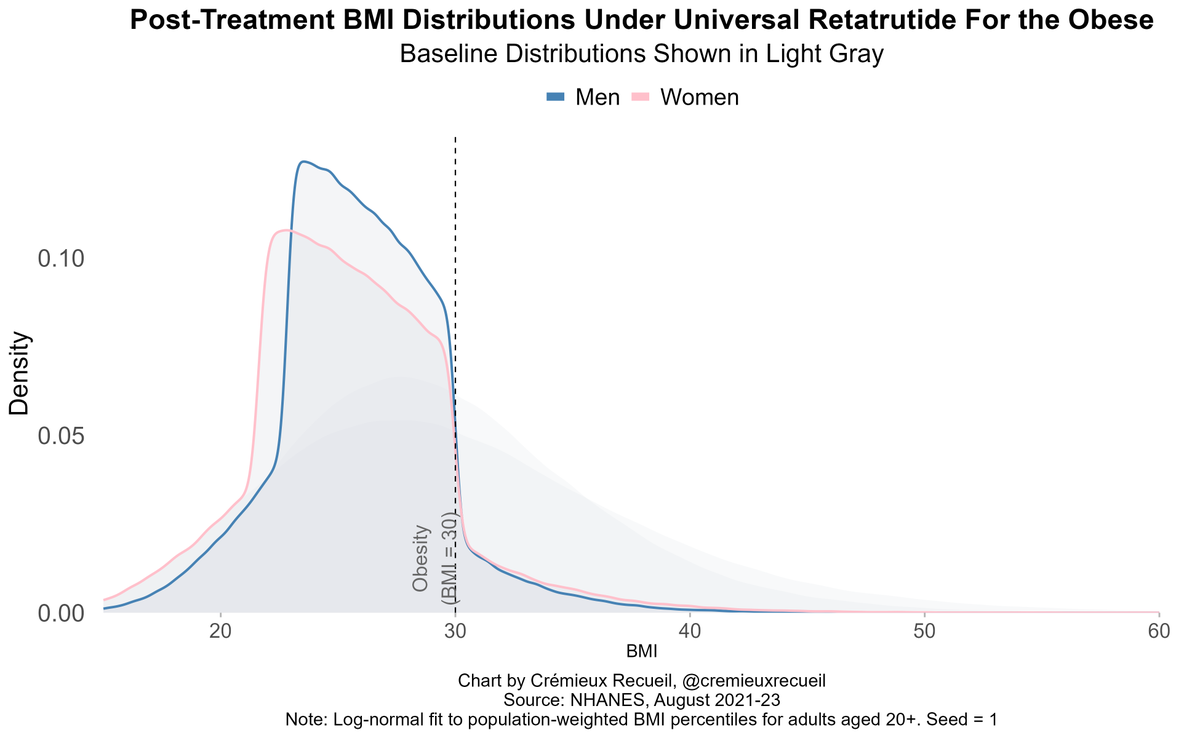
A recent social media post by author Crémieux has sparked considerable discussion, asserting that "being fat really is optional. Practically no one has an excuse anymore." The tweet, shared on December 3, 2025, links to an article on cremieux.xyz, which argues that the widespread availability and efficacy of GLP-1 receptor agonist (GLP-1RA) medications have fundamentally altered the landscape of obesity management.
Crémieux's detailed analysis on their platform, titled "There Are No More Excuses To Be Fat," posits that GLP-1RAs, such as semaglutide (Ozempic, Wegovy), tirzepatide (Mounjaro, Zepbound), and the experimental retatrutide, effectively address many previously cited reasons for persistent obesity. The author presents evidence suggesting these drugs can induce significant weight loss even in individuals with genetic predispositions, hypothyroidism, hypothalamic damage, or those taking weight-gain-inducing antipsychotic medications.
The article highlights studies indicating that GLP-1RAs are effective across various demographic groups and medical conditions, including post-menopausal women and individuals with Polycystic Ovary Syndrome (PCOS). Crémieux contends that while cost and fear of needles remain barriers, the increasing accessibility and potential for oral formulations will further diminish these obstacles. The author also dismisses the argument of weight regain upon cessation as "the worst argument," noting that similar issues exist with traditional diet and exercise, and real-world data shows sustained benefits for many.
This perspective underscores a growing debate about the role of pharmacological interventions in public health strategies for obesity. While GLP-1RAs have demonstrated remarkable efficacy in clinical trials, broader societal implications regarding access, long-term adherence, and the potential for these drugs to shift public perception of obesity are still evolving.