Google's Nano Banana AI Generates Cat Image in Early DALL-E Style, Sparking Nostalgia Among AI Art Enthusiasts
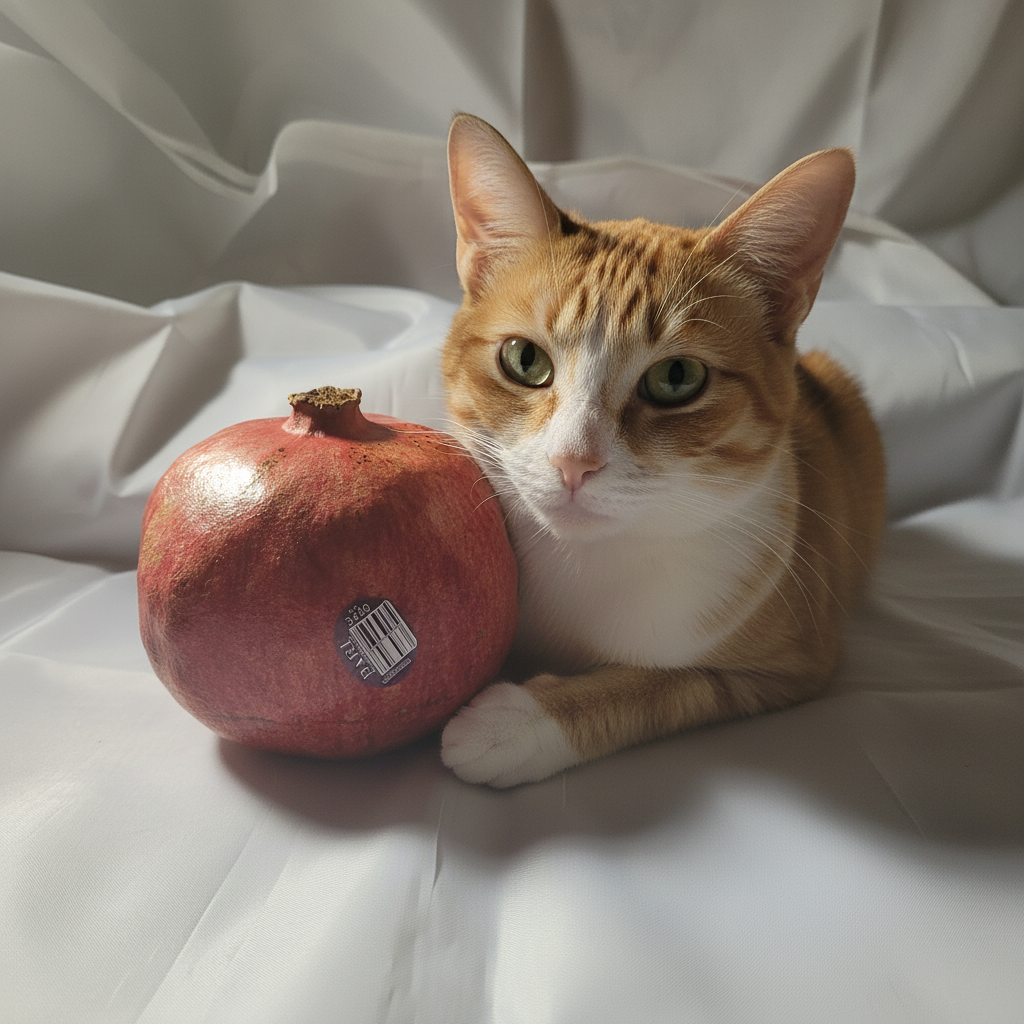
A recent social media post by user "rohit" has drawn attention to an AI-generated image of a cat, created by Google's "Nano Banana" model, specifically rendered in the distinctive style of the original DALL-E. The tweet, which includes a link to the image, states, "> this is what nano banana thinks a cat in the style of original dalle looks like." This showcases the evolving capabilities of AI models to emulate historical AI art aesthetics.
Nano Banana is an advanced AI image generation and editing model developed by Google, with its "Pro" version built on the Gemini 3 Pro architecture. It is known for its high-fidelity visuals, accurate text rendering, and sophisticated reasoning, enabling it to create detailed and consistent imagery. The model is accessible across various Google products and platforms like NanoBananaArt.ai, offering capabilities from restoring photos to generating complex diagrams.
The original DALL-E, launched by OpenAI in January 2021, was a pioneering text-to-image model that captivated the public with its ability to generate diverse and often surreal images from text prompts. Its outputs were characterized by imaginative, sometimes whimsical, and often collage-like aesthetics, distinct from the photorealistic ambitions of later models. Emulating this early style demonstrates a nuanced understanding of AI art history by contemporary models.
The AI art community often reflects on the rapid evolution of generative models, from DALL-E's initial foray into text-to-image synthesis to today's highly sophisticated tools. The ability of a modern AI like Nano Banana to replicate the specific stylistic quirks of an earlier model like DALL-E 1 highlights the increasing control and versatility developers are building into these systems. This convergence of advanced AI with historical stylistic emulation provides a unique perspective on the progression of artificial intelligence in creative fields.