Holi
Overview
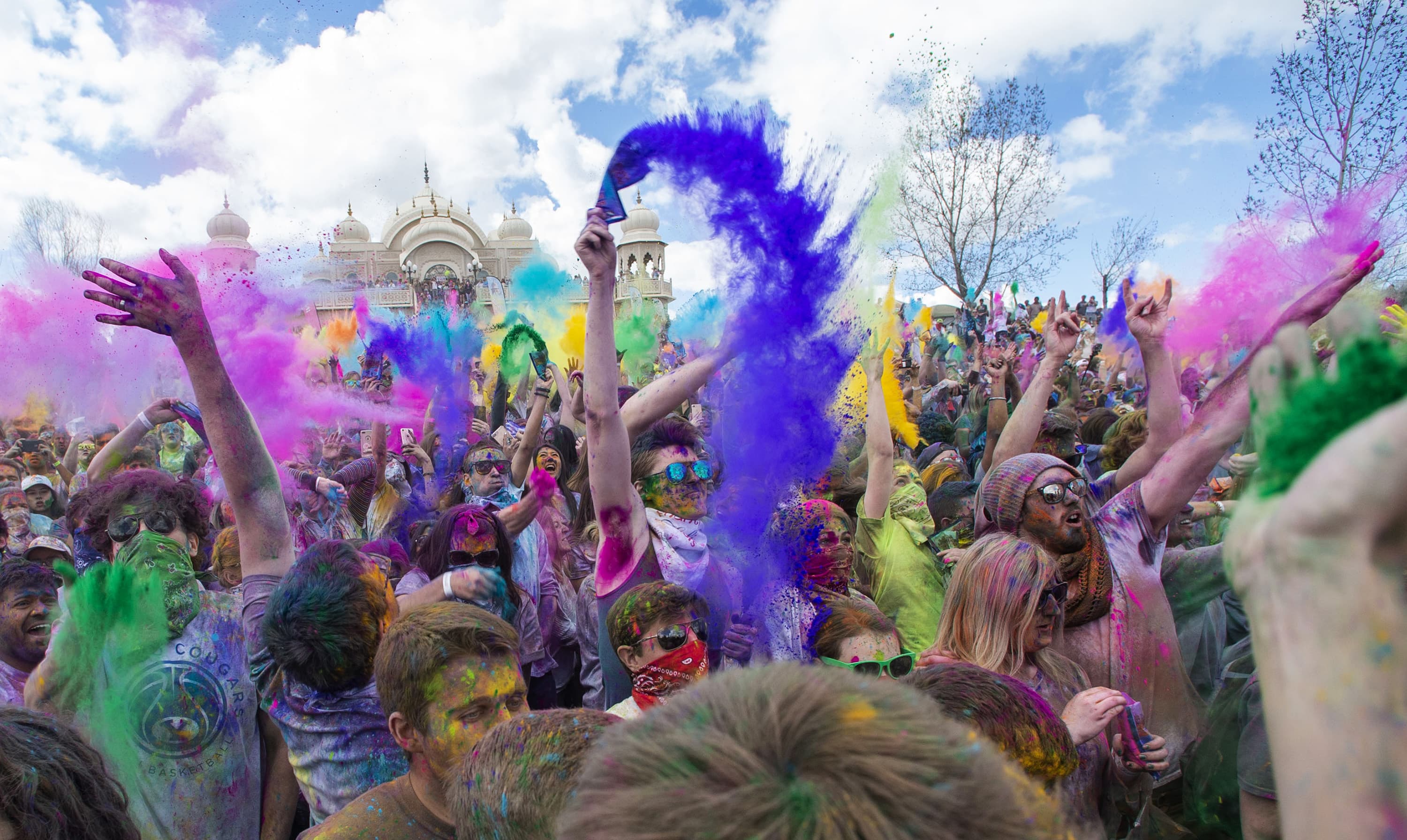
Holi, known as the "Festival of Colors," is an ancient Hindu festival celebrated predominantly in India and Nepal. It symbolizes the victory of good over evil, the arrival of spring, and the blossoming of love. Celebrations include bonfires, dancing, singing, and playful color throwing. Holi 2025 will be observed on March 13-14. While the festival has religious roots, it also promotes social harmony and is celebrated regardless of caste or creed.
Recent Developments
- March 2025: Controversy arose in Mathura, India, over a call by Hindu religious leaders to exclude Muslims from participating in Holi celebrations, sparking nationwide debate over religious inclusivity.
- 2025: Holi celebrations in the Bay Area and other parts of the U.S. saw significant participation from diverse communities, highlighting the festival's growing global appeal.
- 2025: In Poland, a health tech startup named Holi emerged, distinct from the festival, offering digital obesity treatments and expanding into European markets.
- March 2023: Traffic violations and accidents in India increased during Holi, prompting calls for better safety measures during celebrations.
- 2023: Holi was marked by fewer incidents of forced participation in Nepal, reflecting a more respectful cultural approach to the celebrations.
Company Information
| Attribute | Information |
|---|---|
| Founding Date | Ancient (exact date unknown) |
| Headquarters | Predominantly celebrated in India and Nepal |
| Founders | Associated with Hindu traditions and mythology |
| Industry | Cultural and Religious Event |
| Number of Participants | Millions worldwide |
Early History
Holi traces its origins back to ancient Hindu texts such as Jaimini's Purva Mimamsa Sutras and Narada Purana. It is deeply linked with the mythology of Prahlada and his devotion to Lord Vishnu, and the playful acts of Lord Krishna with Radha. The festival's earliest literary mentions date back to the 4th century, signifying its long-standing cultural significance.
Company Profile and Achievements
Holi has evolved from a traditional religious festival into a global cultural phenomenon, celebrated across various countries. Major achievements include:
- Spreading Globally: Holi is now celebrated in countries with large Indian diasporas, such as the U.S., UK, South Africa, and others.
- Cultural Unification: The festival transcends social barriers, fostering unity and social harmony.
- Economic Impact: It drives economic activity, particularly in tourism and commerce during the festival season.
- Environmental Initiatives: Increasing awareness of using eco-friendly, natural colors to minimize environmental impact.
Current Operations and Market Position
Holi continues to be a leading cultural event both in India and worldwide. Its unique blend of religious significance and cultural celebration positions it as a key festival that promotes diversity and inclusivity. In regions with water scarcity, celebrations now emphasize dry colors and minimize water use.
Conclusion
Holi remains a vibrant testament to India's rich cultural heritage, embodying themes of love, unity, and renewal. As it continues to expand globally, Holi serves as a crucial cultural exchange point, bringing people together across different backgrounds. With increasing focus on sustainability, Holi's future promises a harmonized celebration that respects both tradition and modern environmental concerns.