LLM Prompt Caching Offers Up to 90% Cost Reduction and 85% Latency Improvement
New insights highlight prompt caching as a critical optimization for Large Language Model (LLM) workflows and agents, with potential for significant cost and latency savings.
According to a recent post by developer Sankalp, "prompt caching is the most bang for buck optimisation you can do for your LLM based workflows and agents." The post, titled "How prompt caching works," delves into practical tips for achieving consistent cache hits and explains the underlying mechanisms. This optimization technique is gaining traction as LLM applications scale, offering substantial efficiency gains.
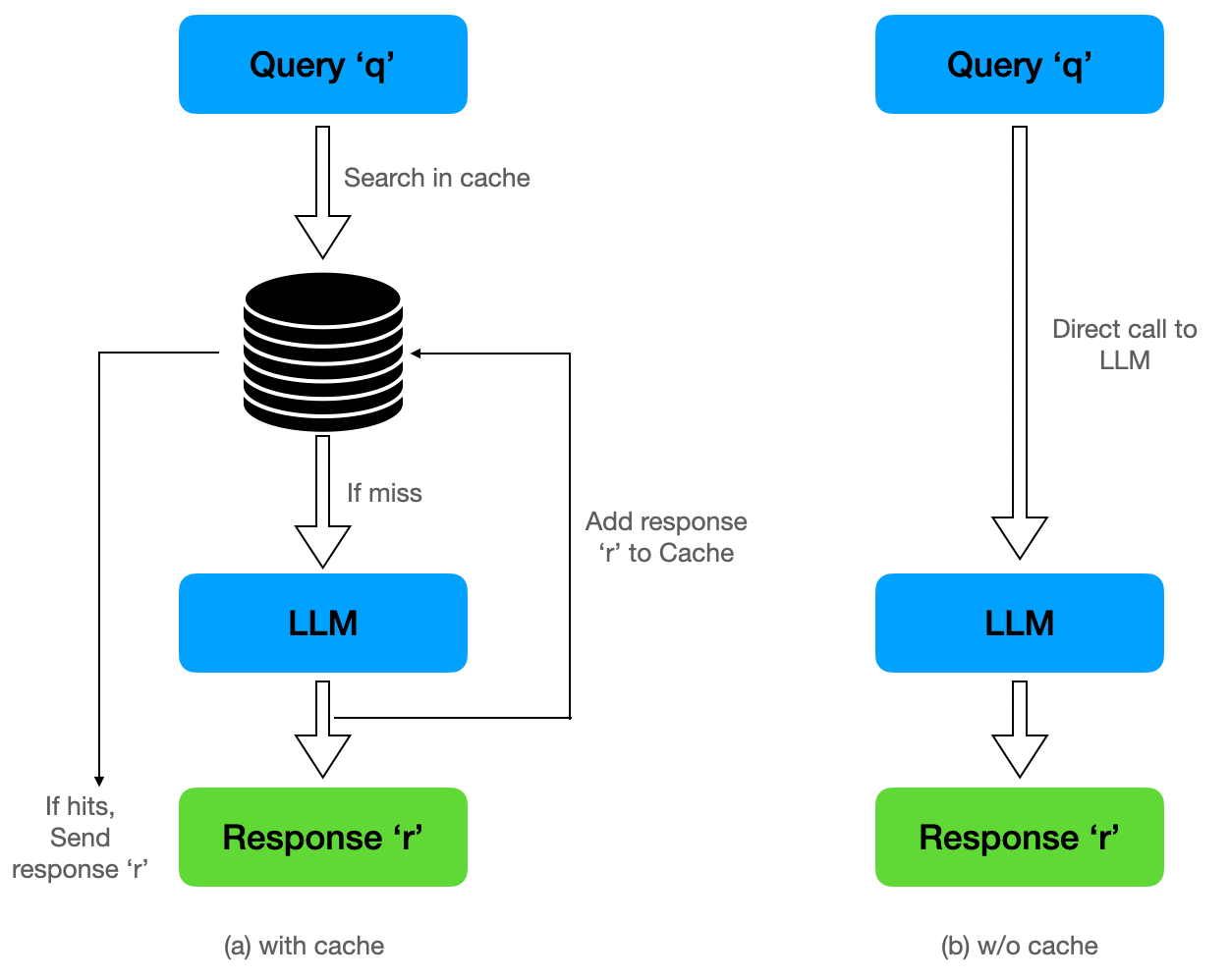
Prompt caching functions by storing and reusing the computational work performed on repeated or static content within LLM prompts. Instead of recalculating attention states for identical prompt segments, the model retrieves them from a cache, drastically reducing processing time and associated costs. Industry figures indicate that prompt caching can cut LLM costs by over 60%, with some providers like Amazon Bedrock reporting up to 90% cost reduction and 85% latency improvement for supported models.
Sankalp's analysis emphasizes that while the concept is powerful, effective implementation requires careful consideration. Key strategies to improve cache hit rates include maintaining a "longest possible stable prefix" in prompts, ensuring context is "append-only," and using deterministic serialization for dynamic elements like tool outputs. He notes that dynamically changing tool call definitions or inserting user-specific data mid-prompt can break the cache, leading to redundant computations.
Under the hood, prompt caching relies on advanced inference engine techniques such as KV-cache reuse, often implemented through methods like Paged Attention, as seen in the vLLM engine. This allows the sharing of pre-computed Key-Value tensors across different user requests, transforming what might seem like a per-conversation optimization into a content-based efficiency gain. Providers like OpenAI and Anthropic offer varying approaches, with some, like OpenAI, not charging extra for cached tokens, while others may apply charges for cache writes due to the GPU memory cost of storing these tensors.