Melania Trump's Citizenship Under Scrutiny Following "Domestic Tranquility" Tweet
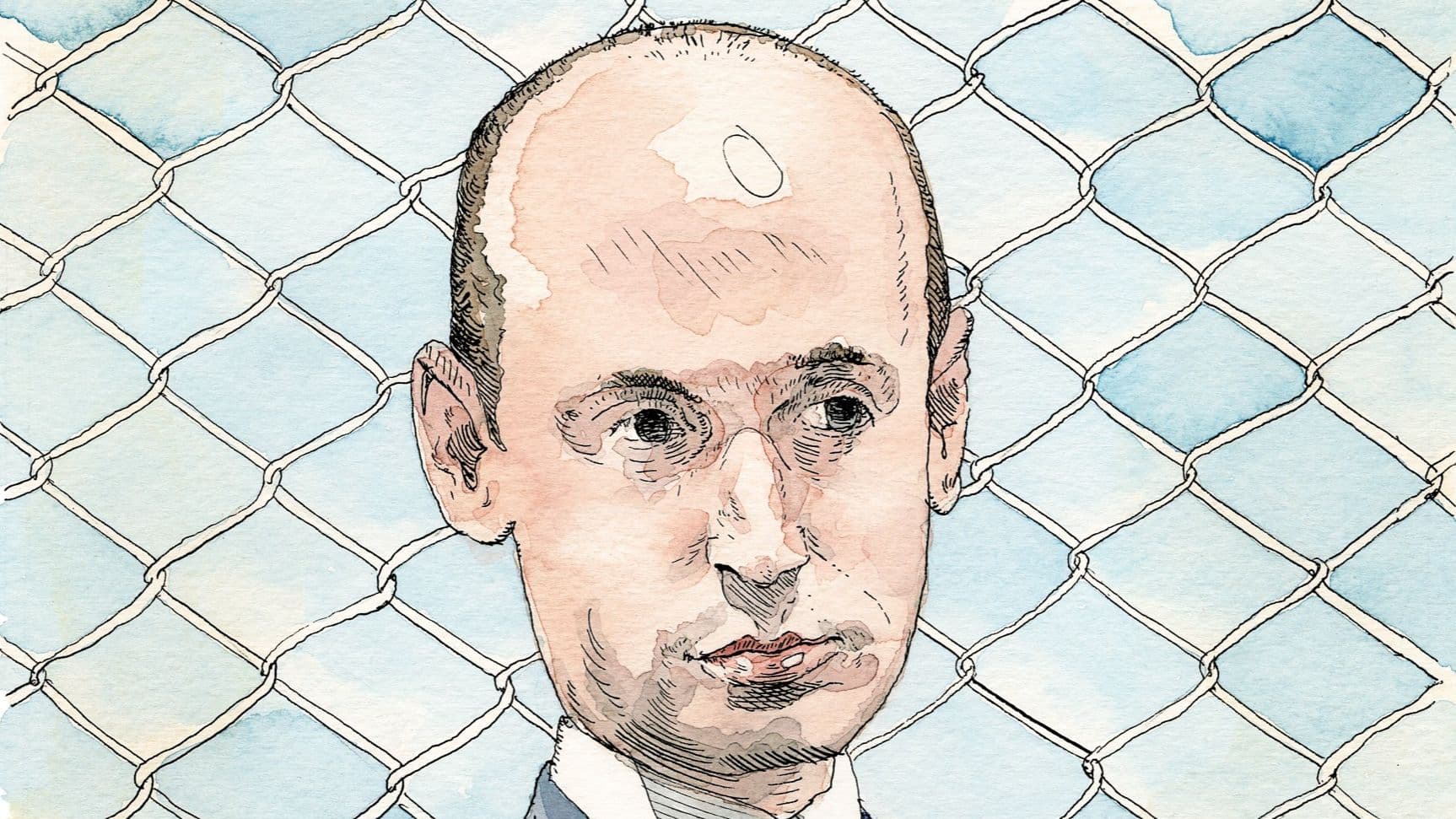
A recent social media post by political commentator Tim Miller has ignited discussion regarding the legal grounds for denaturalization in the United States, specifically mentioning former First Lady Melania Trump. Miller's tweet suggests that if the U.S. is to denaturalize migrants who "undermine domestic tranquility," such a system should "start with Melania to send a signal that the White House will not play favorites."
Melania Trump became a naturalized U.S. citizen on July 28, 2006. Her path to citizenship involved obtaining an EB-1 visa in 2001, often referred to as the "Einstein Visa." This visa category is designated for individuals demonstrating "extraordinary ability" and "sustained national and international acclaim" in their field. The suitability of her qualifications for this visa has been a subject of past scrutiny.
The legal process of denaturalization is a serious and rare action, primarily reserved for cases where citizenship was obtained through fraud, misrepresentation, or concealment of material facts during the naturalization process. Other grounds can include refusing to testify before a congressional committee concerning subversive activities or being convicted of certain crimes within five years of naturalization. The government must provide clear, unequivocal, and convincing evidence to revoke citizenship.
Tim Miller, a prominent Republican strategist and vocal critic of former President Donald Trump, is known for his work with the Lincoln Project and his conservative but anti-Trump stance. His tweet appears to be a pointed commentary on immigration policies and the perceived hypocrisy surrounding them, rather than a direct legal accusation against Melania Trump. The phrase "undermine domestic tranquility" is not a specific legal ground for denaturalization but rather a broad concept often invoked in political discourse regarding national unity and stability.
The debate surrounding Melania Trump's naturalization gained traction previously when it was revealed she sponsored her parents for U.S. citizenship through "chain migration," a process her husband, Donald Trump, has publicly criticized. This highlights the complex and often politically charged nature of immigration and citizenship discussions in the United States.