Minnesota Rocked by Over $1 Billion Welfare Fraud Scandal
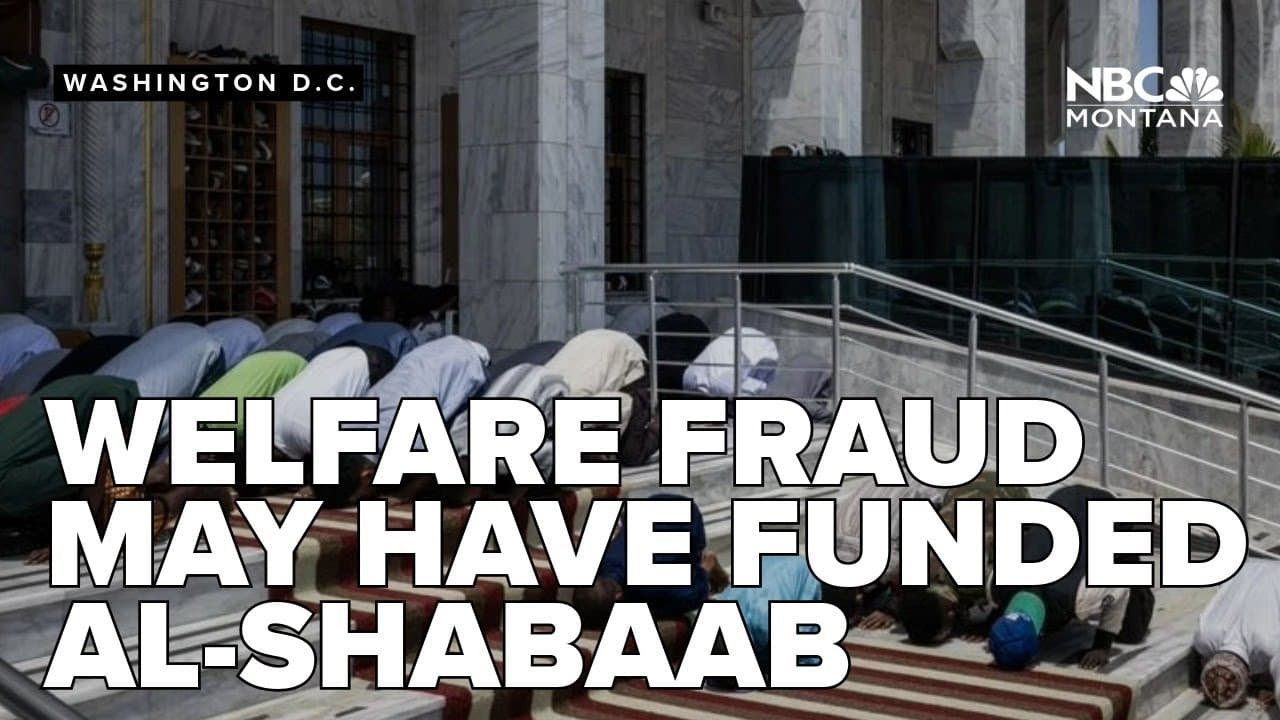
Federal prosecutors in Minnesota have uncovered a massive welfare fraud scheme exceeding $1 billion, primarily involving individuals from the state’s Somali diaspora. The New York Times recently reported on the staggering scale of the fraud, which targeted various social service programs, drawing national attention and political commentary. The scandal has become a significant issue for Governor Tim Walz and state Democrats, who are facing scrutiny over the oversight of these programs.
The fraud, which law enforcement officials say took root over the last five years, involved individuals setting up companies that billed state agencies for millions of dollars in social services that were never provided. Federal prosecutors have charged dozens of people, with 59 convictions to date, across three major plots: a pandemic-era child nutrition program (Feeding Our Future), housing assistance, and autism therapy services. Joseph H. Thompson, the federal prosecutor overseeing the cases, emphasized the severe impact, stating, "No one will support these programs if they continue to be riddled with fraud."
One of the primary schemes centered on Feeding Our Future, a nonprofit that received state and federal funds to feed low-income children. Prosecutors allege that most meals were nonexistent, with business owners diverting funds to purchase luxury cars, homes, and even real estate abroad. Similarly, programs for homelessness assistance and autism therapy were exploited, with providers allegedly recruiting children for false certifications and paying kickbacks to parents.
The New York Times article highlighted that red flags regarding the meals program emerged in 2020, but money continued to flow. State education officials, overwhelmed by applications, faced threats of litigation and accusations of racism from Feeding Our Future if new "minority-owned businesses" were not promptly approved. Kayseh Magan, a Somali American and former fraud investigator for the Minnesota attorney general’s office, suggested a perception existed that assertive action against allegations within the Somali community might cause political backlash for Democrats.
Governor Tim Walz has defended his administration's actions, stating that programs were designed to quickly assist people during the pandemic, and criminals exploited loopholes. He has since instituted new fraud-prevention safeguards, including a task force, improved information sharing between agencies, and plans for AI tools to detect suspicious billing. The scandal has ignited a competitive gubernatorial race, with Republicans criticizing Walz's handling of the situation.
The fraud has also sparked a complex debate within Minnesota's Somali community, which numbers around 80,000. While a small group is accused of fraud, many Somali Americans feel their entire community's reputation has been unfairly damaged, leading to new layers of suspicion. President Donald Trump has weighed in, calling Minnesota "a hub of fraudulent money laundering activity" and announcing an end to temporary protected status for some Somali immigrants, further intensifying the national discussion.