MIT Disavows Student's AI Research Amidst Data Fabrication Allegations
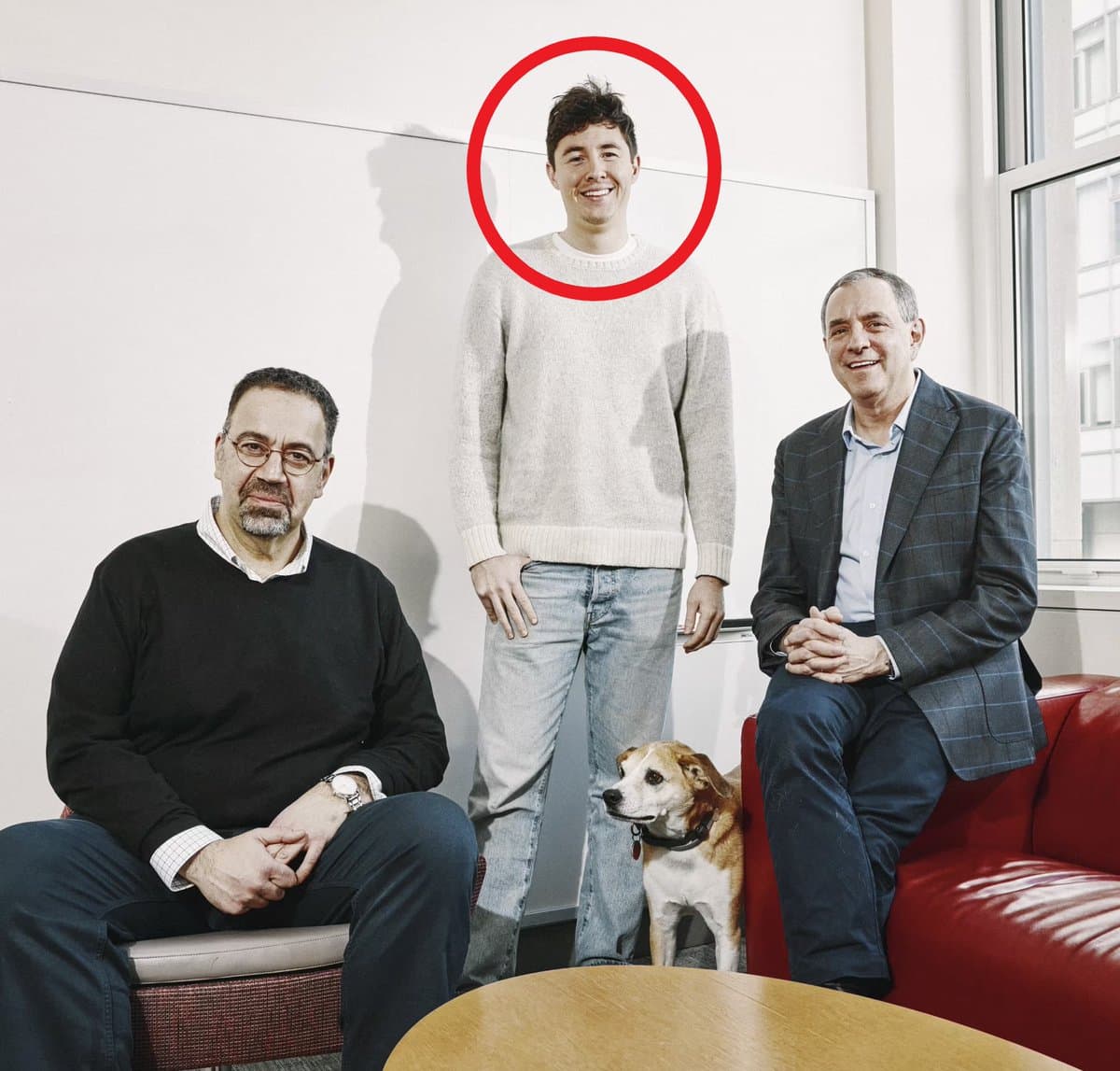
A groundbreaking study on artificial intelligence's workplace impact by MIT graduate student Aidan Toner-Rodgers, 27, has been disavowed by the Massachusetts Institute of Technology following revelations that its underlying data was fabricated. The research, which initially garnered significant attention and was even cited in Congress, claimed that AI tools could dramatically boost scientific discovery and innovation.
"He was a rockstar MIT student, dazzling the world with his groundbreaking research," stated The Wall Street Journal in a recent social media post, adding, "Now everyone is wondering if he just made all up." Toner-Rodgers' paper, published as a preprint, suggested that AI-assisted researchers discovered 44% more materials, increased patent filings by 39%, and saw a 17% rise in new product prototypes. These figures propelled him to academic fame, with features in major publications and mentorship from prominent economists, including Nobel laureate Daron Acemoglu.
However, questions soon arose regarding the veracity of his findings. MIT later issued a statement confirming it had "no confidence in the provenance, reliability or validity of the data and has no confidence in the veracity of the research contained in the paper." The university's decision came after Toner-Rodgers' mentors began to scrutinize his work.
In a WhatsApp message, Toner-Rodgers reportedly admitted to fellow students that he "faked the data-use agreement," calling it "a huge and embarrassing act of dishonesty." Companies cited in his research, Corning and 3M, also denied having conducted the experiments or sharing data with him as described in the paper. The incident underscores the intense pressures within academia, particularly in rapidly evolving fields like artificial intelligence, where the demand for novel research and data is exceptionally high.