Neuralink Implants Reach 12 Patients, Demonstrating Early Success in Brain-Computer Interface Technology
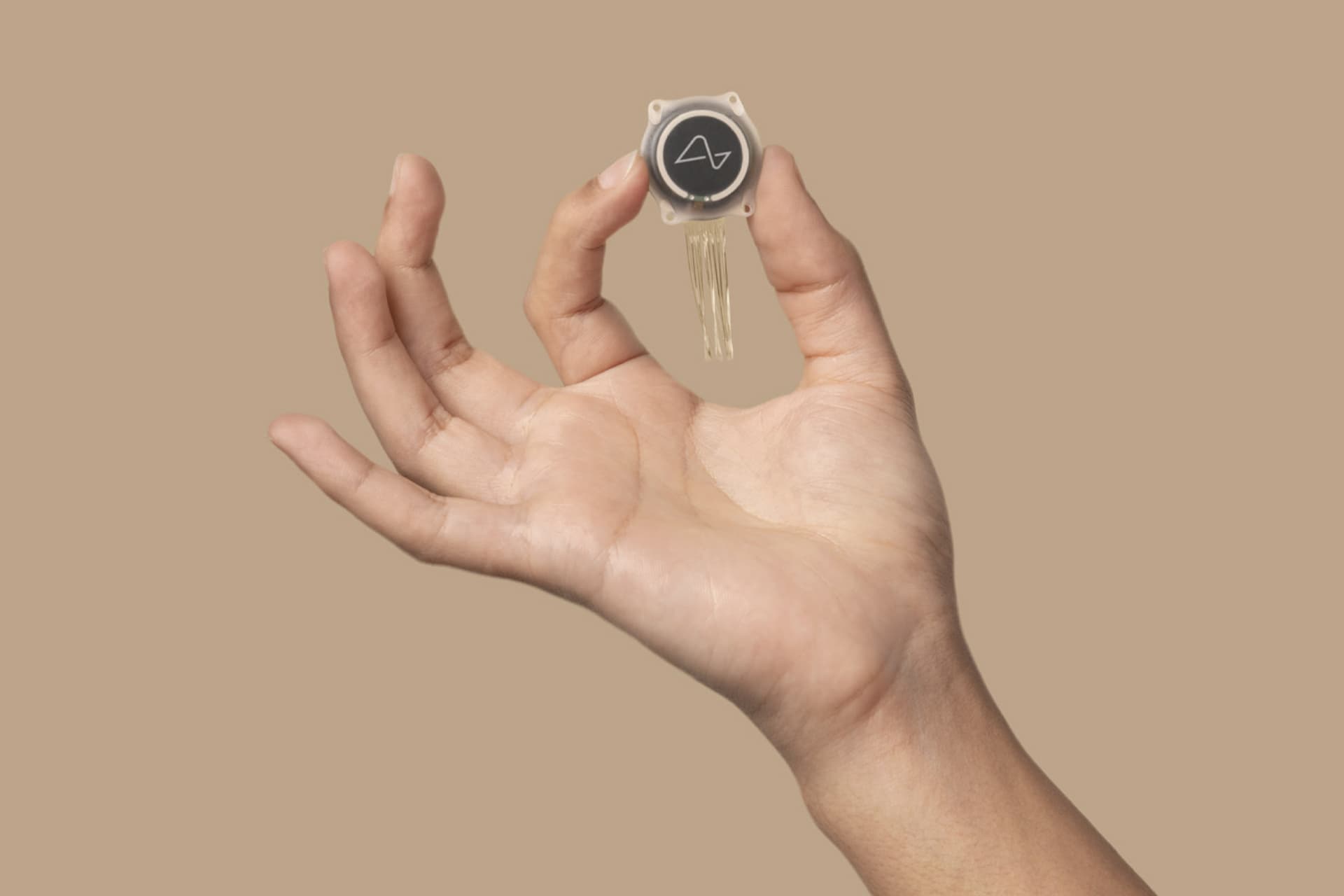
Neuralink, Elon Musk's brain-chip company, has announced that 12 individuals worldwide have received its brain-computer interface (BCI) implants as of September 2025, marking a significant step in its human trials. This expansion follows the initial implantation in January 2024, with patients like Noland Arbaugh showcasing promising early capabilities in controlling digital devices with thought. The company's progress has drawn both excitement and scrutiny as it navigates the complex landscape of neurotechnology.
The initial human trials, part of Neuralink's PRIME Study, aim to enable individuals with paralysis to control external devices using only their thoughts. First patient Noland Arbaugh, paralyzed from the neck down, has demonstrated the ability to play video games and navigate digital interfaces, with Elon Musk predicting that Neuralink recipients could eventually surpass human capabilities in fast-reaction tasks. This early stage of development prompted social media user Peer Richelsen to remark, > "this is the worst neuralink will ever be what a time to be alive," reflecting an optimistic view of the technology's future potential.
Neuralink received FDA approval for human trials in May 2023 after addressing safety concerns, and further secured Breakthrough Device Designation for speech restoration in May 2025. The company has also expanded its clinical trial recruitment to include Canada, with plans for further international expansion. An ALS patient, identified as Brad, has successfully used the implant to narrate and edit a YouTube video solely through brain signals, highlighting the device's potential for communication.
The company secured $650 million in a funding round in June 2025, pushing its valuation to $9 billion, which will accelerate trials and development in areas like restoring sight and speech. Despite these advancements, Neuralink faces ongoing ethical debates regarding animal testing and long-term safety, with some critics urging continued skepticism. As the technology progresses, it continues to spark discussions about the future of human-AI integration and the potential for transformative medical applications.