NIH Director Bhattacharya Reaffirms Anti-Lockdown Stance as Public Opposes Future School Closures by 20-Point Margin
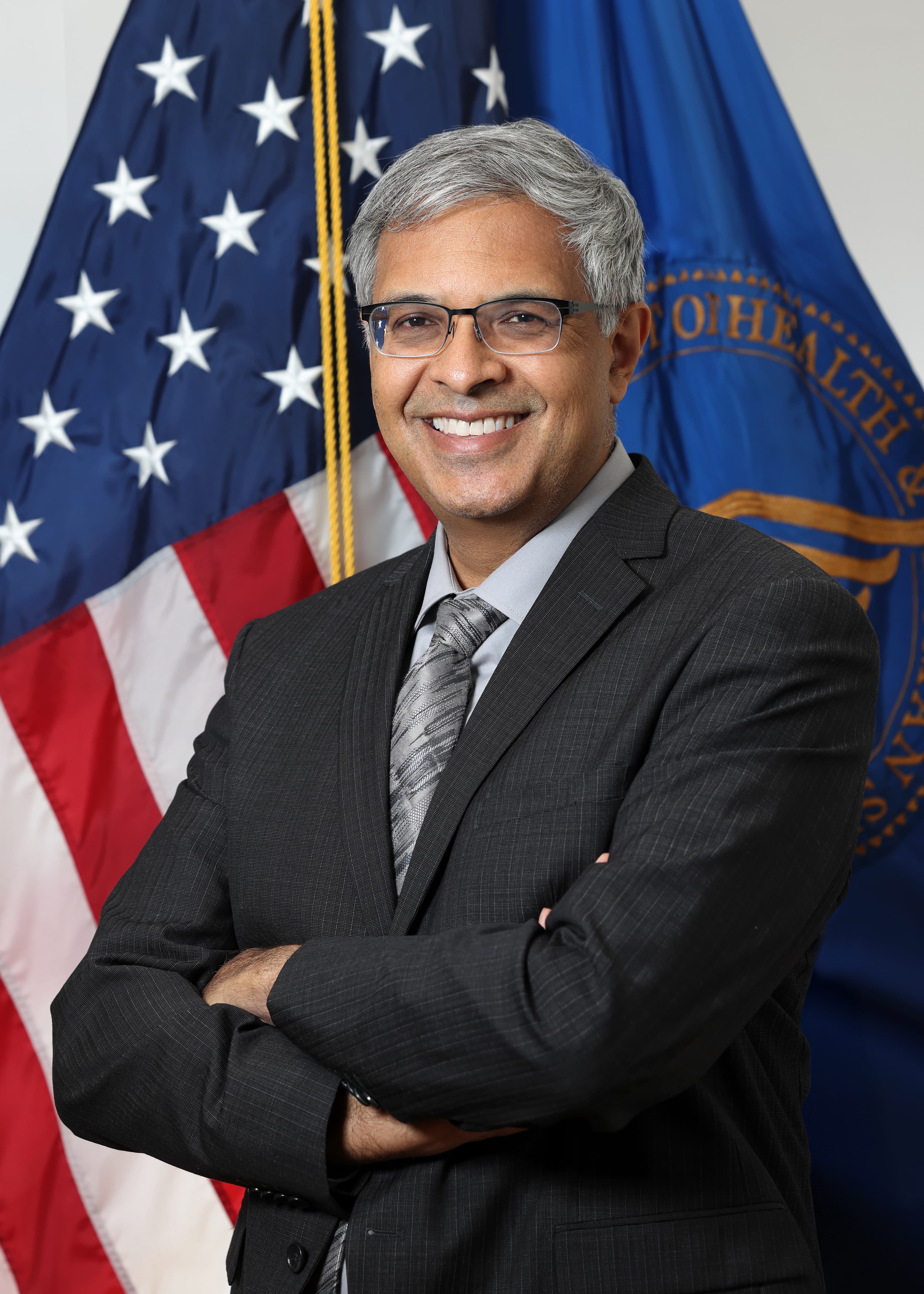
Dr. Jay Bhattacharya, Director of the National Institutes of Health (NIH), recently addressed criticism from a New York Times piece concerning his unwavering opposition to pandemic lockdowns. The prominent health economist stated he would not recommend such measures in the event of a future pandemic, aligning his views with recent public sentiment indicating a strong disinclination toward renewed restrictions. His comments underscore a significant divide in public health strategy following the COVID-19 era.
The New York Times article, published on November 26, 2025, highlighted Dr. Bhattacharya's "remarkably blunt answer" to future pandemics, which critics interpret as a "nothing" approach regarding traditional interventions like social distancing, masks, and vaccines. Instead, he and his deputy, Matthew Memoli, advocate for a strategy focused on making the population "metabolically healthy" prior to an emergency. This approach has drawn scrutiny, with some labeling it as "magical thinking" or having eugenic undertones.
Responding to the criticism, Dr. Bhattacharya asserted his position on social media, stating, "> A friend told me that the NYT just published a piece criticizing me, fearful I wouldn't recommend a lockdown if another pandemic came along. Not sure why that's a criticism. Lockdowns were the biggest public health disaster in history and it's true I won't ever recommend one!" He firmly believes that past lockdowns caused immense societal harm.
A recent poll cited in the November 26 New York Times article suggests a significant shift in public opinion, providing context for Dr. Bhattacharya's stance. While Americans largely supported school closures in retrospect, they would oppose closing them again under similar pandemic circumstances by a roughly 20-point margin. Furthermore, only 54 percent of respondents would support government investment in vaccine development, and even fewer would back mask mandates or restrictions on indoor dining.
Dr. Bhattacharya rose to prominence during the COVID-19 pandemic as a vocal critic of lockdowns and co-author of the Great Barrington Declaration in October 2020, which advocated for "focused protection" of vulnerable populations while allowing others to resume normal life. His appointment as NIH Director in September 2025 by the Trump administration signaled a significant shift in the nation's top medical research agency.
His leadership at the NIH has been marked by a commitment to scientific reform, addressing what he perceives as systemic issues within medical research. However, his tenure has also faced internal dissent, with NIH employees expressing concerns over proposed budget cuts and policy shifts they deem "harmful." The ongoing debate surrounding his pandemic philosophy continues to shape the future direction of public health policy in the United States.