NVIDIA GTS 250's Iconic Design Recalled 15 Years After Its 2009 Launch
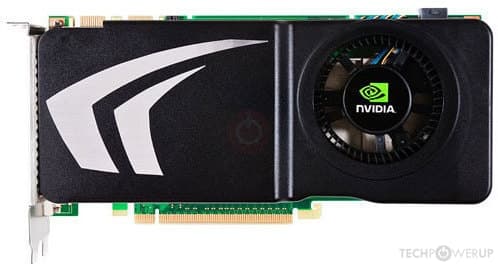
A recent social media post by user gabriel has ignited a wave of nostalgia among PC enthusiasts, reflecting on the NVIDIA GeForce GTS 250, a graphics processing unit (GPU) that made a significant impact in the mid-range market following its release in March 2009. The tweet highlighted the GPU's memorable aesthetic and its perceived power during the user's first PC build experience, underscoring the lasting impression of certain hardware designs.
The NVIDIA GeForce GTS 250 was largely a rebrand of the successful GeForce 9800 GTX+, built on the 55nm G92b core. It featured 128 stream processors, a 256-bit memory interface, and typically came equipped with 512MB or 1GB of GDDR3 memory. Positioned to compete with AMD's Radeon HD 4850, the GTS 250 offered a compelling balance of performance and affordability for gamers, quickly becoming a popular choice for mainstream systems.
Gabriel's tweet specifically lauded the GPU's visual characteristics, stating, > "look at those heat sinks, they remind me of the pipes of a harley davidson." This observation speaks to the distinctive cooling designs often found on the GTS 250, which frequently featured prominent dual-slot coolers with visible copper heat pipes and fin arrays. These robust cooling solutions were not only functional but also contributed to the card's imposing and memorable appearance.
NVIDIA's strategy with the GTS 250 was to simplify its product branding and extend the value of its proven G92b architecture. Despite being a rebrand, the card delivered solid DirectX 10 performance, capable of running many contemporary games at respectable frame rates. Its accessibility and performance played a crucial role in bringing advanced graphics to a broader audience during a period of rapid evolution in PC gaming.
The enduring sentiment for the GTS 250, as evidenced by gabriel's social media post, illustrates how specific hardware designs, coupled with their performance, can achieve iconic status. Beyond mere specifications, the aesthetic appeal and the personal experience of integrating such components often contribute significantly to their place in computing history. The GTS 250 remains a testament to a time when mid-range GPUs offered impressive capabilities in visually striking packages.