NVIDIA's CUDA Ecosystem Dominates Industrial Simulation, Challenging TPU Adoption
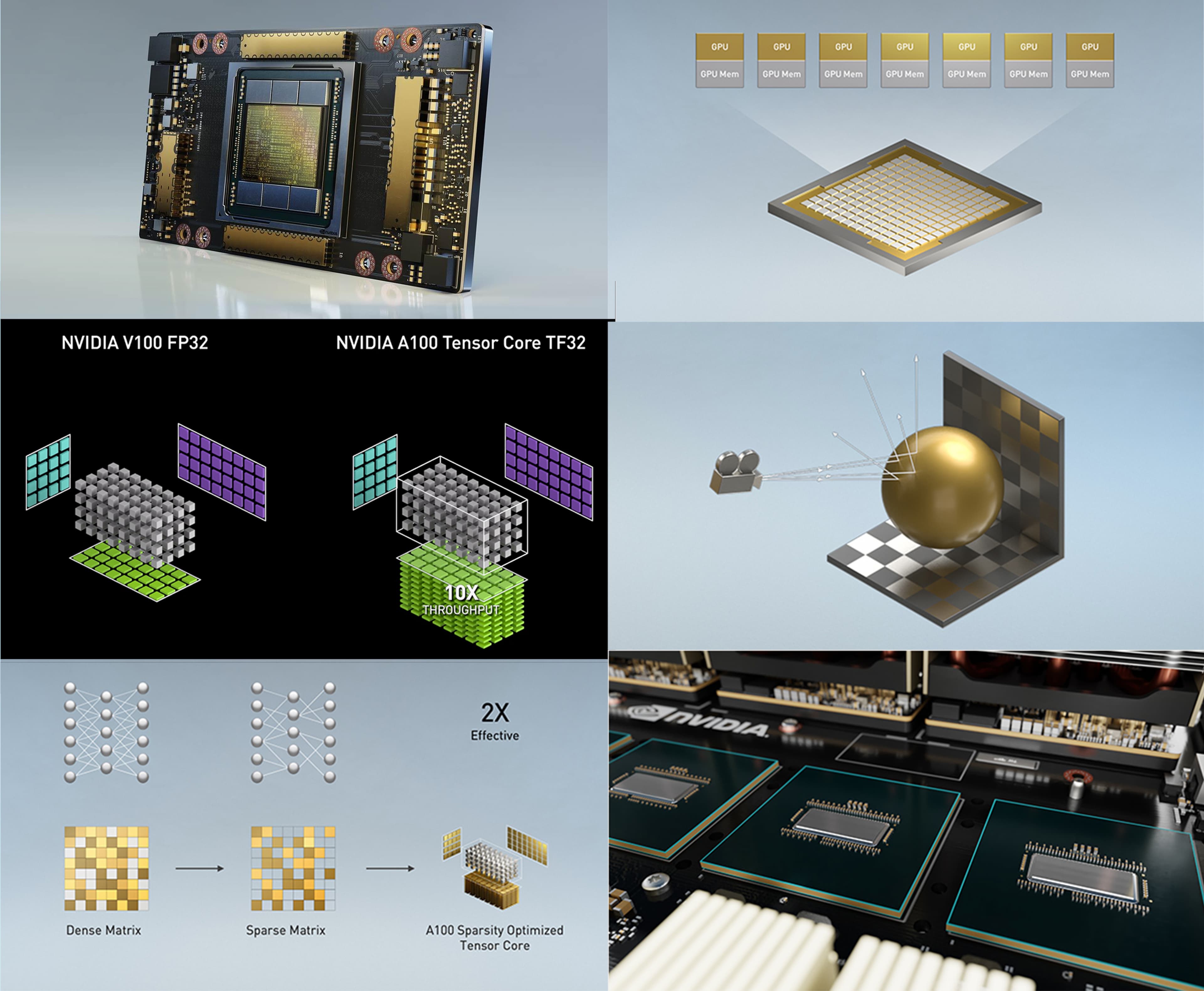
Santa Clara, CA – NVIDIA's long-established CUDA platform, with its extensive library ecosystem, remains a critical force in accelerating engineering and simulation across the $100 trillion industrial sector, according to industry observations. This deep integration is seen as a significant barrier for newer technologies like Google's Tensor Processing Units (TPUs) to displace the prevailing x86 architecture in these specialized fields.
Rohan Paul, an industry commentator, emphasized this point in a recent tweet, stating, "> GPU speed alone won’t move the $100T industrial world off x86. What matters is NVIDIA’s 15+ years building CUDA libraries across engineering and simulation fields. Something TPUs don’t have, yet." This highlights the comprehensive software stack and developer tools that underpin NVIDIA's market position.
NVIDIA's CUDA platform provides a robust development environment, including GPU-accelerated libraries, debugging tools, and compilers, enabling high-performance computing (HPC) and AI applications. This ecosystem, including CUDA-X libraries and the HPC SDK, is widely adopted in computer-aided engineering (CAE) for tasks like computational fluid dynamics (CFD), finite element analysis, and the creation of real-time digital twins. Major software vendors such as Ansys, Altair, Cadence, Siemens, and Synopsys have integrated NVIDIA's technologies, accelerating simulations by orders of magnitude.
In contrast, Google's TPUs, while powerful for AI workloads, particularly deep learning, have primarily focused on datacenter and cloud-based AI training and inference. The current public information indicates a less developed ecosystem for traditional industrial engineering and scientific simulation applications compared to CUDA. Google has been expanding TPU capabilities for various AI tasks, but a comparable, decades-long investment in specialized industrial simulation libraries and developer tools is not yet evident.
The industrial world's reliance on x86 architecture for general-purpose computing, combined with NVIDIA's specialized GPU acceleration through CUDA, creates a formidable incumbent advantage. The complexity and mission-critical nature of industrial simulations necessitate proven, deeply integrated software solutions, making the transition to new hardware platforms a significant undertaking without a mature and comprehensive software ecosystem. NVIDIA's recent $2 billion investment in Synopsys further solidifies its commitment to accelerating engineering design and simulation across various industries.