"One Big Beautiful Bill Act" Becomes Law, Reshaping US Tax and Environmental Policy
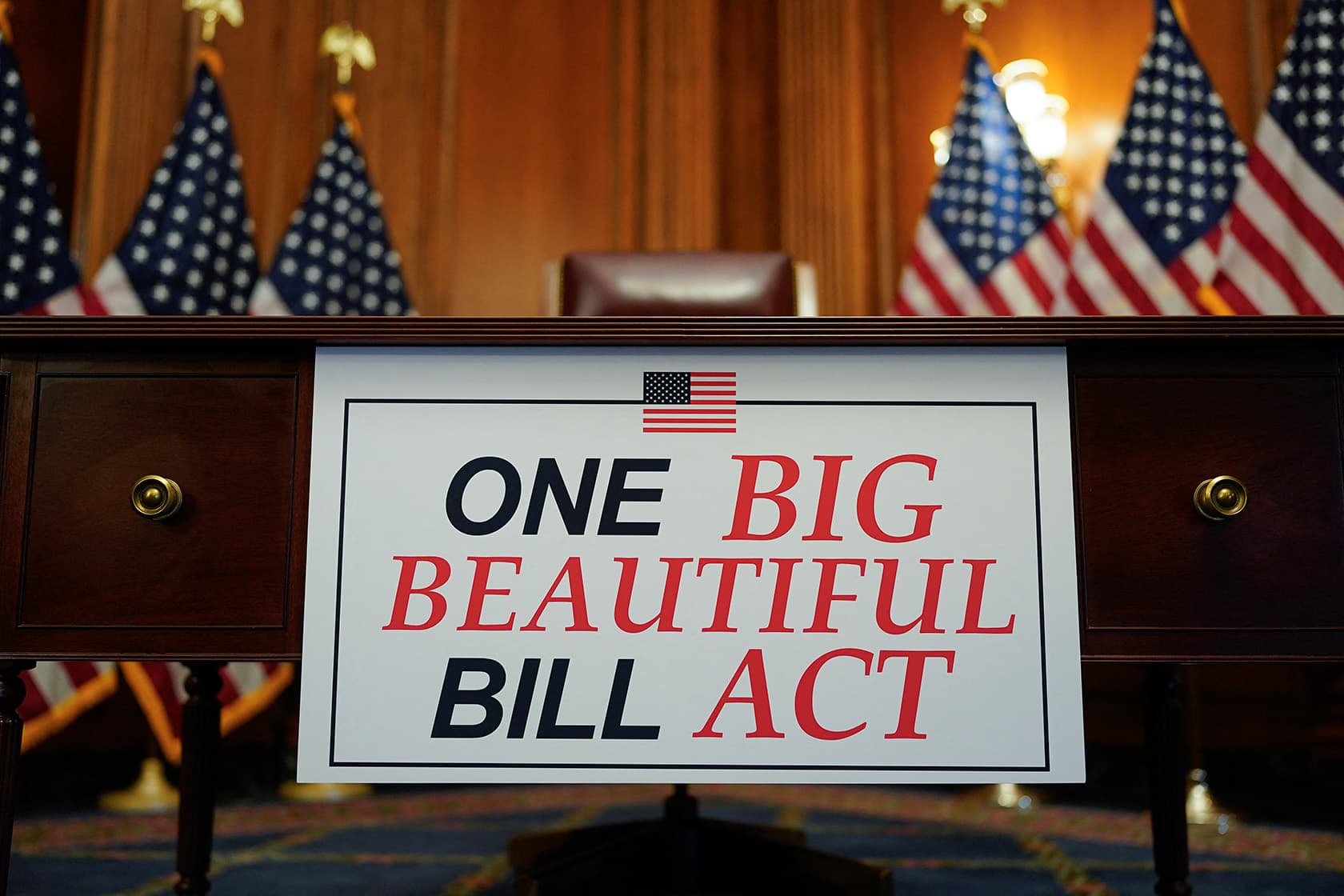
The comprehensive "One Big Beautiful Bill Act" (OBBBA) officially became law on July 4, 2025, triggering extensive debate among policy experts regarding its profound impact on federal tax policy and environmental initiatives. Alex Muresianu, a Senior Policy Analyst at the Tax Foundation, has been a key voice in analyzing the legislation, recently sharing a link on social media to further discussion on the act's implications. The sweeping legislation was passed through the budget reconciliation process, allowing it to bypass the Senate filibuster with a simple majority vote.
The OBBBA, a 900-plus-page megabill, enacts several significant changes, including a permanent extension of lower individual income tax rates from the 2017 Tax Cuts and Jobs Act. It also mandates cuts to nutrition assistance programs and Medicaid, marking the largest reduction in the program's history. Furthermore, the act phases out Biden-era clean energy tax credits and significantly boosts funding for border security, making U.S. Immigration and Customs Enforcement (ICE) the most heavily funded federal enforcement agency.
Muresianu's past analyses have often touched upon the efficacy of Pigouvian taxes as a market-driven solution for climate change. While the OBBBA prioritizes fossil fuel development and rescinds funds for numerous clean energy programs, the broader policy discourse continues to examine various approaches to environmental governance. The legislation expands drilling on public lands, mandates offshore lease sales, and streamlines environmental reviews, reflecting a shift in federal energy policy.
The act's provisions are expected to create both winners and losers across various sectors. While it benefits farm support programs, armed services, and certain technology and manufacturing industries, it poses significant challenges for state healthcare systems due to Medicaid cuts and for clean energy and climate programs facing reduced funding and expiring tax credits. Regulatory agencies like the Consumer Financial Protection Bureau and the SEC will also see changes to their funding and operational autonomy.
The OBBBA also tightens federal student loan rules, ending income-contingent repayment plans and capping loan amounts for graduate and professional students. This overhaul of tax and spending priorities underscores a pivotal moment in the nation's fiscal and environmental direction. The full economic and social consequences of this legislation will continue to unfold, prompting ongoing scrutiny from policy analysts and stakeholders alike.