Palantir CEO Alex Karp Dismisses Politically Motivated Employee Departures, Citing Small Numbers
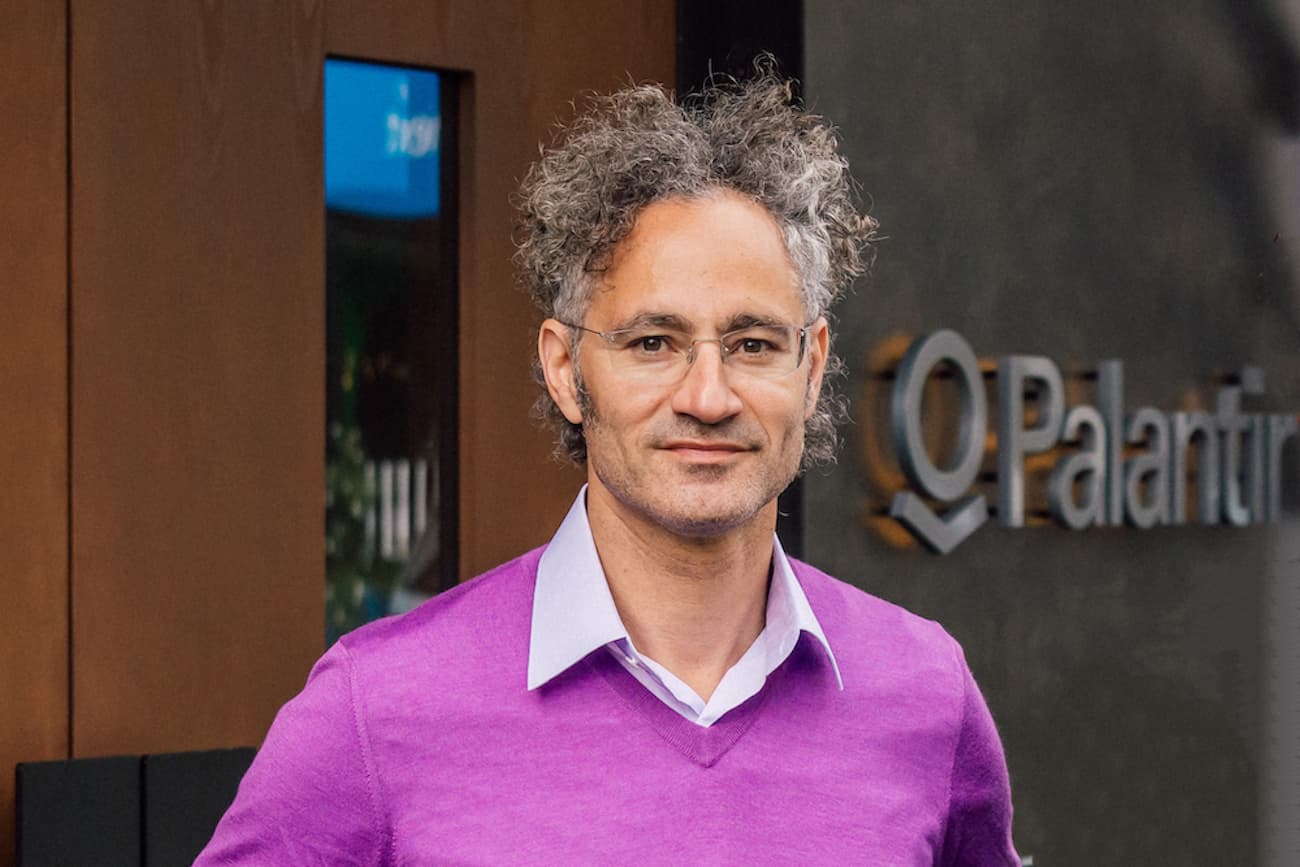
Palantir CEO Alex Karp recently downplayed the significance of employees leaving the company over political disagreements, asserting that such departures represent a minuscule fraction of former staff. Karp's comments, made via DealBook and Andrew Ross Sorkin, highlighted his stance on internal dissent related to the company's often-controversial work. This statement underscores Palantir's consistent position regarding its mission and values, even in the face of internal and external scrutiny.
Karp specifically addressed the issue, stating: > "We have 5k ex-Palantirians. You have 13, half of whom were like, in the humanities dept of Palantir. Which is like being in the printing press part of the NY Times. Very important, but no one’s listening to your opinion." This remark suggests a perceived disconnect between the concerns of these departing individuals and the company's core operational objectives. The reference to a "humanities dept" likely alludes to employees focused on social theory or political ethics, a perspective Karp has previously contrasted with the company's primary engineering and defense-oriented work.
Palantir, a data analytics firm co-founded by Karp and Peter Thiel, has a long history of securing lucrative government contracts, including with U.S. defense agencies, intelligence communities, and Immigration and Customs Enforcement (ICE). These partnerships have frequently drawn criticism from civil liberties advocates and some employees, leading to past instances of internal dissent and resignations. Karp has consistently defended Palantir's role in supporting Western governments and national security, often framing the company's work as essential for global stability.
The CEO's recent comments align with his past statements, such as his willingness to lose staff over his pro-Israel views, as reported in March 2024. He has also previously defended Palantir's work with the Trump administration despite employee pushback, emphasizing that the company's mission often transcends individual political sentiments. Karp, who holds a Ph.D. in neoclassical social theory, has also championed initiatives like Palantir's "Meritocracy Fellowship," which offers high school graduates an alternative to traditional college education, including seminars on Western Civilization and philosophy, potentially reflecting his view on practical versus theoretical contributions.
Karp's dismissal of these departures reinforces Palantir's corporate culture, which prioritizes its strategic objectives and government partnerships above internal political disagreements. The company's leadership maintains that its foundational purpose is to "defend the West," a mission that, according to Karp, necessitates a steadfast approach even if it means some employees choose to leave. This firm stance highlights the ongoing tension between Palantir's strategic vision and the ethical concerns raised by a segment of its workforce.