Persistent Yellow Hue Affects ChatGPT's Image Generation, Drawing User Scrutiny
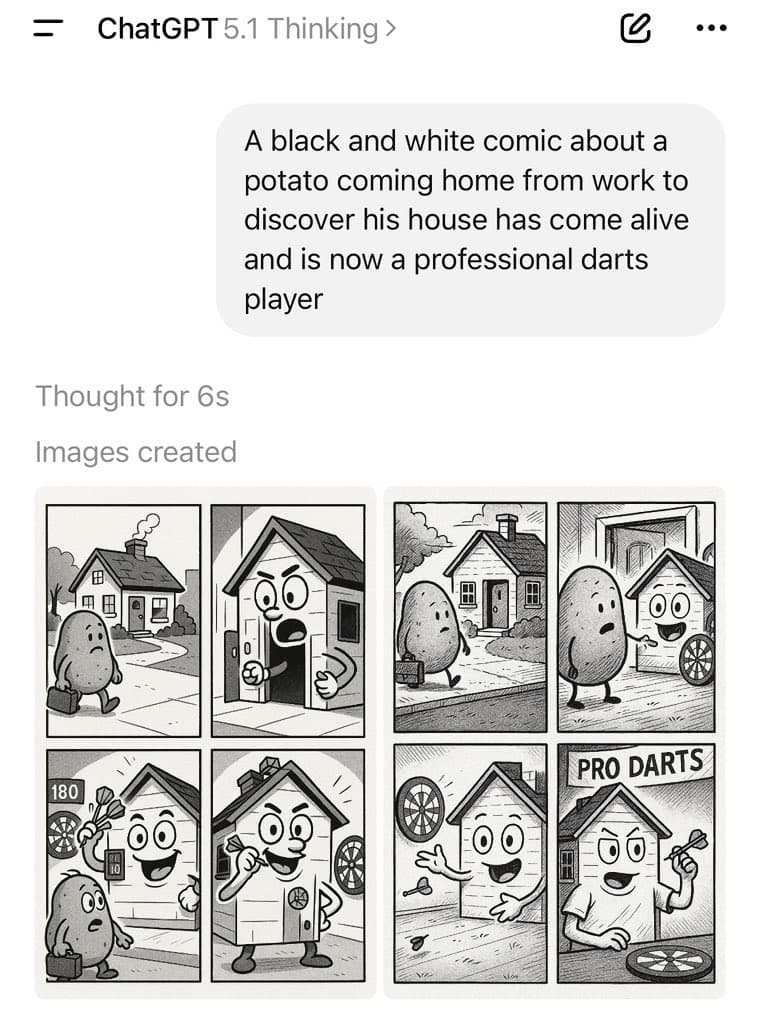
A long-standing and unexplained "ubiquitous yellow tint" in ChatGPT's image generation capabilities has drawn attention from prominent users, including academic and author Ethan Mollick. The issue, which reportedly lacks a fix or official explanation, distinguishes ChatGPT's image output from other leading AI image generation models. The persistent color cast raises questions about the underlying technology and user experience.
On December 3, 2025, Ethan Mollick, a professor at the Wharton School, publicly questioned the phenomenon, stating in a tweet, > "Its weird that there was never a fix for the ubiquitous yellow tint in ChaGPT imagegen. Was there ever an explanation for why it happens? It is something that no other major image generation model does & I have long been curious why." His observation highlights a perceived deficiency in the platform's visual fidelity.
Online discussions and user forums corroborate Mollick's observation, with many users reporting a noticeable yellow or greenish cast in images generated by DALL-E 3, the model integrated into ChatGPT Plus, and even OpenAI's Sora. This color shift often affects skin tones and overall image temperature, leading to less natural-looking results. Several users have developed workarounds, such as including specific color correction prompts like "no yellow hue" or "neutral color temperature," to mitigate the effect.
The issue appears to be particularly prevalent with DALL-E 3, which is known for its strong adherence to prompt instructions and integration with conversational AI. Other major image generation models, such as Midjourney and Stable Diffusion, do not typically exhibit this consistent yellow tint. This discrepancy suggests a specific technical characteristic or calibration within the DALL-E 3 system or its implementation within ChatGPT.
The lack of a public explanation or dedicated fix for such a widespread visual artifact has puzzled users and experts alike. While AI image generation technology continues to advance rapidly, consistent output quality and color accuracy remain critical for broad adoption and professional applications. The ongoing presence of this yellow tint underscores challenges in fine-tuning complex generative AI models for diverse visual outputs.