Prediction Market Traders Embrace Volatility Selling Strategies Amid Evolving Landscape
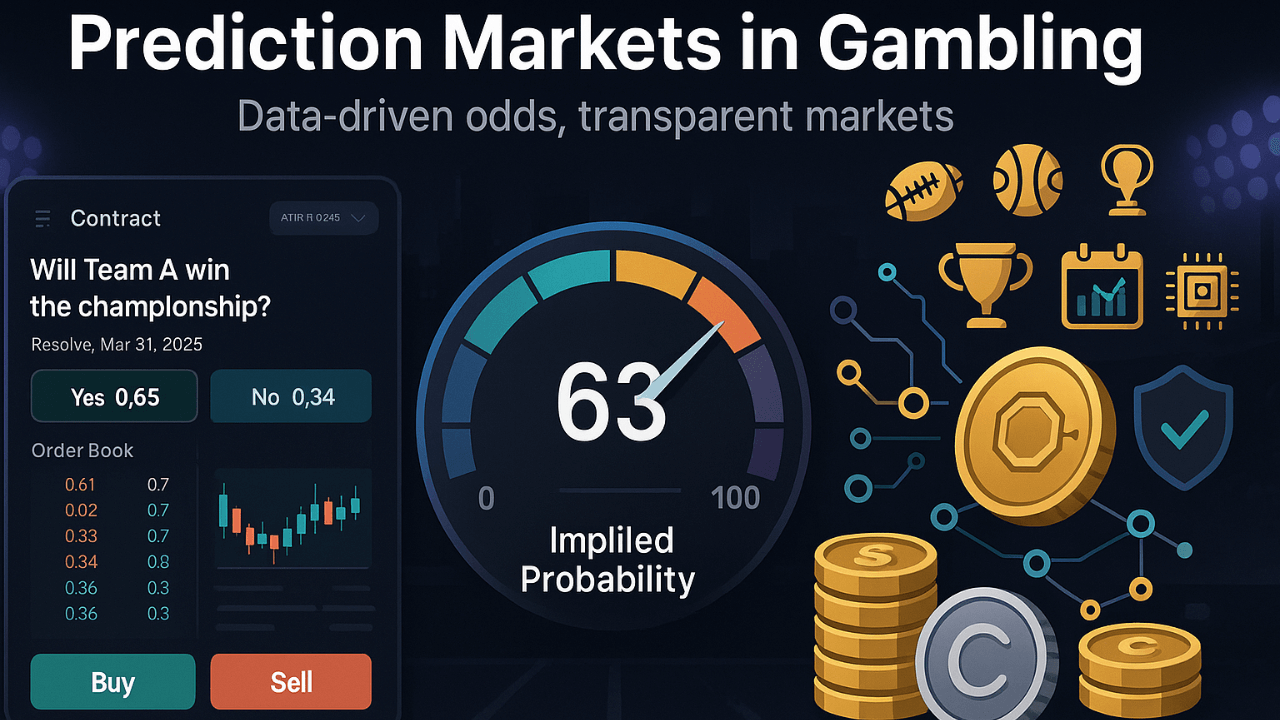
Prediction market traders are increasingly incorporating volatility selling into their strategies, signaling a growing sophistication in how participants approach these unique financial platforms. The trend, highlighted by social media user Chiefingza, suggests a shift towards profiting from market stability rather than just directional bets on future events.
Volatility selling, in traditional finance, involves strategies where traders profit when the price of an asset remains stable or moves within a narrow range. This is typically achieved by selling options, such as covered calls or naked puts, or more complex strategies like straddles and strangles. These positions aim to collect premiums, benefiting from the time decay of options and the market's overestimation of future price swings.
In the context of prediction markets, this strategy adapts to the nature of event contracts. Instead of betting on a specific outcome's occurrence, traders are learning to profit from the lack of significant movement in the probability of an event. For instance, if a market is pricing an event at 70% likelihood and traders believe this probability will remain relatively stable, they can employ vol-selling tactics to earn income from the market's perceived uncertainty.
This approach offers potential benefits, particularly in periods where event probabilities are expected to consolidate or when there is an overpricing of uncertainty. However, it carries substantial risks. Unexpected shifts in public sentiment, new information, or unforeseen events can lead to sharp increases in volatility, potentially resulting in significant losses for those with short volatility positions.
The increasing adoption of such advanced strategies underscores the maturation of prediction markets. As these platforms continue to grow, particularly on blockchain networks, participants are exploring more complex financial instruments and techniques, moving beyond simple binary outcome predictions to more nuanced forms of speculation and risk management.