Pundit Matthew Yglesias Challenges Logic of US Land Acknowledgments
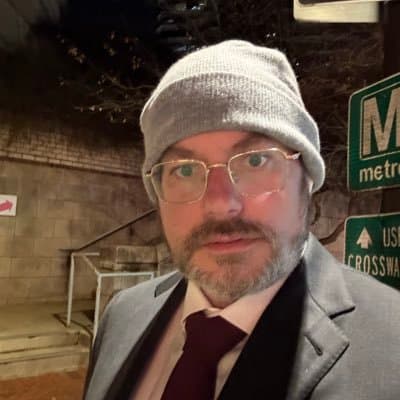
Matthew Yglesias, a prominent political pundit and author of the Substack newsletter Slow Boring, has sparked debate with a recent social media post questioning the rationale behind standard US land acknowledgments. Yglesias's tweet, published on November 30, 2025, criticized the common practice, stating, "The standard US land acknowledgment catechism posits that the legitimate owner of the land is whichever group happened to have stolen just before the white settler stole it, which doesn’t make any sense."
This statement highlights a growing discussion regarding the efficacy and underlying assumptions of land acknowledgments, which have become increasingly prevalent in academic, corporate, and public settings across North America. Proponents view these acknowledgments as a crucial first step toward recognizing Indigenous sovereignty and the historical injustices of colonization. They aim to raise awareness of Indigenous presence and rights, fostering a more inclusive environment.
However, Yglesias's critique echoes sentiments from other commentators who argue that such acknowledgments can be performative or oversimplified. Critics often point out that these statements, if not accompanied by concrete actions, risk becoming "conscience-clearing rites" that do not genuinely advance Indigenous causes or address systemic issues. Some Indigenous voices have also expressed concerns that poorly executed acknowledgments can inadvertently undermine Indigenous sovereignty by misrepresenting historical land ownership or focusing solely on past dispossession without addressing ongoing challenges.
The practice of land acknowledgment has roots in Canada, Australia, and New Zealand, where it has been common for some time, and has gained traction in the United States more recently. While some see them as a vital educational tool, others, including Yglesias, contend that they can present a simplified or even contradictory view of complex historical land claims and transfers, particularly when multiple Indigenous groups may have occupied the same territories over time. The ongoing conversation underscores the need for deeper engagement with Indigenous histories and contemporary issues beyond symbolic gestures.