Queen Anne Endured 17 Pregnancies with No Surviving Heir, Sparking Succession Crisis
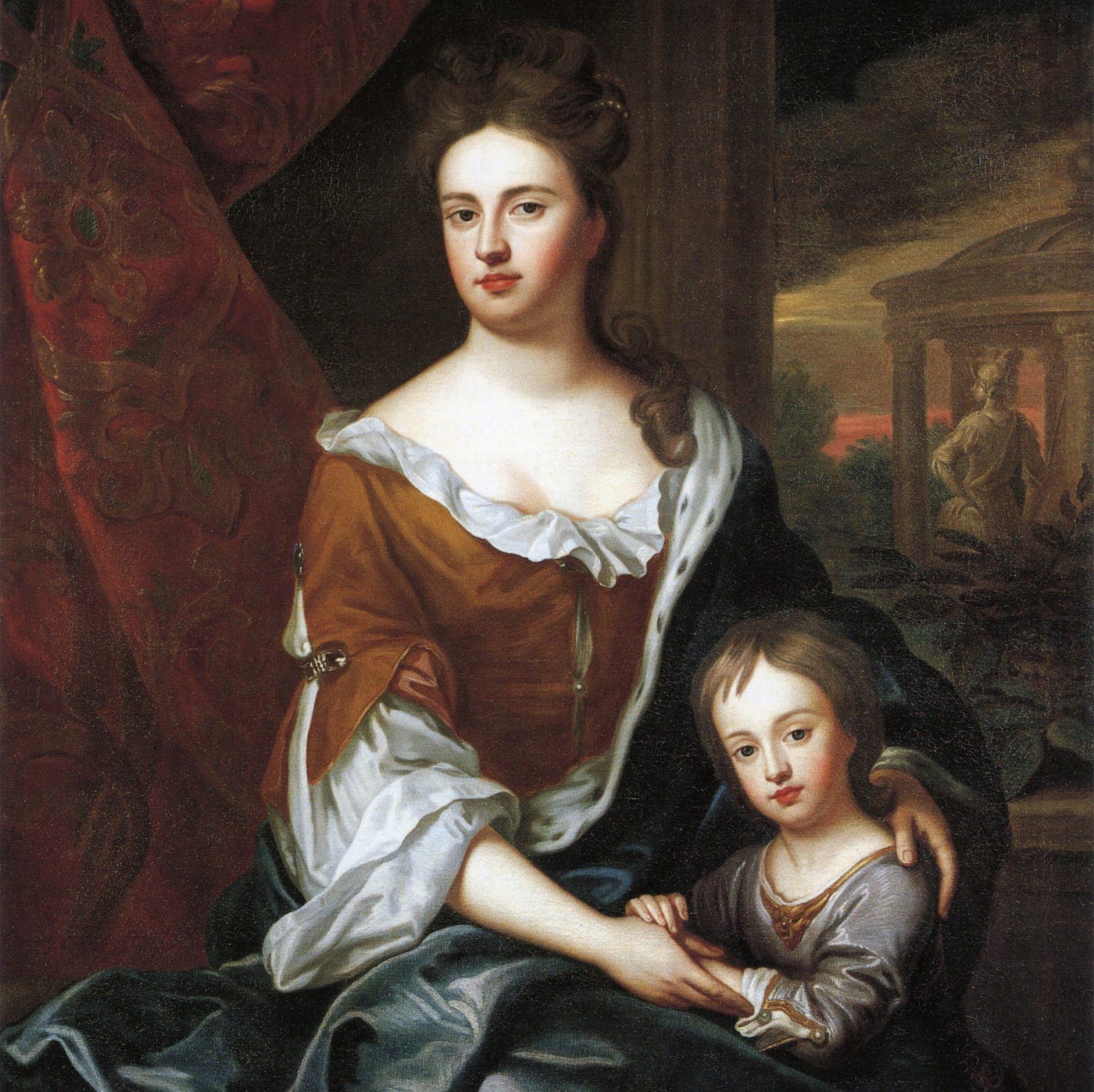
Queen Anne, the last monarch of the House of Stuart, experienced a profound personal tragedy and dynastic challenge, enduring 17 pregnancies with only one child surviving past infancy, who then died at age eleven. This devastating reproductive history, highlighted in a recent social media post, underscores the immense pressure on the 18th-century monarch and its significant historical ramifications.
"Queen Anne was pregnant 17 times, 5 of which lead to births, and the longest living one died at age eleven," stated a social media user, drawing attention to the Queen's struggles.
Historical records confirm Anne's arduous journey to secure an heir. Of her 17 pregnancies, five resulted in live births, but four of these children died before reaching their second birthday. Her only son to survive infancy, Prince William, Duke of Gloucester, tragically passed away at the age of 11 in 1700, plunging the succession into uncertainty.
Medical historians have proposed several theories for Queen Anne's repeated pregnancy losses and the poor health of her children. Leading hypotheses include systemic lupus erythematosus (SLE) or antiphospholipid syndrome (APS), both autoimmune disorders that can cause recurrent miscarriages and stillbirths. Other suggested causes range from listeriosis and diabetes to intrauterine growth retardation and rhesus incompatibility, though some of these are less consistent with the full pattern of her pregnancies.
Beyond the personal grief, Anne's inability to produce a surviving heir had profound political consequences. Her death in 1714 without living issue led to the end of the Stuart dynasty and the ascension of the House of Hanover to the British throne, as dictated by the Act of Settlement of 1701. This pivotal moment reshaped the course of British history, demonstrating the critical role of royal succession in an era before modern medicine could address such complex health challenges.