San Francisco Sobering Center Recommended for Individual at Polk and Vallejo
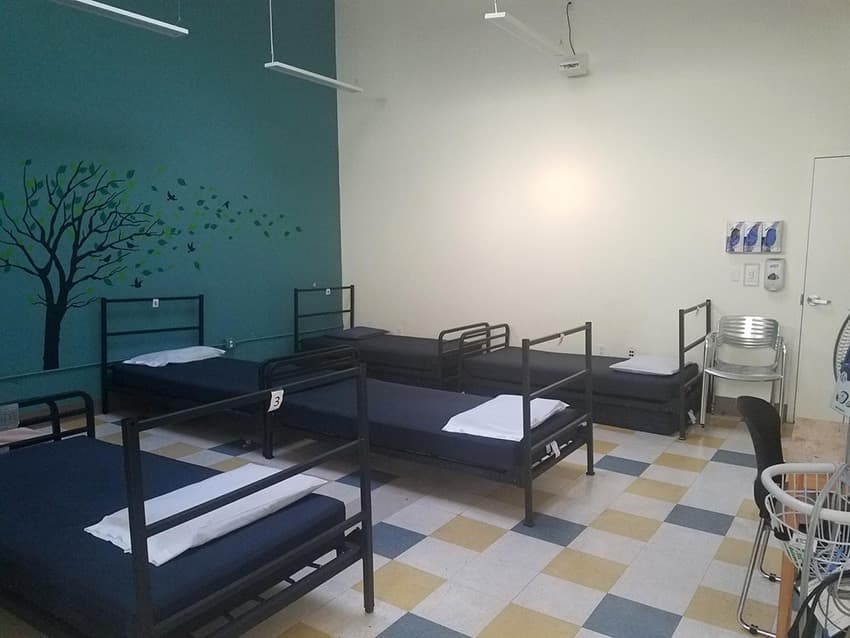
San Francisco, CA – An individual observed at the intersection of Polk and Vallejo streets was recommended for transport to a sobering center, as reported by The Marina Times. The tweet, posted by the local news outlet, stated, "Quick get this person to the sobering center for a recliner and some hot cocoa." This suggestion highlights San Francisco's ongoing strategy to address public intoxication through supportive services rather than relying solely on emergency medical or law enforcement interventions.
San Francisco's Sobering Center, a 12-bed facility, provides a safe and monitored environment for adults acutely intoxicated by alcohol or other substances. Established in 2003, the center offers short-term stays, typically four to twelve hours, allowing individuals to sober up while receiving basic care such as beds, showers, and nutritional support. This approach aims to prevent further harm to individuals and alleviate the burden on overcrowded emergency departments and the criminal justice system.
A significant majority of individuals utilizing sobering centers, estimated between 65% and 70%, are experiencing homelessness or housing insecurity. Data indicates that frequent users of these centers are often homeless and contend with co-occurring chronic medical conditions, mental health challenges, and substance abuse disorders. The San Francisco Sobering Center, located at 1171 Mission Street, acts as a critical link, connecting this vulnerable population to essential community resources, including primary healthcare, shelter services, and addiction treatment programs.
The Sobering Center is a cornerstone of the city's public health strategy, demonstrating substantial cost savings by diverting non-life-threatening intoxication cases. Experts estimate that such diversions save the U.S. healthcare system between $230 million and $1 billion annually. The San Francisco model, funded by the Department of Public Health, is nationally recognized for its direct intake of individuals referred by emergency medical services and law enforcement personnel.
The Marina Times, a local publication focusing on San Francisco's Marina District and surrounding areas, often covers community issues. While the tweet did not elaborate on the individual's specific condition, its recommendation for a sobering center underscores a community-oriented response to public intoxication. This approach prioritizes compassionate care and connection to vital services, reflecting a broader shift away from punitive measures for individuals struggling with substance use and homelessness in urban environments.