Shifting Sands: Examining Contemporary Left-Wing Political Discourse
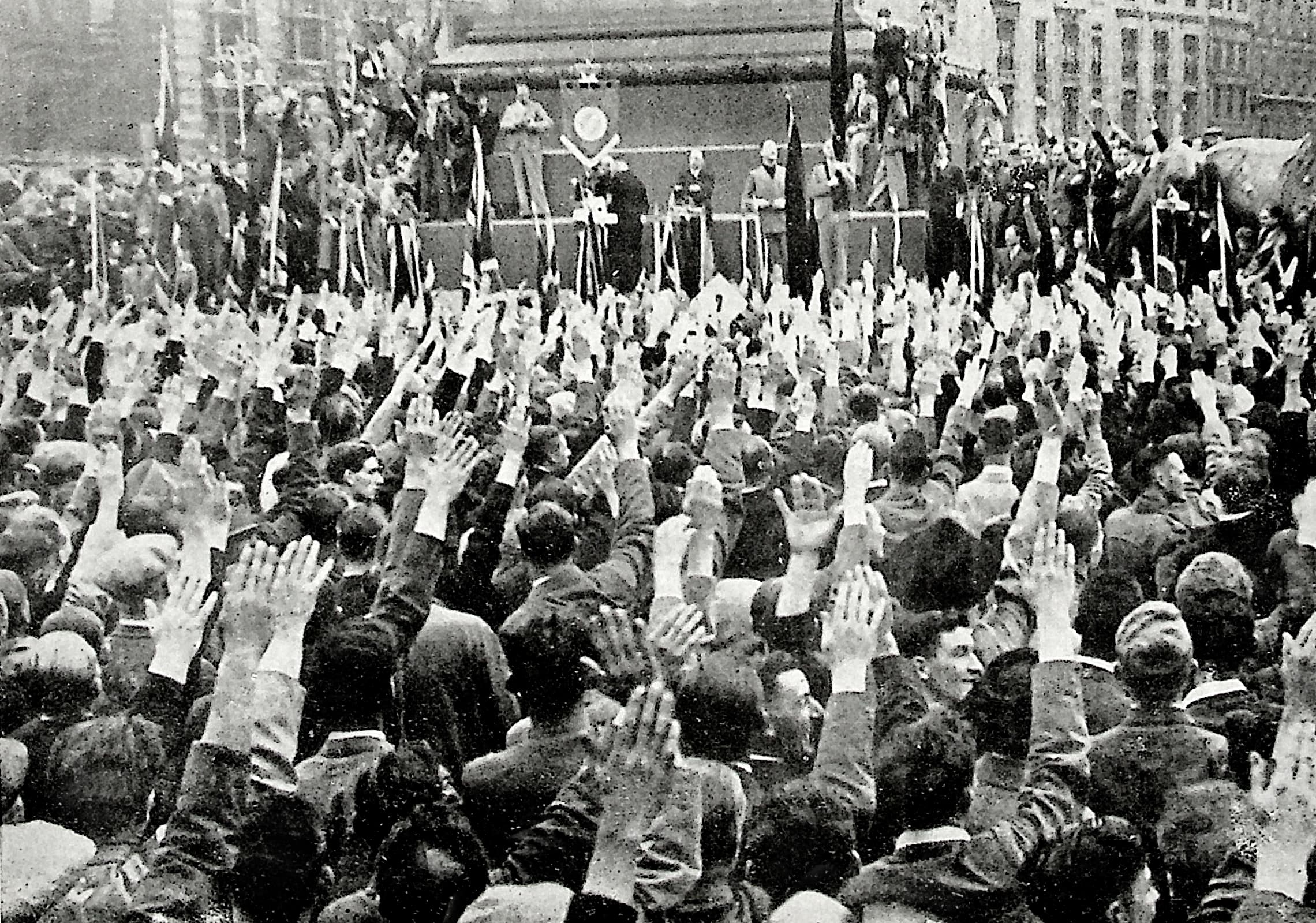
Recent discussions highlight the evolving landscape of left-wing political discourse, particularly within Western democracies. This discourse is characterized by a complex interplay of traditional socialist ideals, emerging social justice movements, and responses to global challenges. The term "left-wing political discourse" itself encompasses a broad spectrum of ideologies, from social democracy to more radical anti-capitalist positions.
Core to contemporary left-wing thought is a continued emphasis on social equality and egalitarianism, often challenging existing social hierarchies. Historically, left-wing movements have advocated for robust government intervention in the economy and the establishment of welfare states. Today, this translates into calls for economic justice, wealth redistribution, and stronger social safety nets, alongside critiques of globalization and its perceived exploitative nature.
A significant theme in current discourse revolves around the concept of "left-wing populism," which combines left-wing politics with anti-elitist rhetoric. This approach often champions the "common people" against established power structures, including both political and economic elites. Examples include movements in Latin America and, more recently, parties like Syriza in Greece and Podemos in Spain, which have challenged traditional political norms.
The influence of social media has profoundly reshaped how left-wing ideas are disseminated and debated. Online platforms have become battlegrounds for political speech, with discussions around content moderation, "cancel culture," and the amplification of certain narratives. This digital environment has both empowered grassroots movements and intensified internal ideological debates within the left.
However, the left also faces significant challenges, including a perceived decline in traditional left-wing parties in some Western democracies. Experts suggest that these parties struggle to articulate clear stances on rapidly changing economic landscapes, reconcile welfare-state policies with employment precarity, and adapt to the rise of individualism. The need for a clear programmatic vision and a refocus on economic issues is often cited as crucial for revitalization.