Snigdha Kapoor's "Holy Curse" Garners Acclaim for Exploring Repressive Cultural Norms
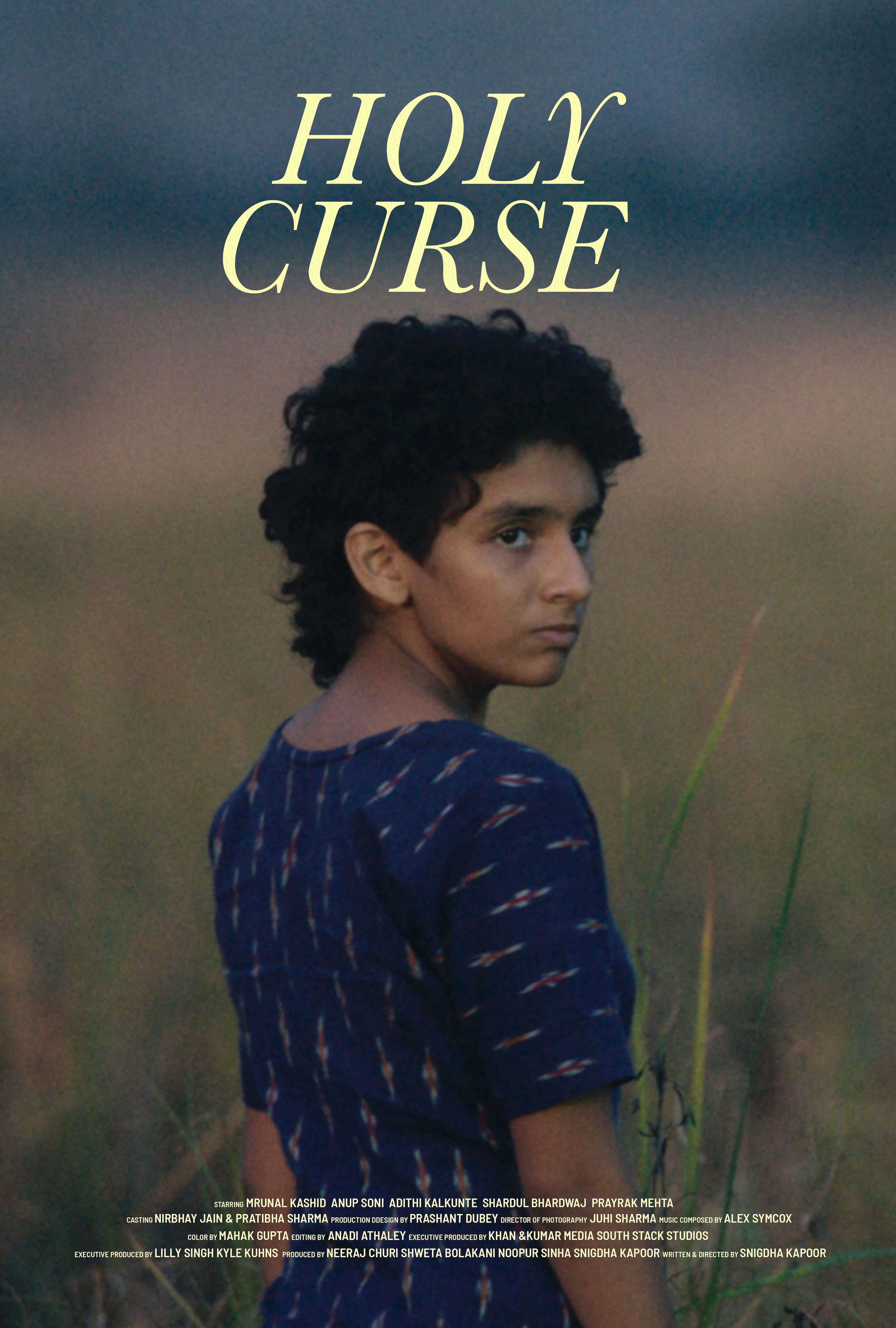
New York, NY – Indian filmmaker Snigdha Kapoor's short film "Holy Curse" is drawing significant attention for its poignant exploration of how "repressive cultural norms can be enforced even by well-meaning people," as noted by Holden Seidlitz in a recent review for The New Yorker. The film, which premiered at the 68th BFI London Film Festival, has since garnered numerous accolades, including the Jury Award for Best Short Film at the Tasveer Film Festival, making it eligible for the 2026 Academy Awards.
"Holy Curse" centers on Radha, an 11-year-old U.S.-based Indian preteen grappling with gender identity during a family visit to India. Their family interprets Radha's burgeoning queerness as an ancestral "curse" and subjects them to orthodox rituals in an attempt to "cure" them. Director Snigdha Kapoor, drawing from her own experiences, uses claustrophobic shots and handheld close-ups to mirror Radha's internal agitation and the societal pressures they face.
The film's narrative is deeply personal for Kapoor, who revealed that the character of the uncle, who arranges the cleansing ritual, was inspired by her own grandfather. "I grew up thinking I was a boy," Kapoor shared, explaining how her body's changes led to societal policing. She taught herself to write to address the lack of nuanced portrayals of the South Asian diaspora, particularly concerning gender identity.
Adding to the film's growing prominence, global entertainer Lilly Singh recently joined "Holy Curse" as an executive producer. Singh stated, "Stories like this don’t just challenge norms, they create space for people to see themselves with dignity. It’s an honor to help champion its journey." The film has received praise for its powerful portrayal of the tension between personal identity and familial expectations, earning awards for Best LGBTQ+ Short at Flickerfest and jury prizes from Reeling in Chicago and the Indian Film Festival of Los Angeles.