Stability AI Releases Stable Diffusion 3 Medium, Offering Free Access to Advanced Image Generation
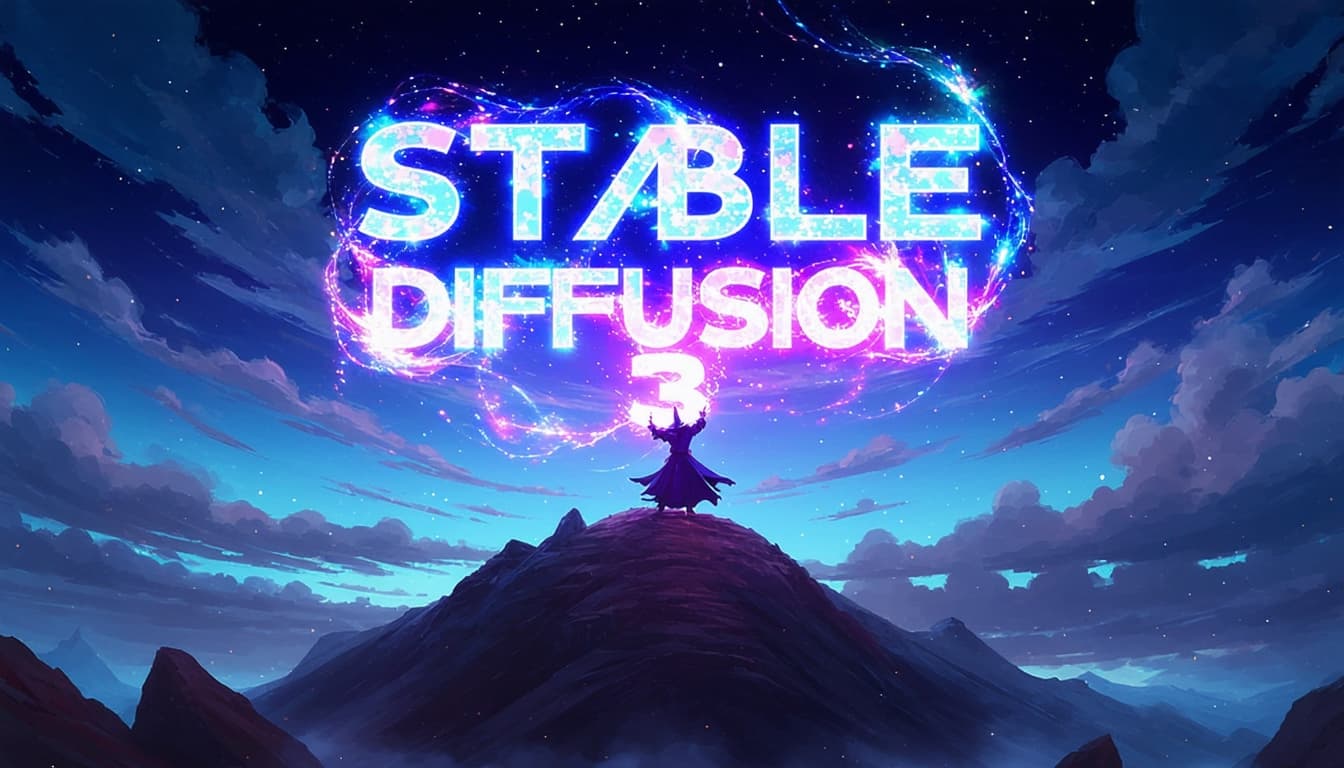
On June 12, 2024, Stability AI, a prominent leader in generative artificial intelligence, released Stable Diffusion 3 Medium, a powerful new open-source text-to-image model. This significant development provides free access to state-to-art image generation capabilities, prompting enthusiastic reactions across the AI community. Social media commentator Rohan Paul encapsulated the sentiment, stating in a recent tweet, > "These guys never stop. Now they are giving top SOTA img generation models free."
Stable Diffusion 3 Medium represents a substantial leap forward in image synthesis technology, offering marked improvements in prompt adherence, overall image quality, and the ability to generate multiple subjects within a single image. The model's enhanced architecture allows for more nuanced interpretations of complex text prompts, leading to more accurate and visually compelling outputs. Its release underscores a continued commitment to pushing the boundaries of accessible AI.
The decision to make Stable Diffusion 3 Medium freely available for both personal and commercial use significantly democratizes access to advanced AI tools. This move empowers developers, researchers, and creators worldwide to integrate cutting-edge image generation into their projects without prohibitive licensing costs. It fosters an environment of rapid innovation and collaboration within the open-source AI ecosystem, accelerating the development of new applications and creative endeavors.
Stability AI's release aligns with a broader industry trend of major AI players contributing to the open-source movement, even as some also pursue proprietary models. For instance, Meta, a key developer in AI research, similarly open-sourced its Llama 3 large language model in April 2024, signaling a strategic embrace of community-driven development. This dual approach helps to drive both commercial innovation and widespread technological advancement.
The availability of models like Stable Diffusion 3 Medium is expected to fuel a new wave of creativity and practical applications across various sectors, from digital art and marketing to product design and education. As these powerful tools become more accessible, the pace of AI integration into daily life and specialized industries is set to increase. The ongoing competition and collaboration in the open-source space promise even more sophisticated and accessible AI models in the near future.