Tesla Glass Durability and Urban Safety Trends Spark Discussion on Auto Repair Landscape
A recent social media post by Rakesh Agrawal has ignited discussion regarding the durability of Tesla vehicle glass and the broader economic implications of urban safety initiatives on the auto repair industry. Agrawal shared an observation from a non-Tesla glass shop owner, who noted a significant number of broken Tesla vehicles requiring repair, alongside a comment that "having safer streets has made for less work for glass shops." Agrawal expressed anticipation for a car-free lifestyle, stating, "Looking forward to not having a car."
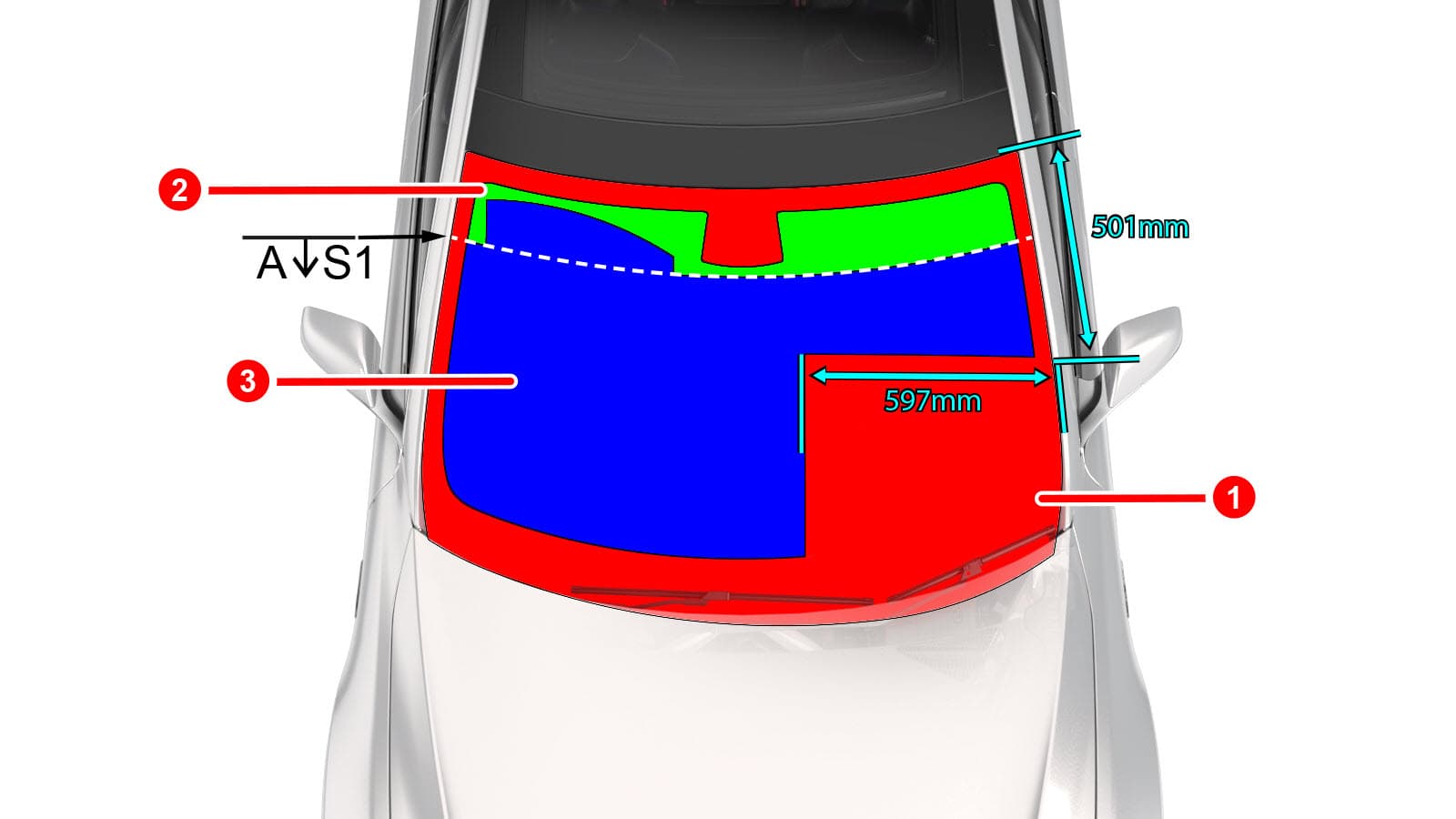
The glass shop owner's comment about frequently repairing broken Teslas aligns with ongoing reports from Tesla owners. Many have cited issues with the fragility of Tesla windshields, roof glass, and other windows, leading to high replacement costs and sometimes extended wait times for parts. Tesla has recently introduced a "Windshield Protection Plan" as a subscription service, offering one free windshield replacement annually with a $100 co-pay for subsequent replacements, suggesting an acknowledgment of frequent glass damage.
The assertion that "safer streets" reduce business for glass shops points to a broader trend in urban planning. Initiatives like "Vision Zero" aim to eliminate traffic fatalities and serious injuries through improved infrastructure, lower speed limits, and enhanced pedestrian and cyclist safety. While these efforts are primarily focused on public safety, a reduction in traffic accidents could logically lead to fewer vehicle collisions and, consequently, less demand for collision-related repairs, including glass replacement.
The tweet also touches upon the growing interest in car-free living, a movement gaining traction in urban areas. This trend is driven by environmental concerns, a desire for reduced personal expenses, and the development of comprehensive public transportation and micro-mobility options. As more individuals opt out of car ownership, the overall demand for automotive services, including glass repair, could see a long-term decline. This shift, combined with advancements in vehicle safety, paints a complex picture for the future of the auto repair sector.