Thomas Sowell Critiques "Victimhood, Resentment, and Paranoia" in Civil Rights Discourse
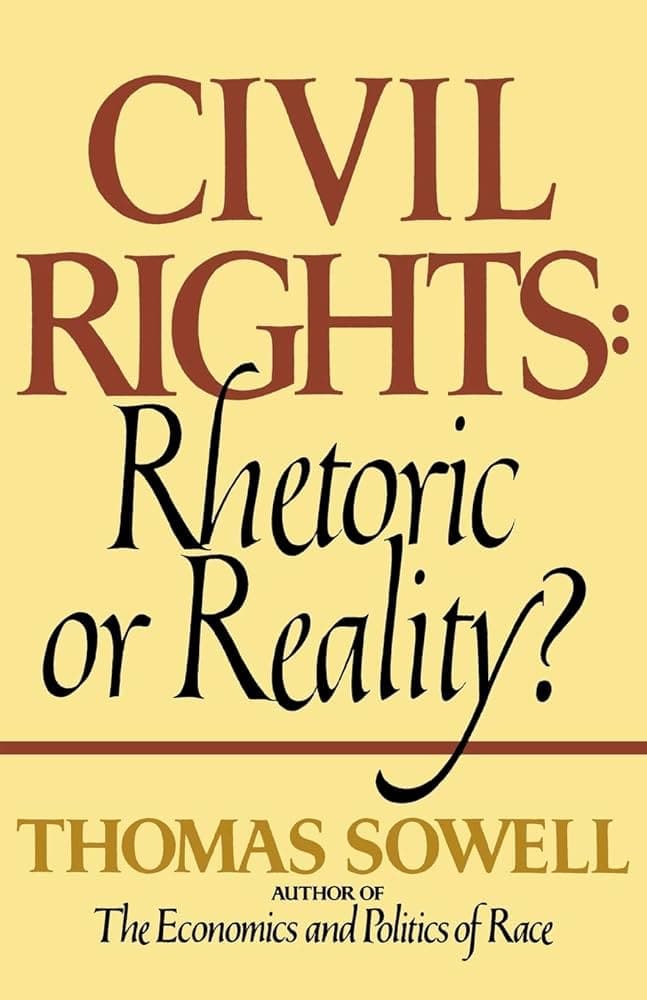
Prominent economist and social theorist Thomas Sowell recently voiced a sharp critique of contemporary civil rights activism, asserting that a "whole industry of civil rights activists, politicians and miscellaneous hustlers has every vested interest in promoting victimhood, resentment and paranoia instead." The statement, shared via social media, encapsulates Sowell's long-standing skepticism toward narratives that he argues foster a culture of grievance rather than genuine progress.
Sowell, a senior fellow at the Hoover Institution, has consistently challenged the concept of "systemic racism" and the idea that racial disparities are solely attributable to ongoing discrimination. His work emphasizes that various "morally neutral" factors, such as cultural differences, geography, and individual choices, contribute significantly to unequal outcomes across different groups. He contends that focusing exclusively on race as the cause of all disparities often overlooks these complex underlying factors.
In his extensive writings, including "Social Justice Fallacies," Sowell argues that the pursuit of equal outcomes can inadvertently undermine merit and individual responsibility. He suggests that some activists and political figures benefit from perpetuating a sense of victimhood, as it provides them with a platform and influence. This perspective posits that such an approach can hinder the advancement of minority communities by diverting attention from self-reliance and effective strategies for upward mobility.
Sowell's views often highlight what he perceives as a distinction between genuine efforts to combat discrimination and what he terms the "promotion of victimhood." He has previously argued that while racism undeniably existed historically, the contemporary emphasis on systemic racism can be counterproductive, potentially fostering division and discouraging solutions that do not fit a specific ideological framework. His commentary consistently advocates for a focus on individual agency and market-based solutions over government interventions or identity-based politics.