Trump's $30 Million Military Parade Marks Army's 250th Anniversary Amidst Public Debate
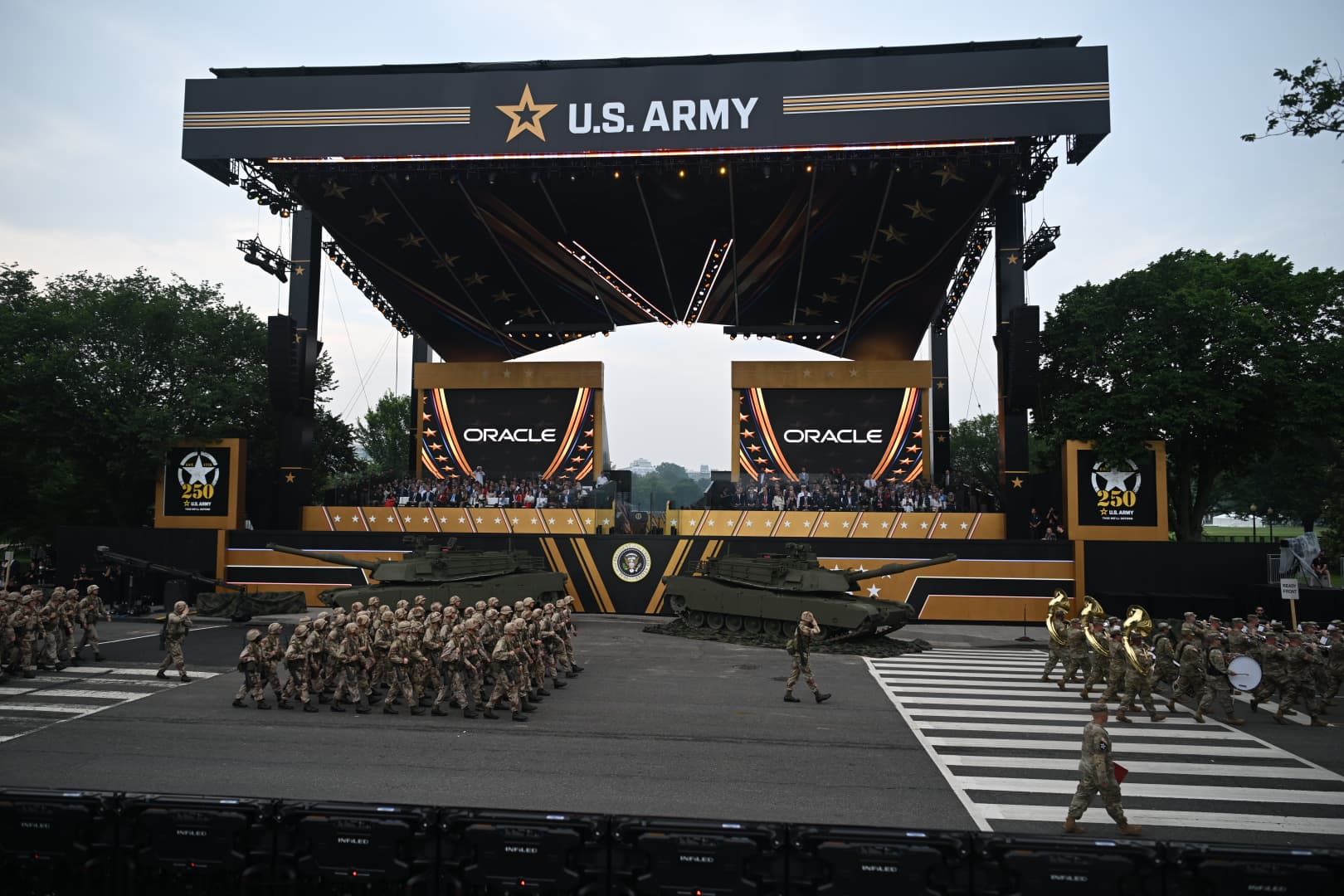
Washington D.C. – A grand military parade celebrating the U.S. Army's 250th anniversary, coinciding with President Donald Trump's 79th birthday, took place on June 14, 2025, in Washington D.C., drawing an estimated cost of $30 million. The event, which featured thousands of troops, military vehicles, and aircraft, generated significant public discussion regarding its expense and underlying motivations. The parade gained further attention through social media, with figures like Sunny Madra sharing content related to the event.
The U.S. Army confirmed the parade's cost at approximately $30 million, a figure that does not fully encompass all associated expenses, such as security and potential road repairs. President Trump, whose birthday fell on the same day as the Army's anniversary, had previously stated the cost was "peanuts compared to the value of doing it." This event marked the first large-scale military parade in Washington D.C. since 1991, when a similar celebration honored the victory in Operation Desert Storm.
The elaborate display included around 6,700 soldiers, showcasing both historical and modern uniforms, alongside a wide array of military hardware. Among the vehicles were M1A1 Abrams tanks, Bradley Fighting Vehicles, and various aircraft participating in flyovers. The route spanned Constitution Avenue, with an estimated 198,000 attendees passing through security checkpoints to witness the spectacle.
Critics, including Democratic lawmakers and various activist groups, voiced concerns over the substantial cost and the perceived politicization of the military. Thousands participated in "No Kings" protests across the country, with a significant demonstration in Philadelphia aimed at contrasting the "people-powered movement" with the D.C. parade. Despite the criticism, the Army reported an increase in website traffic and social media engagement following the event, suggesting a boost in public interest.
The parade concluded with a concert at the Ellipse and a fireworks display, capping off a day that underscored both military pride and ongoing national debates about resource allocation and presidential influence. The event's planning and execution reflected a long-held desire by President Trump for a large-scale military demonstration, an idea he first floated during his initial term.