UK Labour Faces Scrutiny Over "Easy Decisions" Amidst Economic Challenges and Tax Hikes
London, UK – The Labour government is facing sharp criticism for its recent economic policies, which some observers, including prominent commentator Peter McCormack, describe as "easy decisions" driven by a desire to secure votes rather than implement necessary structural reforms. This comes as Chancellor Rachel Reeves prepares for the 2025 autumn budget amidst persistent economic headwinds and a need to address public finance gaps.
In a recent social media post, Peter McCormack stated, "When government says 'we are making the tough decisions' do not believe them." He argued that Labour's actions this week "accepted decay over restoring the country," suggesting that genuine tough decisions would involve "scrapping large parts of government, reducing the welfare state, ending the triple lock, reducing red tape, and reducing taxes" to drive productivity. McCormack further accused the government of "hammering the hard working productive part of the economy" by moving "chess pieces around the board to walk a tightrope of holding onto votes."
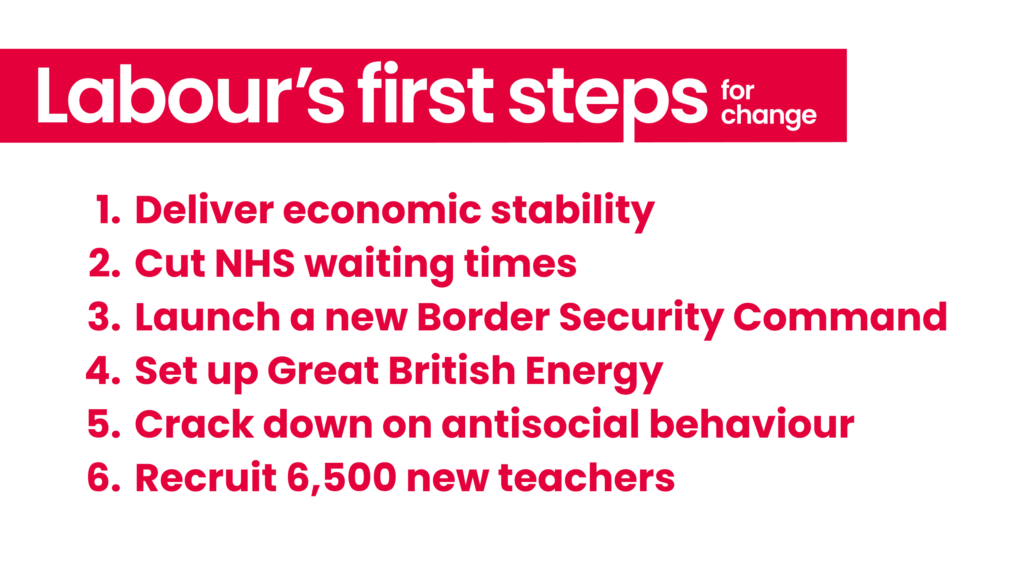
The government, led by Prime Minister Keir Starmer, has consistently emphasized its mission to "kickstart economic growth" through a framework of stability, investment, and reform. However, the 2024 autumn budget introduced significant tax increases, including a 1.2 percentage point rise in employer National Insurance Contributions (NICs) and higher capital gains tax rates, aiming to raise an additional £36.2 billion annually. These measures, while defended as necessary to fund public services and stabilize finances, have drawn criticism for potentially impacting businesses and working people.
Recent economic data underscores the challenges, with unemployment rising to 5.0% by September 2025 and productivity falling since 2022. Inflation, though down from its peak, stood at 4.1% in September 2025, remaining above the Bank of England's 2% target. The Institute for Fiscal Studies (IFS) highlighted the need for "fiscal consolidation" and suggested that the Chancellor would likely need to raise additional revenue at the upcoming budget to meet fiscal rules.
Despite earlier pledges not to increase income tax, VAT, or employee NICs, Chancellor Reeves indicated in September 2025 that global challenges had shifted the landscape, leading to speculation of further tax rises. The government had also scaled back initial welfare spending reforms in June 2025 following backbench pressure, a move that the Atlantic Council noted as a "self-inflicted policy misstep." Critics argue that such adjustments, while politically expedient, postpone more fundamental reforms needed to boost long-term economic health.